


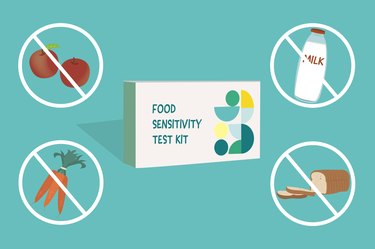


































































Food allergies occur when the body reacts negatively to an allergen you have eaten or come into direct contact with. According to the University of Maryland Medical Center (UMMC), 25 percent of American adults claim to have food allergies, though only 2 percent have been properly diagnosed. An understanding of food allergy symptoms can help you determine whether an allergy may be present and inspire you to seek proper testing.
Skin Reactions
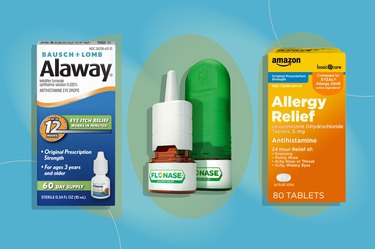
When an allergen is consumed, symptoms such as hives, swelling, itching, or eczema (itchy, flaky skin) may develop on the skin. According to UMMC, food allergy symptoms generally appear within 2 hours of ingesting an allergen and symptoms that affect the skin are common. Once you've been diagnosed with a food allergy, your doctor may recommend antihistamines and/or topical creams to help resolve symptoms of itching or rash. In addition, avoiding the allergy-culprit might be advised. If the specific allergen culprit isn't known, additional testing or dietary changes may be suggested.
Digestive Problems
Digestive problems such as abdominal cramping, gas, nausea, vomiting, indigestion and diarrhea are common food allergy symptoms. The University of Kansas Hospital explains that many children outgrow food allergies, but adults who have them are likely to have them for life. Digestive problems and other symptoms may occur once a trace amount of the allergen is consumed or not until you've ingested a larger amount, depending upon the severity of your allergy. In general, the sooner the symptoms of your allergy appear, the more severe they are likely to become. For this reason, seek medical help promptly if your symptoms appear quickly, worsen or are severe.
Anaphylactic Shock
Anaphylactic shock is a severe allergic reaction that presents itself in swelling of the throat, difficulty swallowing or breathing, increased pulse rate, dizziness, blue tone to skin or nails and/or loss of consciousness. According to UMMC, anaphylactic shock is rare, but serious, and requires immediate medical attention.
If you experience skin problems, digestive difficulties, breathing problems or other signs of anaphylactic shock, seek medical care promptly. Or if you experience mild or modest symptoms you believe indicates a food allergy, seek proper testing from your doctor or allergy specialist to prevent misunderstanding of your symptoms and to prevent recurrent, potentially more serious reactions in the future.


