
























































4 Ways to Manage Brittle Bone Disease

1. Physical Therapy Improves Mobility

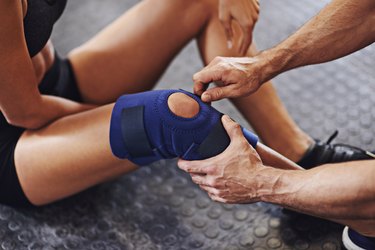
People who have a genetic condition called osteogenesis imperfecta, abbreviated as OI or called brittle bone disease, lack the collagen needed to build strong bones. As a result, people with OI can break bones while performing everyday tasks that people with normal bone structure would have no problem doing. Physical and occupational therapy can be an effective way to learn how to manage life with brittle bone disease. These types of therapies, including hydrotherapy, can teach you or your child ways to move with a minimum amount of pain. It is important to retain your mobility and shift position throughout the day to prevent a constant pressure from developing on some bones and not others. Splints and crutches and other physical aids can often allow people with OI function with a certain degree of independence.

2. Adapt Your Home

Once you have received a diagnosis of brittle bone disease, you may find you need to adapt your home to provide easier access. Home health care agencies in your area can educate you about the process and cost of widening doorways, installing chair lifts and ordering other adaptive equipment that is essential if someone in your household uses a wheelchair or walker. If you have a child with OI, her therapist can alert you to new technologies or equipment that may be used to encourage autonomy at home.

3. Strengthen Bones With Supplements

You may be able to recover some bone mass with supplements such as zoledronic acid, alendronic acid and pamedronate. Some of these medications, taken either by mouth or injection, are used to treat osteoporosis in post-menopausal women and show a reduction of fracture rates in people with brittle bone disease. A consultation with your physician and physical therapy team is in order before beginning one of these drug regimens as a management tool.

4. Treat Bone Deformity Through Surgery

A person who has experienced frequent bone fractures or deformities as a result of brittle bone disease may be a candidate for "rodding" surgery. By inserting a metal rod into the bone shaft, deformities can be corrected and the weak areas can be strengthened. Discuss the possibility of surgical correction with your doctor.

Last updated on: Nov 18, 2009

Must see: Photo Galleries