Barrett's esophagus is a condition that's often associated with chronic acid reflux. And while you can't cure the disease with food, following a Barrett's esophagus diet may help you relieve related symptoms.
Indeed, you can't heal Barrett's esophagus through your diet — currently, there's not much research to show that food plays a significant role in either causing or preventing the condition, according to the National Institute of Diabetes and Digestive and Kidney Diseases (NIDDK).
Video of the Day
Video of the Day
But because it's linked to acid reflux, you can change how, when and what you eat to limit the stomach acid that reaches your esophagus, which may help relieve symptoms associated with the condition.
To help, here's a list of the best foods to eat and avoid when building your Barrett's esophagus diet.
What Is Barrett's Esophagus?
Barrett's esophagus is a condition in which the lining of the esophagus (the tube connecting the mouth and stomach) changes to tissue that is similar to the lining of the intestine due to damaging exposure to stomach acid, says Gregory Ginsberg, MD, a professor of medicine at the Hospital of the University of Pennsylvania.
The exact cause of Barrett's esophagus is unknown. But having a chronic form of acid reflux called gastroesophageal reflux disease (GERD) — which is when your stomach acid washes up into your esophagus — can increase your chances of developing Barrett's, per the NIDDK.
Barrett's disease is difficult to diagnose because it doesn't cause symptoms, according to the NIDDK. Instead, people will often show symptoms of GERD, per the Mayo Clinic, including:
- Heartburn
- Chest pain
- Difficulty swallowing
- Regurgitation
- The feeling of a lump in your throat
People with the condition are at higher risk of developing a rare cancer of the esophagus called esophageal adenocarcinoma, according to the NIDDK. You can catch it by finding precancerous cells in Barrett's tissue, which your doctor can detect by taking a biopsy of your esophagus during a procedure called an endoscopy.
Unfortunately, though, Barrett's esophagus can't be cured with any medicine, according to Cedars Sinai.
But there are a number of common treatments for the condition, per Cedars Sinai. Here's how you typically keep your Barrett's esophagus from progressing:
- With medications called proton pump inhibitors, which reduce acid production in the stomach so there's less acid rising into the esophagus
- Surgery to remove the damaged part of your esophagus
For some people, Barrett's esophagus can heal, per Cedars Sinai, though it's typically a permanent condition.
Tip
If you have severe or frequent GERD symptoms or take heartburn medicine more than twice a week, visit your doctor to get treatment and check for Barrett's esophagus, per the Mayo Clinic.
Best Foods to Eat With Barrett’s Esophagus
While Barrett's can't be cured by diet, watching what you eat can help.
The key, according to Elena Ivanina, DO, a gastroenterologist at Lenox Hill Hospital in New York City, is to prevent acid reflux into the esophagus, because Barrett's esophagus is linked to exposure to acid in the esophagus.
Here's what you can eat with Barrett's esophagus to limit reflux:
1. Most Fruits and Vegetables
Dr. Ginsberg says it's important to eat foods that can help reduce inflammation.
Enter fruits and vegetables (especially leafy, dark green veggies): They're rich in vitamins and minerals that support your overall wellbeing and can have anti-inflammatory effects, according to a July 2012 article in Advances in Nutrition.
They're also full of fiber, Dr. Ginsberg says. Eating fibrous foods like fruits and veggies can support good digestion and help you feel full to avoid eating a lot at once, all of which may reduce your risk for heartburn from GERD, per Johns Hopkins Medicine.
What's more, eating a fiber-rich diet was linked to a lower risk for developing both Barrett's esophagus and esophageal cancer, according to an October 2015 review in Critical Reviews in Food Science and Nutrition.
However, the researchers noted that more studies are needed to further establish this connection.
Tip
Eating small, frequent meals rather than a few large meals can also help reduce reflux, according to the NIDDK.
2. Whole Grains
Whole grains are another staple to include in your Barrett's disease diet, Dr. Ginsberg says. They're likewise full of fiber, which can help reduce symptoms of acid reflux.
Whole grains to add to your meals include:
- Brown rice
- Bran
- Oatmeal
- Whole-wheat breads and pastas
3. Low-Acid Foods
Acidic foods can trigger reflux, according to the NIDDK. As a result, sticking to low-acid options can help you avoid the heartburn and other symptoms that may come with a GERD flare-up.
Per Johns Hopkins Medicine, low-acid foods include:
- Bananas
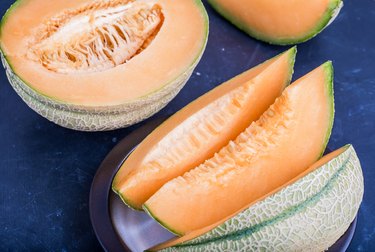
- Melons
- Cauliflower
- Fennel
- Nuts
4. Watery Foods
Eating foods that contain lots of water can dilute your stomach acid and potentially reduce symptoms of GERD, according to Johns Hopkins Medicine.
Watery foods to add to your Barrett's mucosa diet include:
- Celery
- Cucumber
- Lettuce
- Watermelon
- Broth-based soups
- Herbal tea
5. Lean Proteins
High-fat foods can trigger GERD symptoms, according to the NIDDK. To avoid reflux, opt for lean proteins like:
- Lean poultry like chicken and turkey
- Tofu
- Lentils
- Non-fat yogurt
Tip
Eating close to bedtime can worsen reflux because acid can rise while you're lying flat. It may help to sleep at an angle by putting bricks or blocks under the head of your bed to raise it, according to a February 2016 review in Clinical Gastroenterology and Hepatology.
Foods to Avoid With Barrett’s Esophagus
Although changing your diet doesn't guarantee that Barrett's esophagus won't become cancerous, avoiding certain foods can help reduce acid reflux, Dr. Ginsburg says.
If you have Barrett syndrome, foods to avoid include:
1. High-Fat, Processed Foods
Skipping fatty, processed foods can help ease symptoms of GERD associated with Barrett's esophagus, according to Johns Hopkins Medicine. These include:
- Fried food
- Fast food
- Pizza
- Potato chips and other processed snacks
- Fatty meats such as bacon and sausages
- Cheese
2. Acidic Foods
Next on the list of Barrett's disease foods to avoid is anything with high acid content. According to the Cleveland Clinic, this includes:
- Tomatoes and tomato products like sauce
- Citrus fruits like oranges and grapefruit
3. Spicy Foods
It's also best to steer clear of spicy foods if you're following a Barrett's esophagus diet, according to Johns Hopkins Medicine. That means skipping any spicy dishes and avoiding seasonings like chili powder and black, white and cayenne pepper.
4. Certain Beverages
Some drinks can also lead to reflux. According to Johns Hopkins Medicine, the following beverages can aggravate GERD:
- Coffee
- Alcohol
- Carbonated drinks
5. Other Trigger Foods
Chocolate and peppermint can also commonly cause reflux, per Johns Hopkins Medicine.
And this list is by no means exhaustive — different people have different trigger foods, so paying attention to your diet overall is a good idea to detect which snacks give you the most trouble, Dr. Ivanina says.
"It is important to avoid that personalized list of foods that cause reflux," she says.
Tip
Besides following the right diet for Barrett's esophagus, quitting smoking is another important way to prevent esophageal cancer, Dr. Ivanina says.
- National Institute of Diabetes and Digestive and Kidney Diseases: "Definition & Facts for Barrett's Esophagus"
- Mayo Clinic: "Gastroesophageal reflux disease (GERD)"
- Cedars Sinai: "Barrett's Esophagus"
- National Institute of Diabetes and Digestive and Kidney Diseases: "Symptoms & Causes of Barrett's Esophagus"
- National Institute of Diabetes and Digestive and Kidney Diseases: "Eating, Diet, & Nutrition for Barrett's Esophagus"
- Advances in Nutrition: "Health Benefits of Fruits and Vegetables"
- Critical Reviews in Food Science and Nutrition: "Dietary fiber intake reduces risk for Barrett's esophagus and esophageal cancer"
- Johns Hopkins Medicine: "GERD Diet: Foods That Help with Acid Reflux (Heartburn)"
- Cleveland Clinic: "GERD Diet: Foods That Help with Acid Reflux (Heartburn)"
- Clinical Gastroenterology and Hepatology: "Lifestyle intervention in gastroesophageal reflux disease"
Was this article helpful?
150 Characters Max
0/150
Thank you for sharing!
Thank you for your feedback!
Is this an emergency? If you are experiencing serious medical symptoms, please see the National Library of Medicine’s list of signs you need emergency medical attention or call 911.