


































































Menopause Mood Swings & Vitamin B6

Menopause Mood Swings & Vitamin B6
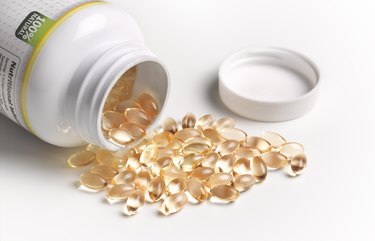
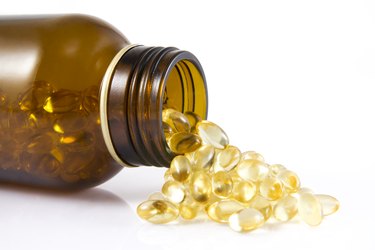
Photo Credit Vitamins and Supplements image by Scott Griessel from Fotolia.com

During menopause, mood swings are inevitable with estrogen fluctuations as the body ends its reproductive years. Vitamin B6 may be one answer to alleviating increased agitation, depression and anger. B vitamins are responsible for mood stabilization by controlling hormone production in the brain and regulating hormone levels. B6 declines as menopause sets in and mood swings become evident. Increasing this vitamin may give women the added boost they need to enjoy the golden years with a better mindset.

Symptoms

Upon entering menopause women may experience unexpected emotional changes. Emotions often change within a matter of minutes causing extreme sadness or anger with no real explanation. These mood swings, specifically depression, may be a result of high estrogen levels due to hormone replacement therapy or spikes in estrogen during perimenopause, Susan M. Lark, M.D., director of the PMS and Menopause Self-Help Center in Los Altos, California, told MotherNature.com. Since all women produce differing amounts of estrogen via the ovaries, mood swings affect each individual differently. Some women experience minor mood swings or none at all, while others may experience severe problems with mood.

Treatment

Vitamin B6 plays several roles in the body. It is essential for red blood cell development and keeping the immune system at peak performance. It is also needed to help keep hormone production, such as with serotonin, in the brain stabilized. When the body lacks B6, mood suffers as proper chemical production declines. During perimenopause, stress and depression cause the body to lose this needed vitamin. This can make a woman in her menopausal state feel exhausted and irritable, according to Lark. Another factor in the decline of B6 in the body can be attributed to the rise of estrogen during perimenopausal spikes or hormone replacement therapies. This goes hand in hand with the aforementioned estrogen increase causing depression.

Sources

Taking vitamin supplements and eating foods rich in B6 such as salmon, chicken, potatoes, spinach and brown rice can increase levels of B6 and help stabilize mood during menopause. Since B6 is a water-soluble vitamin, it is highly unlikely that you can ever consume toxic levels, therefore B6 supplements and introduction through diet is completely safe, according to Ben Kim, M.D. Although B6 is safe, following dietary guidelines is still important in your treatment. Dietary allowances posted by the Food and Drug Administration suggest daily intake of 1.5 mg of B6 for women aged 51 and older. Adding B6 foods and supplements to your daily diet may help ease menopausal discomfort.

Support

When supplementing your diet with vitamin pills, Lark suggests taking a B complex vitamin supplement. Once B6 becomes deficient in the body, so do other B vitamins and key minerals. Taking a B vitamin supplement containing thiamin and niacin will help restore these key minerals and vitamins for optimal menopausal support. Lark recommends a 30 mg B complex supplement once daily to restore essential function. It may take a couple of weeks before the effects of supplementation become apparent. However once they do, mood swings and other symptoms will drastically decrease. Supplementation is to be supported by diet as well by eating plenty of fresh fruits and vegetables, lowfat dairy, whole grains and lean meats. These food groups all contain extra B vitamins.

HRT

Hormone replacement therapy helps lessen menopausal symptoms through prescription or natural means. Some women prefer a holistic approach to restoring estrogen while others take prescribed synthetic estrogen replacement pills. No matter what your preference, taking B6 and other B vitamins is safe when using HRT. Speak with your physician before starting any supplement. Keeping your doctor informed will help manage treatment effectively. B vitamins such as B6 may actually help HRT by assisting absorption through the bloodstream.

References

Article reviewed by Jeannette Belliveau Last updated on: Mar 23, 2010

Must see: Photo Galleries