
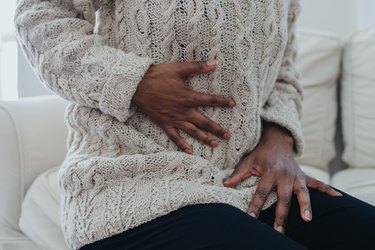























































Pain influences every area of our lives, and is a frequent occurrence. According to the National Center for Complementary and Alternative Medicine (NCCAM), more than one quarter of Americans had recently had pain that lasted for longer than a day. Although pain medications are available and sometimes necessary, the long-term consequences and adverse side effects of these makes avoiding them an appealing option. Natural alternatives to this medication are often called non-pharmacological pain management options and work to help address pain without the use of medication.
Breathing
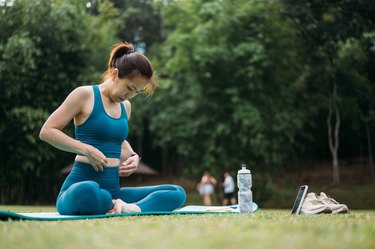
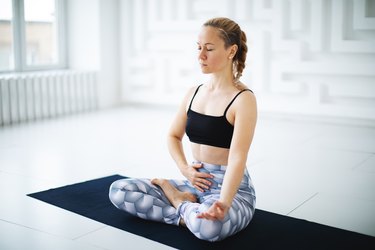
Therapeutic breathing can help manage pain. Sit in a chair or lie comfortably, close your eyes and take five slow, deep breaths breathing in through your nose and out through your mouth. Rest a few moments then repeat. Lay your hand on your stomach to feel it rise and fall to make sure you are breathing with your diaphragm.
Meditation
The American Pain Foundation (APF) encourages meditation especially when the pain is accompanied by fear and anxiety. Take a moment to sit comfortably, close your eyes and focus your mind on simple breathing or a pleasant mental picture such as your favorite flowers, a scenic location or your favorite color. When your mind wanders, draw it back to the mental focus you have chosen and imagine everything else slipping away. Meditation techniques take time and practice to learn, but can be highly effective in dealing with pain.
Heat and Cold Therapy
For localized pain, heat or cold applied to the source can be helpful. Use a heating pad or ice pack, or a shower or bath when appropriate. Your health care provider may recommend a specific temperature, or may prescribe alternating hot and cold applications.
Music
APF emphasizes the usefulness of music for pain management, citing a study where 200 patients with pain were involved in music therapy and experienced reduced pain levels. Sing or clap along with your favorite music, listen to music, writing new lyrics or playing an instrument are all examples of participating in music therapy.
Acupuncture
Acupuncture can help relieve pain and is most commonly used to address back or other musculoskeletal pain, according to NCCAM. While the scientific action of acupuncture is still uncertain, the NCCAM states that it has shown itself to be an effective means of relieving pain. Acupuncture originated from ancient Chinese medicine traditions and specialists can provide treatments.
Massage Therapy
Massage helps relax the body and reduce painful muscle spasms. The APF states that because pain activates the sympathetic nervous system's response of "fight or flight" and because pain creates a feeling of apprehension, individuals often add to their pain through muscle tension. Massages can help resolve muscular tension, improve circulation and promote a feeling of well-being.
Herbal Remedies
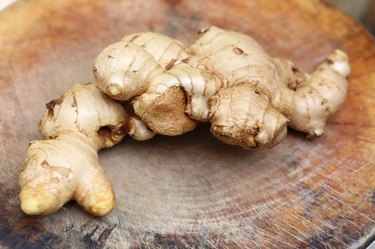
Herbs tend to work in a more gradual, long-term capacity in relieving pain and can be helpful additions to other natural pain relief remedies. APF summarizes commonly used herbs and advises people using them to be sure and inform their health care provider. Feverfew has a helpful effect on arthritis and migraine headaches. Ginger helps reduce nausea and deals with arthritis as well as other inflammatory conditions. Kava kava and St. John's Wort can help with neuropathic pain. Valerian Root can be used for muscle cramps, as well as topical Tiger Balm. The effects of these and other herbal remedies on pain are currently being studied and developed.


