


































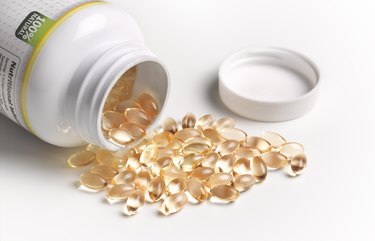

































Hypericum perforatum, more commonly called St. John's wort, is an herbal remedy mainly used to relieve depression, anxiety and sleep disorders. Herbalists produce extracts, tinctures, teas, capsules and tablets from the flowering tops of this plant. Research for its effectiveness is conflicting, according to the National Center for Complementary and Alternative Medicine (NCCAM). Many side effects are possible, some serious.
Minor Side Effects
St. John's wort is associated with several relatively minor side effects. Some users experience gastrointestinal symptoms, including nausea and diarrhea or constipation. Others have reported dry mouth, dizziness, fatigue, headache and weight gain. St. John's wort may cause increased sensitivity to sunlight, so anyone taking this herb should wear sunscreen when outdoors.
Insomnia
Although some people take St. John's wort to help with sleep problems, some users have reported insomnia as a side effect. It can be difficult to determine whether this is a side effect of the herb, as noted by eMedTV, because insomnia also is a symptom of depression. Insomnia has different forms--including having trouble falling asleep, waking up during the night and not being able to get back to sleep, and waking too early. Taking St. John's wort earlier in the day can help.
Cardiovascular Effects
St. John's wort also has been associated with rapid heart rate (tachycardia) and pounding heartbeat (palpitations). Another possible side effect is dangerously high blood pressure, according to Health Services at Columbia.
Psychological Effects
Like other antidepressants, St. John's wort usage can lead to manic episodes in people with bipolar disorder, as explained by eMedTV. St. John's wort also may worsen symptoms of attention deficit hyperactivity disorder (ADHD), schizophrenia and dementia, and may result in psychotic symptoms in patients with Alzheimer's disease. St. John's wort usage has been linked to anxiety, panic attacks, agitation, restlessness, hostility, aggressive behavior, unusual activity, mood swings, vivid dreams and hallucinations.
Sex, Fertility and Pregnancy Problems
People taking St. John's wort may develop sexual dysfunction, such as a decreased sex drive or erectile dysfunction. The herb may reduce fertility in men and women, so anyone trying to conceive may want to avoid taking St. John's wort. Pregnant women also should not take it. Research with animals indicates that St. John's wort increases uterine muscle tone, according to Health Services at Columbia, and this may increase the risk of premature labor.
Allergic Reaction
As with any herbal remedy, St. John's wort can cause an allergic reaction in some people, as noted by Drugs.com. Signs include a rash or hives, itching, wheezing or problems breathing, tightness in the chest, and facial or mouth swelling. An allergic reaction to St. John's wort calls for immediate medical attention.


Member Comments