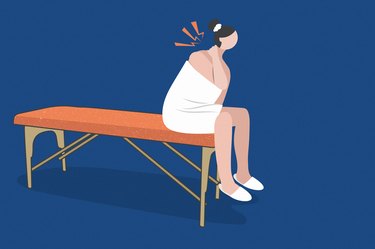



































































Joint pain can occur from traumatic stress but is more often associated with chronic medical conditions, such as bone disease, osteoarthritis or repetitive motion disorders. If a muscle strain has caused pain in a joint area, such as the wrist or knee, short-term care should provide pain relief and promote healing. If a chronic disease is the source of the pain, you can take steps to reduce flare-ups for longer-term pain management. Several home remedies are available to help you treat your joint pain.
Topical Treatments
The American Pain Society suggests a hot/cold regimen with a therapeutic gel pack for immediate pain relief of joint discomfort caused by bone disease. Keep two packs: one to heat in the microwave and one to keep in the refrigerator. Even people who dislike the sensation of ice can tolerate a chilled, not frozen, ice pack. Heat the damaged joint area for at least 20 minutes; then chill it for 20 minutes or less. If you suffer a severe strain, use only ice.
Joint pain from local muscle tension or vertebral subluxations (misalignment of spinal bones) may respond to capsaicin therapy. This natural red pepper substance can alleviate pain through topical treatments with a cream or a patch, reports the Maryland Spine Center.
Oral Treatments
Doctors at the Maryland Spine Center also endorse the effectiveness of nonsteroidal anti-inflammatory drugs (NSAIDs) and aspirin to relieve swelling and muscle, bone and joint pain. Proper administration can reduce or eliminate discomfort. Follow package directions regarding dosage and, particularly, dose timing for continuous relief. Note that you shouldn't take NSAIDs for more than a 10-day stretch.
For longer-term action on sensitive or painful joints, spine center doctors note that glucosamine and chondroitin supplements help some people, but not all, when taken daily as directed. These supplements can also be used as a preventive measure against joint and bone disease.
Exercises
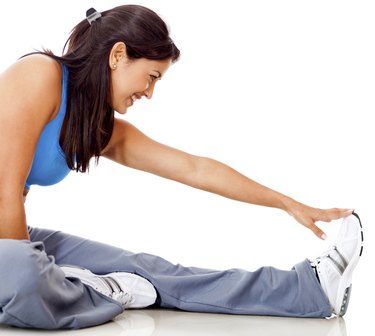
Muscle tension elsewhere in the body also can cause joint pain. Muscle stiffness in the legs may place stress on a knee or hip joint. For this reason, the American Chiropractic Association recommends an exercise program that stretches your back, leg and buttock muscles.
These might include a hamstring stretch for legs and a "push-up" style back stretch performed with a hollow, not straight, back. You may add upper-body stretches if necessary. Exercise makes the affected muscles stronger and more resilient, reducing the risk of inflammation and the need for more stringent pain relief.
Weight Loss
If you are overweight, weight loss can provide very effective and even permanent pain relief. Especially if you have a bone disease, such as osteoporosis, placing too much stress on your joints increases the rate and severity of degeneration. Losing weight can also help you avoid, or have a better outcome from, joint-replacement surgery.


