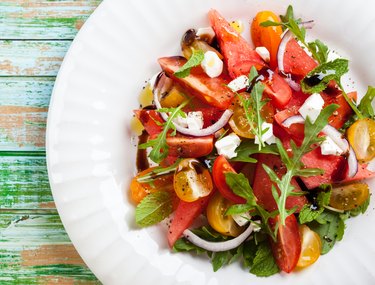

Listen to Your Heart highlights the simple nutrition, fitness and lifestyle changes you can make for a healthy heart at any age.
There's nothing to love about an unhealthy heart, yet almost half of U.S. adults have some sort of cardiovascular disease, according to a January 2019 report published in Circulation. The good news is, there are actions you can take to help your heart, from exercising and maintaining a healthy weight to limiting alcohol intake and, yes, even choosing heart-healthy foods.
Keep your ticker in tip-top shape with foods that are tasty, healthy and convenient. Here, find out which foods are best for your heart.
Video of the Day
Video of the Day
Heart-Healthy Fruits and Vegetables
1. Watermelon
Satisfy your sweet tooth and show your heart some love by chomping down on a slice of watermelon. The fruit contains citrulline, an amino acid that helps maintain good blood flow within the heart, according to a September 2016 study in Nitric Oxide.
"Citrulline may improve the health of our blood vessels and may even have benefits for people with erectile dysfunction and diabetes," Sarah Samaan, MD, a cardiologist with Baylor Scott & White Legacy Heart Center in Plano, Texas, tells LIVESTRONG.com. (Both of these conditions involve blood flow issues.)
Watermelon also provides lycopene, a carotenoid that helps fight heart disease, according to Harvard Health Publishing.
Try It in a Salad
Get the recipe for a crisp and delicious Watermelon and Cucumber Salad With Feta and Mint.
2. Tomatoes
Tomatoes, like watermelon, are rich in lycopene, which helps reduce the risk of stroke, per Harvard Health Publishing.
"Try making your own tomato sauce with canned or fresh tomatoes, and add oregano and chopped-up veggies for a gourmet, homemade pasta sauce with mega-antioxidant power," recommends New York City-based nutritionist Keri Glassman, RD, CDN.
Tomatoes also contain a solid dose of the heart-healthy antioxidant vitamin C, which works as an antioxidant, protecting your cells from damage, Glassman says.
3. Berries
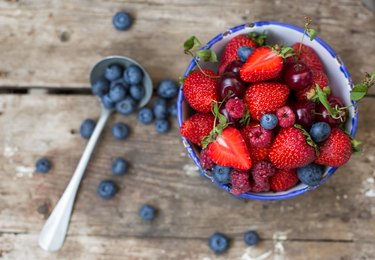
Berries get their beautiful deep colors from antioxidants, which make them a great snack for your heart and overall health. In fact, in a June 2013 study published in Circulation, Harvard researchers found that a consistent intake of anthocyanins (a type of antioxidant found in berries) reduces the risk of having a heart attack by 32 percent in young women.
A March 2016 study in Scientific Reports adds to these findings — researchers of the meta-analysis found a link between berry consumption and lower blood pressure and LDL-cholesterol levels.
4. Collard Greens
Collard greens and other leafy greens pack a hefty nutritional punch, especially when it comes to your heart health. Dark leafy greens are full of folate, which helps break down homocysteine, an amino acid that, in excess, increases your risk for coronary heart disease, peripheral heart disease and stroke, according to the American Heart Association.
Collard greens and other leafy greens are also low in calories and contain the antioxidants vitamins A and C.
Heart-Healthy Grains
1. Quinoa
This Peruvian wonder pseudo-grain (it's actually a seed) is an incredible nutritional multitasker, according to Dr. Samaan. "It's a fabulous source of vegetable protein," she says.
A cup of cooked quinoa has 8 grams of protein, 5 grams of fiber and almost no saturated fat, per the USDA. Because it's low in saturated fat, quinoa is a heart-healthy source of protein compared to other proteins like red meat. Indeed, a high intake of red and processed meats is associated with a higher risk of heart disease, according to Harvard Health Publishing.
The fiber in quinoa also aids in lowering cholesterol levels, per the Mayo Clinic.
Eat More Quinoa at Every Meal
Check out seven nutritious quinoa recipes that span breakfast, lunch, dinner and dessert.
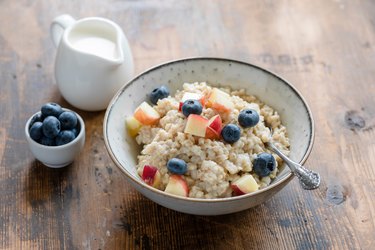
2. Oatmeal
Whole grains like oatmeal will keep your heart healthy and help maintain your weight, a necessary heart-healthy action considering that obesity is a risk factor for heart disease and heart-related complications.
Start your day off with a bowl of oatmeal, suggests Texas-based dietitian Bridget Swinney, RD. "At least half the grains in your diet should be whole grains, but the more the better," she adds.
Oatmeal is unique in that it contains a specific type of fiber called beta-glucan, which helps lower LDL (bad) cholesterol levels by attaching to fats in the intestines and removing cholesterol from the body, according to a January 2018 review in the International Journal of Molecular Medicine.
"Whole grains are more filling, they help you eat less and thus they help with weight control. They have also been shown to decrease the risk of heart disease and stroke," Swinney adds.
Read more: 12 Easy, Savory Oatmeal Recipes for Any Time of Day
Heart-Healthy Proteins
1. Peas
Sneak peas into a bowl of pasta or a salad, or eat them alone as a heart-healthy side dish. "Peas are loaded with fiber, and they provide a sweet burst of flavor and add bright colors to any dish," Glassman says.
Peas can also help with weight management, a key ingredient to heart health. One cup of peas has just 125 calories but an abundance of nutrients, including 7 grams of fiber and 8 grams of protein, per the USDA.
"Try frozen peas, which are flash-frozen at the peak of ripeness, and steam them for a bright addition to salad or even omelets," Glassman recommends.
2. Salmon
When you serve salmon as your main entrée, you'll keep your blood pumping and your heart in prime shape. In fact, a February 2020 study published in the Journal of the American Medical Association found an increased risk of heart disease associated with consuming red meat and poultry (although just a slight increase), but not with fish.
Fatty fish like salmon contain omega-3 fatty acids, which, according to the Mayo Clinic, helps your heart by lowering triglycerides and blood pressure (though slightly) and reducing blood clotting and irregular heartbeats.
Serve your salmon with a side of collard greens and you have a scrumptious, heart-friendly meal.
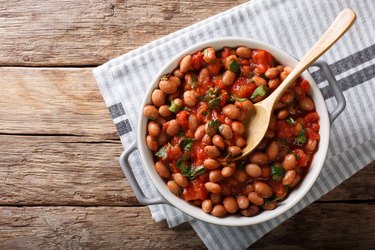
3. Beans
Beans and their close cousins lentils, both pulses in the legume family, have remarkable health benefits. A June 2014 study published in Applied Physiology, Nutrition, and Metabolism found that, thanks in part to the tannins, phytochemicals and saponins found in pulses, this group of plant-based proteins is linked to heart health as well as a reduction in overall inflammation.
Beans are also a good source of fiber — a half-cup of canned black beans, for example, has 8 grams, per the USDA, which helps to lower harmful LDL cholesterol levels.
Heart-Healthy Fats
1. Walnuts
As a convenient snack or on top of a salad, walnuts boost your heart function with healthy omega-3 fats and antioxidants.
An April 2014 paper published in the Journal of Nutrition explains that decades of research shows walnuts help reduce LDL cholesterol levels (by 9 to 16 percent) as well as diastolic blood pressure.
Another Journal of Nutrition study published in January 2020 revealed that walnuts may also indirectly help the heart via the gut: Researchers found that eating walnuts daily boosts good bacteria in the GI tract, which in turn has a positive affect on heart health.
Read more: 5 Omega-3 Packed Recipes That Aren't Fish
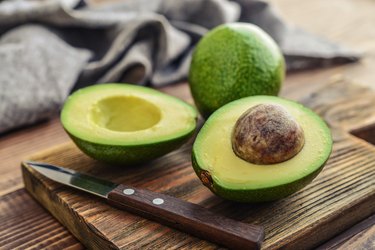
2. Avocados
Avocados are full of healthy monounsaturated fats and are a source of potassium, a mineral also known for controlling blood pressure, Swinney says. "They are also a great source of vitamin C, fiber and carotenoids," she adds. "Carotenoids have been associated with a decreased risk of death from cardiovascular disease."
In addition to offering a beneficial dose of fiber, avocados have been shown to help the body absorb other antioxidants (namely, fat-soluble vitamins A and E).
Add Avocado to Dessert
Try this delicious recipe for Avocado Chocolate Mousse, which combines the fruit's rich texture with the decadent taste of cacao.
3. Almonds
Almonds are another smart option to maintain a healthy heart. A November 2019 meta-analysis, published in Advances in Nutrition looked at 15 different randomized controlled trials involving almond consumption. The researchers found that eating about 1.5 ounces of almond per day (approximately 35 almonds) significantly lowered total cholesterol, LDL cholesterol and body weight.
Almonds are unique because they're the only nut with a significant amount of vitamin E, a heart-healthy nutrient and antioxidant, per the American Society of Nutrition.
- Circulation: "Heart Disease and Stroke Statistics—2019 Update: A Report From the American Heart Association"
- Nitric Oxide: "Two Weeks of Watermelon Juice Supplementation Improves Nitric Oxide Bioavailability but not Endurance Exercise Performance in Humans"
- Harvard Health Publishing: "Lycopene-rich Tomatoes Linked to Lower Stroke Risk"
- Circulation: "A High Anthocyanin Intake is Associated with a Reduced Risk of Myocardial Infarction in Young and Middle-Aged Women"
- Scientific Reports: "Effects of Berries Consumption on Cardiovascular Risk Factors: A Meta-analysis with Trial Sequential Analysis of Randomized Controlled Trials"
- American Heart Association: "Folic Acid and Cardiovascular Disease"
- Harvard Health: "What's the Beef With Red Meat?"
- Mayo Clinic: "Cholesterol: Top Foods to Improve Your Numbers"
- USDA FoodData Central: "Peas, Green, Cooked, From Frozen, Fat Not Added in Cooking"
- Journal of the American Medical Association: "Associations of Processed Meat, Unprocessed Red Meat, Poultry, or Fish Intake With Incident Cardiovascular Disease and All-Cause Mortality"
- Mayo Clinic: "Omega-3 in Fish: How Eating Fish Helps Your Heart"
- Applied Physiology, Nutrition, and Metabolism: "Nutritional and Health Benefits of Pulses"
- USDA FoodData Central: "Beans, Black, Mature Seeds, Canned, Low Sodium"
- Journal of Nutrition: "Walnuts Decrease Risk of Cardiovascular Disease: A Summary of Efficacy and Biologic Mechanisms"
- Journal of Nutrition: "Walnuts and Vegetable Oils Containing Oleic Acid Differentially Affect the Gut Microbiota and Associations with Cardiovascular Risk Factors: Follow-up of a Randomized, Controlled, Feeding Trial in Adults at Risk for Cardiovascular Disease"
- USDA FoodData Central: "Avocado, Raw"
- Advances in Nutrition: "Almond Consumption and Risk Factors for Cardiovascular Disease: A Systematic Review and Meta-analysis of Randomized Controlled Trials"
- American Society of Nutrition: "Do Almonds Lower Your Risk for Cardiovascular Disease?"
- USDA FoodData Central: "Quinoa, cooked"
- International Journal of Molecular Medicine: "Beta-Glucans and Cholesterol"
Is this an emergency? If you are experiencing serious medical symptoms, please see the National Library of Medicine’s list of signs you need emergency medical attention or call 911.