











































Whole Grains

Digestive Benefits of Corn Flour

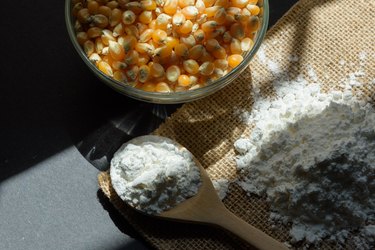
Those golden-yellow ears of corn have many uses, including being milled down to a white or yellow flour that can be used for breading or in baked goods recipes. Besides being a tasty addition to recipes and containing nutrients, such as vitamin A, magnesium and iron, cooking with corn flour can offer benefits to your digestive system. This includes being a good choice for those with celiac disease who cannot digest gluten.

All About Whole Grains

How to Use Sprouted Grain Flour

Learn how to use sprouted grain flour to enjoy a source of whole grain that tends to be sweeter than other whole-grain flours. Sprouted flour comes from grains that have germinated. Manufacturers dry sprouted grain and mill it ...

How to Buy Whole Grain for Bread Making

You can choose whether to mill your own grain or purchase grains ready-to-use. You can decide between brad types -- light, fluffy, dark, heavy, nutty or chewy -- and high protein or high fiber. How often you plan to bake bread...

How to Replace Breakfast With Fruit Grain & Wheat

Some breakfast staples like pancakes and eggs can be prepared healthfully, but it’s also easy to load these dishes with fat and too many calories, particularly when you’re eating out or snacking on prepackaged dishe...

How to Make Whole-Grain Pasta Less Grainy

Since the end of the 20th century there has been a notable increase in the variety and quality of whole-grain pastas available at supermarkets and specialty suppliers. Both whole-wheat and mutigrain products are available in a ...

The Best Ways to Cook Whole Grains

Whole grains are grain kernels and grain products in which the bran, germ and endosperm are all intact. The 2010 Dietary Guidelines for Americans recommends that at least half of your intake of grains be whole grains. According...

Is Fiber More Important Than Whole Grain?

Fiber is a vital component of any diet and may be found in a variety of food products such as fruits, vegetables and whole grains. Although not physically digested, it provides healthful foundations that allow for weight mainte...

How to Calculate Whole Grain Percentage in Bread

A 2004 study reported in the "American Journal of Clinical Nutrition” confirmed that people whose diets are high in whole grains face a 20 to 30 percent lower risk of coronary heart disease. More than 95 percent of A...

Can You Have Whole Grain Bread on a Ketogenic Diet?

If you restrict your carb intake, your body will start burning more fat as a source of energy. To be in ketosis, most carbohydrate-rich foods such as grains need to be avoided for most people. Consult your doctor before embarki...

Allergic Reactions to Whole Grains

Whole grains are a recommended food for a well-balanced diet, but if you develop an allergic reaction from eating certain grains, you may need to eliminate them from your diet. Whole grains refer to consuming a grain in its nat...

The Disadvantages of Refining Whole Grain

Department of Agriculture. These products may be either whole-grain or refined. Refined grain is whole grain that has been subjected to a milling process to achieve a finer texture and a longer shelf life. Refinement of grain r...

How to Cook Whole Grain Spaghetti Noodles

If you love spaghetti but you would like a more healthy option that is higher in fiber, choose a whole grain spaghetti instead of the traditional spaghetti made with semolina flour. Whole grain spaghetti has almost three times ...

Does the Candida Diet Allow Whole Grain Bread?

To get rid of this excessive yeast, the candida diet eliminates most carbohydrates, such as sugar, starchy vegetables, grains and fruits, as well as dietary sources of yeast, such as fermented cheeses, fermented vegetables and ...

Oats and Whole Grain Make Me Bloated and Gassy

Oats and whole grains are good sources of fiber, which is essential for heart and digestive health and aids in weight loss. However, sometimes eating oats and whole grains can make you feel bloated; it's as if your stomach is h...

Whole Grains With Magnesium & Selenium

Individuals who eat more whole grains as opposed to refined grains tend to have lower body weights and a lower risk for developing heart disease and Type 2 diabetes, according to the Linus Pauling Institute Micronutrient Inform...

Refined Carbohydrates vs. Whole Grains

Department of Agriculture Pyramid, the revised MyPyramid and 2011's MyPlate. The focus on grains as a healthy food choice is for good reason. Grains are an excellent source of dietary fiber, complex carbohydrates and B-vitamins...

Is Eating Whole Grain Bread Bad for Eczema?

Particular foods may also contribute. Although no known cure exists, medications and lifestyle changes, including avoiding your personal triggers, can help minimize your symptoms. Whole grain breads are nutritious, but not suit...

How Much Wheat Should Be in Your Emergency Food Supply?

Carbohydrates provide your body with the fuel it needs for activity. Healthy carbohydrate sources such as whole grains provide fiber, vitamins and minerals. Since wheat is a healthy carbohydrate and easily stored, emergency man...

How to Lose Weight With Whole-Grain Pasta

Whole-grain pasta isn't a particularly low-calorie food. That doesn't mean it can't be a healthy part of your weight-loss efforts. Pastas made from whole grains provide complex carbohydrates, insoluble fiber and other nutrients...

How to Ferment Whole Grains

While eating whole grains is a healthier choice than eating processed grains, fermenting or soaking whole grains before cooking with them may make them an even better option. According to nutrition expert Sally Fallon, author o...

How to Add Whole Grain to Smoothies

The rules for making smoothies aren't hard and fast, notes nutritionist Daniella Chace in "More Smoothies for Life." Protein sources such as peanut butter, nonfat dry milk and yogurt can add texture and build muscles. You can c...

Is Oatmeal a Whole Grain?

Low in fat and abundant in vitamins and minerals, grains are an essential part of a healthy diet. The most beneficial grains are the whole grains, which should make up at least half of the grains you eat, recommends the 2010 Di...

Does Whole-Grain Bread Raise Blood Sugar?

Whole-grain bread is made from grain that contains all three of its natural components: the germ, the bran and the endosperm. It differs from bread made with refined grains, which have only the starch-laden endosperm. Whole-gra...

FDA & the Enrichment of Whole Grains With Folic Acid

When specific nutrients are lacking from the average diet, it can be a public health issue. Fortifying widely consumed foods, such as grains, is one way to boost the intake of most people and help prevent the negative ramificat...

How Much Whole Grain Should You Eat a Day?

They are a rich source of carbohydrates and are classified as either refined grains or whole grains. Whole grains are a healthier and more nutritious carbohydrate, because unlike refined grains, they have not undergone extensiv

Recommended Whole Grain Intake

While the amount of whole grains you need varies depending on your carbohydrate needs, the U.S. Department of Agriculture recommends that at least half of your grain intake come from whole grains. Whole grains are better for yo...

Iron Levels in Whole Grains

Iron, an essential mineral in your diet, helps carry oxygen from your lungs to various cells throughout your body. A variety of foods, including whole grains, contain iron. Whole grains are more nutrient-dense than refined grai...

The Fiber in Whole Grain Bread

Whole grain bread is also high in dietary fiber, which promotes several health benefits. According to the USDA Choose My Plate program, most of your meals should include food from the grains category, which contains a variety o...

What Is More Nutritious, Multigrain or Whole Grain?

Choosing between a multigrain and a whole grain can be confusing, especially if you want to pick the healthier option. Eating a balanced diet provides you with all the essential nutrients you need daily and can help reduce your...

Are Whole-Grain Pasta & White Pasta Fattening?

But if you eat too much or add some sauces to your pasta, you might wind up taking in too many calories and gaining weight. The 2010 Dietary Guidelines for Americans encourages making at least half of your grains whole grains, ...

What Are the Advantages of Whole-Grain Sprouted Bread?

Find sprouted-grain breads in health food stores and the freezer section of some major supermarkets. Sprouted-grain bread manufacturers claim their products are easier to digest and provide more nutrients than breads made with ...

5 Strategies for Getting Whole Grains in Your Diet

Whole grains have the power to help you lose or maintain weight, lower your cholesterol levels and reduce the risks of heart disease and diabetes, according to the U.S. Department of Agriculture's nutrition site, ChooseMyPlate....

The Definitions of White & Whole Wheat

White bread is the most simple, all-present food in this country. It is sweet, refined and utterly devoid of the nutrients that grains are supposed to possess. Whole wheat bread maintains the outer husk of the seed from the whe...

How to Calculate Starches in Foods

Most of the carbohydrates you consume on a daily basis come from starchy foods, such as bread, potatoes, pasta, rice and breakfast cereals, or sugary foods, such as soft drinks, sweets and desserts. When looking at food labels,...

Is Vitamin D Found in Whole Grain?

Because vitamin D can be difficult to get in your daily diet, food manufacturers have begun to incorporate the vitamin into more commonly eaten foods, including whole-grain food sources.

Diabetics, Whole Grains & Digestion

The food you eat plays a large role in your overall health. If you have diabetes, you need to pay attention to what you eat not only to maintain good health, but also to manage your condition. Whole grains can play a role in he...

Micronutrients & Macronutrients in Grains

Grains are seeds of various grass plants. Examples include wheat, rice, corn, rye, barley, quinoa and oats. The U.S. Department of Agriculture recommends that whole grains should make up at least half of your daily consumption ...

Whole Wheat Grain & Prostate Cancer

Although some types of prostate cancer grow rapidly, other types grow slowly and respond well to lifestyle changes, such as dietary modifications that include adding whole-wheat products to your menu. Talk to your doctor before...

What Does the Word "Whole Grain" Mean?

You've probably heard that you should eat more whole grains, but when you are browsing the bread aisle, it can be tough to figure out what that actually means and which products are the healthiest. Pasta, crackers, cereals and...

Whole-Grain Bread & Kidney Failure

When you experience kidney failure, however, these organs are no longer able to remove these minerals as effectively. Depending upon the stage of kidney failure, your physician may recommend dietary changes, which may include r...

Whole Grain Bread & Gout

Although it is particularly common among men over age 40 with a family history of gout, according to the University of Maryland Medical Center, it also affects women. In addition to medical treatment, when necessary, healthy di...

Indigestion From Whole Grain

Although several causes can spur indigestion, high-fiber foods, such as whole grains, are notorious for bringing it on or exacerbating existing symptoms.

How Are Grains Good for Your Body?

Although some believe carbohydrates are detrimental for dieting, carbohydrate-rich foods, such as grains, are beneficial for a variety of health goals. Grains come in a variety of forms -- bread, rice and pasta, for example -- ...

Can You Eat Whole Grain Cereal at Night?

But nighttime eating isn't always bad, and a sensible nighttime snack can even be benefit your health and improve the quality of your sleep. Eating a healthy and sensible snack -- such as whole grain cereal -- can actually help...

How to Bake With Whole Grain

Seeds that include bran, germ and endosperm layers are called whole grains. Whole grains are sold as grains, meals and flours such as brown rice, kamut, quinoa, barley, bulgur, oatmeal, whole-wheat flour, cornmeal, rye flour an...

Whole-Grain Wheat, Purine & Gout

Gout is a form of arthritis, or inflammation of your joints. It occurs when uric acid levels in your body are too high. The extra uric acid causes uric acid crystals to form in the body, which causes you to experience inflammat...

Comparison of Whole Grain White to Whole Grain Wheat Bread

Over the years, white bread has maintained its popularity, despite the fact that whole grains are very healthy for you. Based on the fact that whole grains provide more nutrients per calorie and following ConAgra's development ...

How to Cook Whole Grain Wheat in a Microwave

Whole wheat kernels, those that have both the germ and the bran, are called wheat berries. These wheat berries are whole wheat in its purest, unstripped form. Despite their high fiber content, you can cook wheat berries in the...

Sprouted Grain Vs. Whole Grain Flour

Much of the nutritional content depends on the type of grains used, but wheat is the most common. And sprouted wheat may be more beneficial than wheat flour.

Whole Grain Bread Vs. Whole Wheat Bread for Diabetes

It can be difficult to muddle through all of the jargon on food labels, especially if you are a diabetic. One of the most confusing topics may be the difference between whole grain and whole wheat, especially when it comes to b...

Is Corn Flour Considered Whole Grain?

In fact, corn is grown in more countries than any other crop. It is a nutritious grain, which can be ground, milled, crushed, cooked whole and even popped. Corn flour is considered a whole grain because it is made from the whol...

Protein & Whole Grain Bread

Many people believe that meat and dairy products are the only good sources of protein; however, other foods contain protein as well. Whole grain bread is a good example. When you choose whole grains, you get the protein, minus ...

How to Cook Whole Grain Wheat

The whole grain of wheat is more commonly known as "wheat berry." You can simmer wheat berries with water or stock in much the same manner you would prepare rice, oats or any other grain. The fully cooked wheat berry is tender ...

Do Whole Grains Cause an Increase in Insulin?

Whole grains are cereal grass-based foods that contain substances called complex carbohydrates. When you eat any carbohydrate, it increases your body's supply of a form of sugar called glucose. When glucose levels in your bloo...

Is Cream of Wheat Whole Grain?

Cream of Wheat is a hot cereal made from whole wheat kernels. Although not made of whole grain because it is missing the bran, it has been a popular hot cereal since the 1900s. The cereal has a smooth texture and mild taste. Cr...

Whole Grain Vs. Multigrain

White breads, which are made from heavily processed wheat flour, feature prominently on grocery store shelves. You will also find breads labeled "whole grain" and "multigrain." Both types of bread are typically healthier than w...

Is Wheat Germ a Whole Grain?

Whole grains are the healthy alternative to white processed foods and baked goods. It is recommended that Americans include three to five servings of whole grains each day. Many times it is difficult to understand what constitu...

Steel Cut Oats vs. 100 Percent Whole Grain Rolled Oats

Steel-cut oats are coarser, smaller and tougher than rolled oats, but both varieties are complete whole grains with the bran and germ intact. Although rolled oats are more heavily processed than steel-cut oats and the two have ...

Sugar-Free Whole-Grain Banana Bread

Bananas first originated in Malaysia around 2000 B.C. In 327 B.C., Alexander the Great brought the fruit from India into the western world. Around 1500 A.D., bananas crossed the Atlantic with crops grown in the Caribbean. These...

All Natural Whole Grain Bread

With the beginning of agriculture about 10,000 years ago, whole grains were incorporated into the human diet. Since then, most of the world has depended on grains as a staple. In the United States, wheat, rye, oats and barley h...

Which Is Better -- Whole Grain or Whole Wheat?

Whole grains are the natural seeds of the grain plant. They are called whole grain kernels and are made up of the endosperm, the germ and the bran. Whole grains must contain all three parts of the kernel to be considered "whole...

Is Whole Grain Bread a Good Complex Carb?

Sources of complex carbohydrates include include beans, lentils, starchy vegetables and whole grains, such as cereal or whole-wheat or multi-grain bread. Eat whole grains as part of a balanced diet along with other carbohydrate...

Does Whole Grain Bread Turn Into Sugar?

Whole-grain breads are made using all parts of the grain, including the bran and germ. These breads are known as abundant sources of dietary fiber, which may improve digestion and help relieve digestion. Whole-grain breads also...

How Does Brown Rice Differ From Whole Grain Rice?

Brown rice does not differ from whole grain rice because they are one in the same. Whole grain rice is simply rice that has its entire grain intact, which is the case with brown rice. Brown rice is not the only whole grain rice...

Is Brown Rice Considered to Be Whole Grain?

Brown rice is considered to be a whole grain. Whole grains include the entire grain kernel, consisting of the bran, germ and endosperm. A grain product is any food made from a cereal grain. Cereal grains include rice, oats, cor...

Is Wheat Bread Whole Grain?

If bread is made with wheat flour, it seems as if it should be whole grain be default, but that isn't always the case. Refined white flour, whether it's all-purpose or bread flour, is stripped of its bran and germ before being ...

Is Eating Whole Grains Bad for You?

Choosing whole-grain varieties is a better alternative. Many experts, including Harvard's Walter Willett, M.D., encourage making whole grains a major part of your diet. However, emphasizing whole grains is not without potential...

What Is Red Wheat?

Most flour in the United States comes from some variety of wheat, or Triticum aestivum. After China, the European Union and India, the United States is the fourth-greatest wheat-producing unit in the world, according to the U.S...

What Are the Benefits of Eating Whole Grains?

Whole grains, such as wheat, barley, rye, millet, oat and brown rice, are vital dietary sources of nutrients that include vitamins, minerals and fiber. Whole grains contains the entire grain seed of the plant, including the bra...

Is Whole-Grain Wheat for People With Anxiety?

Grains are harvested from wheat plants and used in bread, pasta, cereal and other foods. Whole grains retain more nutrients and dietary fiber than processed or refined grains and aid digestion because of high-fiber content. Thi...

How to Roast Grains

Roasting grains or seeds brings their natural nutty flavors to the surface and shortens their cooking times since the roasting process partially cooks the grain. You can roast a large batch of grain ahead of time and store it i...

Difference Between Wheat & Whole Grain

Grains, also known as cereals, are the seeds of certain grass species that humans commonly use for food. Wheat is one common type of grain. Wheat and other grains come in a whole form that preserves all available nutrients or ...

Are Whole-Grain Breads Good for Constipation?

Eating too much food made from white flour and refined sugars can prevent you from consuming enough fiber from foods such as whole-grain breads. Other causes for constipation include medications, inadequate hydration and some d...

How to Cook Whole-Grain Rice

Whole-grain rice, commonly referred to as brown rice, is much healthier than its white rice counterpart. When bran is removed from rice, making it white, it loses its fiber, vitamins and minerals. Vitamins and minerals can be a...

Sprouted Grain Bread Vs. Whole Wheat

Sprouted grain bread and whole wheat bread are both whole grain foods, made from entire wheat kernels. Unlike white breads and other refined grains, which lose the bran and germ parts of the wheat grain in the milling process, ...

Whole Grain Prepared Foods

Whole grains are nutrient-rich foods bursting with vitamins, minerals, dietary fiber and antioxidants. Regularly consuming whole grains reduces your risk of suffering from gum disease, cardiovascular disease and asthma, the Who...

How Do Whole Grains Benefit?

Whole grains are minimally processed and include wheat, rye and barley. Minimal processing means the bran and germ of the grains are not removed. These foods include whole-grain breads, whole-wheat pastas, brown rice, whole-gra...

Are Whole Grains Bad for Diabetics?

But controlling carbohydrates doesn't mean eliminating them; it's more important to choose the right kinds of carbohydrates. Whole grains can be part of a diabetic diet and might provide benefits, especially when you choose the...

Is Whole Grain White Bread Healthy?

White bread gets a bad rap, nutritionally speaking. You can now opt for white bread made with whole grains, which increases the vitamin and mineral content as well as the fiber this bread contains. Look for varieties of bread t...

What Is the Difference Between Whole Wheat & Whole Grain?

As more consumers begin trying to eat a healthy diet, it is profitable to market foods as healthier. Knowing just a few simple things about whole-grain labeling can make you a savvier consumer able to make healthy choices witho...

Difference Between Whole Wheat & Whole Grain Bread

Options often include several wheat bread varieties including breads labeled as whole wheat and whole grain. Knowing how these two breads compare can help you make healthier choices. The creation of whole wheat and whole grain ...

Is Whole Grain Rye a Healthy Food?

It contains all naturally occurring vitamins, minerals and other nutrients from the entire grain. Because of this, whole grain rye is a better source of fiber than refined rye or other milled grains and therefore offers the sam...

Types of Whole Grain Bread

Whole grains are high in protein, fiber and many vitamins and minerals. While a number of breads are made of only refined white flour, others include a whole grains making them a nutritional powerhouse. Experiment with differen...

What Is Whole-grain Pastry Flour?

Whole-grain pastry flour is a finely-milled flour with a light texture and color. Most whole-grain pastry flour is made from whole wheat with the fiber-rich bran intact. Unlike whole-grain flours milled for bread, the flour is ...

What Is Whole-grain Wheat?

Consuming whole-grain wheat products can help manage weight, diabetes, heart disease and some forms of cancer -- especially when eaten in place of refined or processed grains. Labeling on food products can be confusing

Is Whole Grain Brown Rice a Good Carb?

Brown rice has more nutritional value than white rice by virtue of being an intact whole grain that includes the germ and bran, which provide fiber, protein, vitamins and minerals lacking in refined white rice.

What Is the Difference Between Whole Grain & Whole Wheat?

The U.S. Department of Agriculture's "Dietary Guidelines for Americans" recommends including whole grains in the diet to maintain optimal health. While consumers in the U.S. have access to a wide variety of grains, wheat is the...

Is Rice a Whole Grain?

The United States Department of Agriculture recommends that half your grain servings each day come from whole grains, which can include whole-grain rice. Most Americans consume the daily recommended amount of grains, but few of...

What Is Whole Grain Pasta?

In the United States, the majority of pasta consumed begins with refined flour, or flour that's milled to remove the two outer layers of the grain. Whole grain pasta, made from flours containing all three layers of the grain, p...

Stomach Pain Due to Whole Grains

Everyone knows that eating whole grains is good for your health, but for some people, whole grains can cause mild to severe stomach pain. If you experience stomach pain every time you eat whole grain foods, you may have a condi...

Whole Grain Rice Vs. Rice

Whole grain rice, also known as brown rice, is simply white rice that hasn't been hulled. During the hulling process, whole grain rice is stripped of its outer bran and germ components, leaving just the endosperm. This is what ...

Grains in the Diet

Whole grains make up one part of a healthy diet. Grains provide nutrients that are lacking in refined grains. Wild rice, brown rice, barley and whole-wheat pasta are complex carbs that digest slowly as opposed to refined grains...

The Nutrients in Whole Grain Bread

Whole grain bread, which is bread made from either whole grain flour or sprouted grains, contains more nutrients than bread made from white flour. Whole grains used in whole grain bread may include wheat, rye, millet, brown ric...

Can Whole Grains Make You Lose Weight?

Eating whole grains regularly can help you lose weight. This is because whole grains are higher in fiber and nutrients than refined grains. Food that is high in fiber has fewer calories, takes longer to chew, keeps you full lon...

Is Whole Grain Bread Healthy?

The grains you eat belong to the grass family, consisting of wheat, rye, barley, rice, corn and oats. For centuries, your ancestors ate their grains right off the stalk. Grains begin as whole grains, but the milling process str...

Facts About Whole Grain Bread

The entire grain from a wheat kernel, for example, is used in whole grain bread. Parts of the kernel include the endosperm, germ and bran, all of which have health benefits. In white bread, the kernel is refined so only the end...

Is Whole-Grain Rice Gluten-Free?

Gluten-free products are becoming increasingly available in stores. Even so, trying to avoid gluten is difficult because gluten is not included in nutrition labels. Unless a product is marketed as gluten-free, and it says so on...

Foods With Whole Grains

Whole grains are a healthy food option for almost everyone. Grains provide vitamins, minerals and antioxidants that are essential for good health. Whole grains are low in fat and a good source of dietary fiber. There are a vari...

Is Multi-Grain the Same As Whole Grain Wheat?

With so many products on the market, a trip to the grocery store can get confusing. Switching from white flours to whole grains is a commonly recommended move to a healthier diet, but it's hard to know what labels mean and whic...

The Effects of Eating Whole-Grain Brown Rice

This type of rice contains each part of the grain kernel, including the germ, endosperm and bran. Each of these whole-grain components provides essential and beneficial nutrients for your body. Eat 3- to 4-ounce equivalents of ...

Is Whole Grain Oatmeal Healthy for Your Heart?

Oatmeal has gained a reputation for being a heart healthy dish, and many qualities make it so. Oatmeal is a wholesome, low-calorie food that is rich in fiber, whole grain oats, and some antioxidants and vitamins. Consumed regul...

Differences Between Whole Grain Wheat & Wheat Bran

If you're trying to eat a healthy, balanced diet, you've no doubt heard that whole grains are much better for you than refined grains. You may also have heard that bran is a healthy component of a diet. The difference between w...

Whole Grain Healthy Menus

The U.S. Department of Agriculture recommends at least half of your daily grain servings come from whole grains. Whole grains include whole-wheat bread and pasta, multigrain crackers and cereals, oatmeal, bran, millet, barley, ...

What Is Better for You: Whole Grain or White Bread?

The U.S. Department of Agriculture recommends that at least half of your grain servings be whole grains, and using whole grain bread instead of white bread makes this recommendation easier to meet. While some people, especially...

Signs & Symptoms of Wheat & Whole Grain Allergies

The Food Allergy and Anaphylactic Network states that most wheat and grain allergies are experienced in childhood and outgrown by adulthood. A wheat allergy can occur at any age and needs to be evaluated and diagnosed by a medi...

Kashi 7 Whole Grain Pilaf Serving Size

Kashi is a food company specializing in natural convenience foods such as breakfast cereals, frozen meals, energy bars and grain mixes. The 7 Whole Grain Pilaf is one of Kashi's original offerings. According to Kashi packaging,...

How to Bake With Whole Grain Flour

Most Americans believe they eat enough whole grains, but according to a survey conducted by General Mills, only 5 percent get the recommended three servings per day. Eating whole grains is important because it lowers the risk o...

Is Whole-Grain Bread Good for You?

Whole-grain bread has made a comeback since the onset of the obesity epidemic, because of its healthful qualities. Whole-grain bread is far superior to refined breads when it comes to nutritional value and satiating quality. So...

Healthy Whole Grain Snacks

Whole grains are an important part of a healthy, balanced diet. They provide energy, fiber, and essential nutrients. You should not only consume them as part of your meals, but they should be included in snacks throughout the d...

Whole Grains for Weight Loss

Some severely restrict calories or require the purchase of prepared foods, shakes or bars. However, successful and lasting weight loss requires eating a healthy, well-balanced diet that can be followed for life. Part of plannin...

Vitamins & Minerals in Grains

Grains are a food group that include brown rice, whole wheat, barley, millet, quinoa and oats. You can eat grains in their whole state, or in the form of breads and tortillas made from the flours of the ground grains. Accordin...

Macrobiotic Guidelines

The word "macrobiotic" means "long life" in its Greek roots and this diet emphasizes long-term health and spirituality. Philosopher George Ohsawa developed the diet. He believed a simple diet and avoiding certain foods, along w...

Foods to Prompt a Bowel Movement

If you have difficulty having a bowel movement, you may be suffering from constipation. People with constipation may experience difficulty during bowel movements, having hard stools and reduced frequency of bowel movements. Som...

Whole Grains & Whole Foods Diet

Whole foods refer to unprocessed products, such as whole grains, fruits, vegetables, legumes, nuts and seeds. Some whole food diets may include meats, poultry and fish, but only lean meats and poultry with all the fat removed o...

Types of Whole Grain Rice

Whole grain rice differentiates from white rice, because it undergoes minimal processing and retains its husk. Due to this difference, whole grain rice typically requires longer cooking times and will have a firmer texture. The...

Whole Grains & Breast Cancer

Early diagnosis of breast cancer may save women's lives, but the idea of eating foods that will prevent cancer of the breast from ever occurring holds even more promise. Every day scientists work to find a cure for cancer. They...

Is Whole Grain Pasta Better for You?

Certain people cannot eat simple carbohydrate due to health conditions, such as high blood glucose or diabetes. Others choose to reduce their risk of developing these conditions by opting for whole grain complex carbohydrates. ...

Perfect Food Ingredients

Manufactured by Garden of Life, Perfect Food and Perfect Food Original Super Green Formula are food supplements containing micronutrients naturally found in fruits, sea and whole vegetables, sprouted grains and seeds, legumes a...

Difference Between Whole Grain Wheat & Bleached

Ingredients in foods can appear very similar, and yet be very different in how they affect your body. One example is whole grain wheat and bleached wheat flour. Despite the similar-sounding names, these affect your body in diff...

Ingredients in Barilla Whole-Grain Pasta

Founded in 1877, Barilla has become a commonly used brand for families around the world. To keep pace with health trends, Barilla has created a series of whole-grain pasta products to help you consume healthy sources of protein...

Whole Grain Vs. Whole Grain Wheat

Due to the possible health benefits of consuming whole grains, more products are appearing on the shelves that are made from this type of grain. Whole grain wheat is one type of whole grain, but it isn't the only option availab...

Can Diabetics Eat Whole-Grain Pasta?

The most worrisome food group in the diabetic's diet, the carbohydrate group, also goes by the name "carbs." Understanding carbs helps you make confident food choices. Good carbs, like whole-grain pasta, play a role in a health...

Whole-Grain Pasta Ingredients

Whole-grain pasta is a simple food -- it contains only three basic ingredients when made at home. Commercially produced whole-grain pastas may contain ingredients meant to preserve the pasta and add flavor, but making it at hom...

Is Whole-Grain Bread Healthy?

Whole-grain bread is a healthy food if the bread qualifies as a true whole-grain product, says the Harvard School of Public Health. True whole-grain bread contains fiber, minerals and vitamins that refined grain products lack. ...

Types of Whole-Grain Foods

Science-based dietary guidelines, such as those recommended by the U.S. Department of Agriculture, are comprised of five basic groups including fruits, vegetables, whole grains, dairy products, and the meat/ beans category. Gra...

Wonder Bread Whole Grain Wheat Ingredients

and Wonder have been household names for many years. Hostess is widely known for dessert snacks such as the Twinkie. Hostess is the parent company for Wonder, a Hostess product brand. Wonder is best known for Wonder White Bread...

What Is the Difference Between White Bread & Whole Grain?

Whether you talk to a dietitian, visit your doctor or listen to the media, you likely hear the admonition to eat more whole grains because they provide more nutrients than refined grains. By choosing from the many varieties of ...

The Benefits of Amaranth Grain

Amaranth is an 8,000 year old grain that was once a staple of Aztec diets. The amaranth plant related to Swiss chard, quinoa, beets and spinach produces thousands of tiny seeds that actually make up this grain-like product. Alt...

What Are the Benefits of Whole Grain Rice?

Whole grain rice, also known as brown rice, is a healthier option than white rice. Like other whole grains, it has more fiber, more vitamins and more minerals than refined grains. Switching from white rice to brown rice could a...

Whole Grain Pasta Vs. Regular Pasta

It is higher in fiber and contains natural B vitamins and folate, making it a healthy part of a balanced diet. The American Heart Association affirms these benefits, recommending that half of all the grains you eat be whole.

Is Whole-Grain Pasta Healthy?

Whole-grain pasta is made from unrefined flour that contains all parts of the wheat kernel, including the germ, bran and endosperm. Each of these parts provides unique nutrients that support your health. The American Heart Asso...

Is Whole Grain Pasta Good for You?

Whole grain pasta is higher in protein, fiber and nutrients than traditional pasta, and has an equal number of calories per serving. The American Heart Association recommends that half of all the grains you eat each day be whole.

Ingredients in Whole Grain Bread

Making whole grain bread at home is an essentially easy process, with ingredients that are simple and straightforward. If you don't have the time nor the inclination to bake from scratch, buying commercially made whole grain br...

Facts About Whole-Grain Bread

All breads are low in fat and high in carbohydrates, but whole-grain breads are healthier for you than breads made from refined flour. You can buy commercially produced whole-grain breads at grocery stores or you can bake whole...

List of Whole Grain Breakfast Cereals

There are many cereals choices, some that are healthier than others. Tosca Reno, author of the book, "The Eat Clean Diet for Families and Kids" writes that many kids cereals have more sugar than a candy bar and not made with wh...

Can You Get Fiber From Whole Grain Foods?

Whole grain foods are a recommended addition to any diet and they provide healthy carbohydrates. The Centers for Disease Control and Prevention, or CDC, recommends following a diet plan that includes obtaining 45 to 65 percent ...

Whole Grain Bread Vs. White Bread

You might think that white stands for innocence, but in bread, goodness comes with the color brown. Dietary Guidelines for Americans recommends at least three ounces of whole grains every day. You can better meet this target by...

List of Whole-Grain Bread

All grains contain complex carbohydrates. However, according to the MayoClinic.com, whole grains provide additional nutrients like selenium, potassium and magnesium. Whole grains are grains in which the bran and germ have not b...

Healthy Whole Grain Foods

Whole grains are high in complex carbohydrates, vitamins, minerals and are low in fat. Compared to refined grains, or those that have been processed, whole grains pack a nutritional punch. Refined grains lose nutritional value ...

What Are the Benefits of Whole Grain Pasta?

Whole grain or whole wheat pasta, such as spaghetti, is made from flour that contains the entire grain kernel, the germ, endosperm and bran, according to the Wheat Foods Council. Whole grain pasta is rich in many nutrients esse...

Whole Grain Foods & Diabetes

The American Diabetes Association recommends eating whole grains due to their added nutritional and health benefits over refined grains. However, with all the confusing labels it can be hard to figure out which products are rea...

The Effects of Eating Whole Grain Foods

Whole grain foods are made from grain that still contains all its parts, including the germ, bran and endosperm. The University of Michigan Health System explains that processed grains have the bran and germ removed, resulting ...

Total Whole Grain Cereal Ingredients

Containing 100 percent daily value of 12 vitamins and minerals, Total Whole Grain cereal is a good choice for people who wish to add nutrients to their diet. In addition, Total cereal is made from whole grain wheat flakes, ra...

How to Eat Kefir Grains

Kefir grains are actually a starter culture that is used to make several different food products, including yogurt, cheese and bread. The culture is used in a similar way that yeast is used and it must have a portion of an alre...

Foods High in Whole Grain

When these grains are left unrefined, meaning the outer layers of bran and germ have not been stripped away, they are called whole grains. Whole grains contain higher levels of fiber and other important nutrients like p

What Nutrients Are in Whole Grain Pasta?

Whole wheat is an unrefined whole grain. Whole-wheat pasta, such as spaghetti, contains the entire grain kernel, the germ, endosperm and bran, according to the Wheat Foods Council. Whole-wheat pasta is rich in energizing carboh...

What Is Whole Grain Bread?

The 2005 Dietary Guidelines for Americans recommends that at least half of grain servings consist of whole grains, such as whole grain bread. However, not everyone is clear on which breads are whole grain breads. There are a nu...

Brands of Low Carb, Whole Grain Bread

Some companies make low carbohydrate bread that you may be able to fit into your low carbohydrate diet plan. These breads can be high in dietary fiber and, if they have whole grains, they may provide health benefits such as low...

Whole Grain Foods to Eat

Whole grains are grains that have not been stripped of vital nutrients during food processing. Consuming three servings of whole grains per day can help prevent type 2 diabetes, heart disease and unhealthy weight gain, accordin...

What Are Whole Grain Carbohydrate Foods?

The Whole Grains Council defines whole grain foods or foods made from whole grains as "the entire grain and all naturally occurring nutrients of the entire grain seed." By retaining all parts of the grain through processing, wh...

Whole Grain Foods for Kids

According to the Centers for Disease Control, most children diagnosed with type two diabetes are 10 to 19 years old. Change the trend by offering a varied diet to your children that includes vegetables, fruits, lean proteins, l...

What Are the Benefits of Whole Grain Wheat Bread?

The term "whole grain" is often loosely thrown around when the subject of healthy eating comes up. Not all whole wheat bread, actually contains whole grains. A grain is only considered "whole" when it includes all three parts:...

What Are the Benefits of Whole Grain Foods?

That means the texture is light, but many nutrients are removed, according to the United States Dept. of Agriculture, or USDA. To reap maximum benefits, eat whole grains such as oatmeal, brown rice and whole wheat bread. These ...

Whole Grain Diet Plans

Whole grains are different from refined grains because they still contain the entire grain kernel, which includes the germ, the bran and the endosperm, according to MyPyramid, the USDA's nutritional guideline program. Following...

What Grains Are Not GMO?

An increasing number of commercial commodity crops are dominated by GMO varieties. Many consumers are wary of purchasing and consuming GMO food products. With guidance from governmental and non-profit certification programs, co...

Raw Veggie Recipes for Kids

Raw veggies are usually the last item your kids will touch on their plate, unless they are hidden in a yummy, kid-friendly recipe, according to The Food Network. One effective ingredient for masking raw veggies in dishes is app...

Foods Containing Protease

Proteolytic enzymes, also called proteases, are a group of enzymes that help break down and assimilate protein in the digestive system, according to the EBSCO Health Library website. Although protease is produced naturally by t...

Benefits of Kefir Grains

Kefir is a fermented drink which is made by culturing kefir grains in milk, sugar water or juice. Milk-based kefir is frequently sold in supermarkets and health food stores on the yogurt aisle. Water kefir, when made at home, r...

Foods With Whole Grain

Whole grains contain the bran and germ of a grain product as well as its endosperm. They are healthier for the body than refined grains, which often have the bran and germ removed in the refinement process. Whole grains can be ...

FDA Whole Grain Regulations

In an effort to protect consumers from being misled by food product labels, in 2006, the United States Food and Drug Administration (FDA) developed new guidelines for what constitutes whole grain and how this information must b...

Importance of Whole Grain Foods

Whole-grain foods include breads, cereals, muffins, pasta, pancakes and any other foods made with whole-grains and whole-grain flours. Whole grains retain the germ and bran components of the grain, which contribute important nu...

What Are Whole Grain Foods?

From quinoa to popcorn, they also come in many varieties. However, not all grains have the same nutritional punch. Whole grains are particularly wholesome sources of antioxidants, fiber, magnesium, selenium, and potassium. Eati...

What Are Some Whole Grain Foods?

Whole grains contain high levels of fiber, which allows the digestive system to work properly. It is important to know healthy sources of whole grains so that the body can function at its best.

List of Whole-Grain Carbs

The Harvard School of Public Health recommends whole-grain carbohydrates instead of a carb-free diet for healthy, safe and effective weight loss. Carbohydrates come in all types of foods, from grains to fruits and vegetables. C...

List of Whole Grain Foods

Whole grain foods are those that are made using the entire grain kernel: germ, bran, and endosperm. Whole grains are an excellent source of vitamins, minerals, fiber, and are low in fat. Refined grain foods have the bran and ge...

List of Common Whole Grain Foods

Wheat and corn are grass relatives and are now the most common grains eaten. Humans once ate a variety of grains, but have narrowed this considerably to mostly refined wheat and refined corn. A broader range of grains offers...

5 Things You Need to Know About Whole Grains

Including whole grains in your diet can be one of the best ways to get an excellent source of fiber, protein, vitamins, minerals and antioxidants--all of which help to reduce your risk of cancer and other chronic diseases. An a...

4 Ways to Choose Whole Grain Breads

Though still not considered as risky as contact sports, cheerleading has its fair share of injuries. As stunts become increasingly athletic (such as jumps, flips and tosses), the risk of injury rises. One of the most common che...

5 Ways to Benefit From Low-Fat Whole Grain Breads

Though still not considered as risky as contact sports, cheerleading has its fair share of injuries. As stunts become increasingly athletic (such as jumps, flips and tosses), the risk of injury rises. One of the most common che...

3 Ways to Increase Whole Grain Intake for Heart Health

Your grandmother had it right. She was a staunch advocate of whole grains. Eating whole grains significantly lowers your risk of heart disease, according to a study done by Wake Forrest University School of Medicine. Other ben...

5 Ways to Add Whole Grains to a Diet

Sometimes it's difficult to discern whether or not a product contains whole grains. The word "enriched" doesn't signify that the product includes whole grains; enriched means that the manufacturer adds vitamins and minerals to...

4 Ways to Choose Whole-Grain Breads

They may be as insignificant as a sprinkling on the top, so check the order of the ingredients. The package lists the items by the percentage in the product. If it says white flour or unbleached wheat flour, especially right at...

3 Ways to Pick Whole Grains for a Mediterranean Diet

Whole grains are the building blocks of any nutritious diet, Mediterranean or otherwise. The base of the Mediterranean diet is a wide variety of whole grains, ranging from bulgur wheat to beans and lentils. The term whole grai...

5 Ways to Substitute Whole Grains to Improve Heart Health

Refined grains are milled, removing the vitamins, minerals, bran and germ. While many vitamins and minerals are later replaced, there is no comparison to the nutrient value of whole grains. Whole grains are naturally low-fat a...

5 Ways to Benefit From Low-Fat, Whole-Grain Breads

Before you get all wrapped up in the hype regarding carbs, get to know your complex carbohydrates. Complex carbs are those which not only contain carbs but also fiber and vitamins and minerals. Complex carbs take longer to bre...

3 Things You Need to Know About Storing Whole Grains

Whole grains are perishable, so it is important to note the date of purchase when you store them. Write the date with a marker on the package and use the oldest items first. Be sure to make note of any discoloration or odor wi...

4 Ways to Pick Healthy Toppings for Whole Grain Bagels

Whole grain bagels are a good source of carbohydrates and fiber. You can even get some of your protein for the day in good bagels and they typically are less then 200 calories. But just like the lowly potato, it's not the bage...

5 Things You Need to Know About Avoiding the Freshman 15

But if you don't want to gain the freshman 15, pile your plate high with fruits, vegetables and whole grains instead of all of those fatty treats. Grab a slice of whole wheat bread instead of white bread. Eat a salad as a side ...

Facts on Whole Grains

Opt for whole wheat bread, whole wheat pasta or brown rice instead. These whole grain foods still contain all of their nutrients and are much better for you than the refined grains you were about to eat. Whole grains are plant ...

The Whole-Grain Solution to Boosting Fiber

Eating oatmeal, oat and wheat brans, brown rice, barley, bulghur, psyllium and ground flax seed will boost your fiber. Actions 1. Remove all white-flour products from your home. This includes white bread, rolls, cookies, cr...