



































































Just about everyone experiences hiccups, also known as hiccoughs or singultus. Most people experience them as an amusing interlude or an embarrassing inconvenience, but for some, hiccups can persist for months with serious side effects. Causes range from overeating to serious brain conditions, and treatments range from home folk-remedies to surgery.
Definition
Hiccups occur when the diaphragm--the muscle separating the chest and abdomen--contracts and relaxes spastically. The rapid and unpredictable change in the volume of the chest alters air flow and causes the vocal cords to snap shut, forcing out the hiccup sound. According to the Mayo Clinic, a person hiccups from between 4 to 60 times per minute in a typical bout. Persistent hiccups last more than 48 hours, and very rarely, intractable hiccups last for over a month.
Causes
The diaphragm helps regulate breathing, changing the volume of the chest to move air in and out of the lungs. Normally, the rhythmic contraction of the diaphragm happens unconsciously under the control of the vagus nerve and the phrenic nerve. When something impinges on the diaphragm, alters breathing patterns or irritates the nerves that control the diaphragm, hiccups can result. Distension of the abdomen, from overeating, drinking alcohol or carbonated beverages or as a result of abdominal surgery, can lead to hiccups. Stress or excitement can cause hiccups if they alter normal breathing patterns. Sometimes, serious medical conditions like a brain tumor, multiple sclerosis, diabetes or a stroke can cause persistent hiccups, the Mayo Clinic says.
Side Effects
Short-term hiccups can interfere with speech, eating and sleep. After surgery, the erratic movements of the abdomen and chest that hiccups cause can interfere with wound healing. For the rare cases in which people suffer from intractable hiccups, malnutrition and exhaustion can occur.
Home Remedies
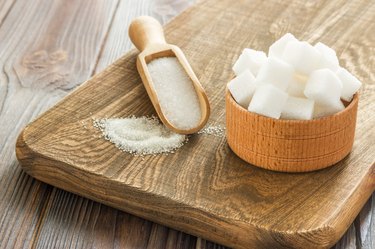
The Merck Manual says that home remedies for hiccups, such as swallowing a tsp. of sugar or some crushed ice, or by pulling on the tongue, work by irritating the pharynx, which in turn stimulates the vagus nerve. Other home remedies include varying the breathing pattern, which might override the input of the vagus and phrenic nerves and prompt them reset to their normal rhythms.
Treatments
Rarely, persistent or intractable hiccups require medical intervention. If an underlying medical condition causes the hiccups, treating that condition usually gets rids of the hiccups, as well. Some drugs can treat hiccups, including chlorpromazine, metoclopramide and baclofen. For cases that result from stomach distension, a nasogastric tube passed into the stomach can provide relief. If all else fails, the injection of a nerve block or a surgically implanted nerve stimulator can stop hiccups.


