





































































Pulse oximetry is a technology health professionals use to determine the amount of oxygen in your blood. Keeping levels within a normal range means oxygen is being delivered to the cells of the body to keep them functioning. Variables in pulse oximetry readings can exist, but its application is simple and yields information about low blood oxygen conditions, making up one portion of your total assessment.
Blood/Oxygen Relationship
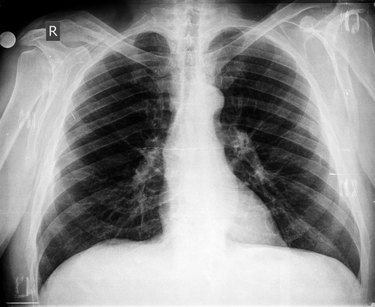
Survival of the tissues of your body depends on a delicate balance of nutrients being delivered to the cells that make up those tissues. According to Anatomy and Physiology for Emergency Care, the air you breathe is made up of approximately 21 percent oxygen, with the majority of air being made up of an inert gas called Nitrogen. Oxygen is one of the most important of these cellular nutrients and must move from the air, through the lungs, and attach to specialized molecules on the red blood cells called a hemoglobin molecule.
Oxygen Delivery
The red blood cells, loaded with newly absorbed oxygen, are pumped around the vessels of the body to deliver the oxygen to the cells. As the blood cells reach the tiniest vessels, called capillaries, the oxygen releases into the fluid surrounding each cell and is eventually absorbed. In exchange, cells release carbon dioxide as a waste product. The carbon dioxide returns to the lungs to be expelled from the body, and the process starts over again. Blood oxygen level deficits can be made up by the administration of prophylactic oxygen.
Pulse Oximetry Basics
A pulse oximeter uses a system of light emitting diodes that send waves through the capillaries to another directly opposite diode that reads the differences in the amount of light absorbed by the oxygen attached to the hemoglobin. According to Pulseox.info, oxygen saturation is a measure of the amount of oxygen the hemoglobin is carrying as a percentage of the maximum carrying capacity. For example, if 100 hemoglobin molecules have a capacity to carry four oxygen molecules each, the total capacity would equal 400. If the actual capacity of the total molecules is 365, then the percentage of maximum would equal 93 percent ((375/400) x 100 = 93%).
Normal Level
Pulse oximetry is only one component of the overall assessment. According to Update in Anaesthesia, your oxygen saturation percentage should always be above 95 percent. Readings below this indicate varying levels of a condition of low blood oxygen, or hypoxia. Use caution, because the term "normal" is somewhat misleading. For example, if you have a condition called chronic obstructive pulmonary disorder (COPD) you will always have a lower than average amount of oxygen in your blood. This means a pulse oximeter reading of 92 to 95 percent may be "normal" for you; each person is different. Altitude also has an influence on normal levels of oxygen saturation. According to Amperor Direct, you may have a pulse oximetry reading of 98 percent at sea level; however, it will decrease to 95 percent at 5,000 feet and decrease to 90 percent at 10,000 feet.
Variable Readings
There are certain conditions that may skew the pulse oximeter percentage readings. According to Essentials of Paramedic Care, causes of poor readings include high intensity light and an absent or significantly decreased pulse. Carbon monoxide exposure and hemoglobin abnormalities, such as anemia, will give the impression that the pulse oximetry reading is acceptable when in fact it is critically low. For example, significant blood loss results in a profound reduction in the available red blood cells to carry oxygen, even though the remaining cells may be functioning at full capacity. So even though your pulse oximetry reading is at 95 percent, instead of the 100 blood cells carrying oxygen you only have 30.
References
- "Anatomy and Physiology for Emergency Care;" Frederic Martini, PhD, Edwin Bartholomew, Bryan Bledsoe, DO; 2002
- Pulseox.info: What is Oxygen Saturation?
- Update in Anaesthesia: Pulse Oximetry
- Amperor Direct: How to Interpret Pulse Oximeter Readings
- "Essentials of Paramedic Care;" Bryan Bledsoe, DO, Robert Porter, Richard Cherry; 2007


