





































































Simple squamous epithelium consists of a single layer of thin cells that are often flattened. These cells have a variety of functions within the body and are primarily used to line certain tissues. These cells are used to make very thin linings which can protect tissues and allow substances to pass between different tissues with relative ease.
Protection and Support
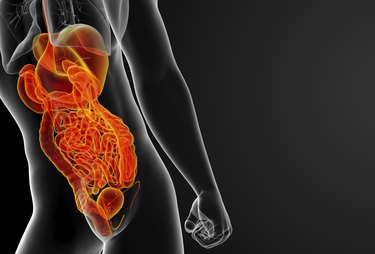
One place where simple squamous epithelial cells can be found is in the mesentery, notes the Suny Downstate Medical Center. The mesentery is responsible for protecting organs in the abdominal cavity. It prevents organs from rubbing against each other, leading to inflammation and possible organ damage. In addition to its role in protecting organs in the body, the mesentery is also used to help support organs and the nearby blood vessels and nerves that run to and from the organs. This helps keep these important structures in place and can reduce the risk of them becoming damaged or disconnected.
Diffusion
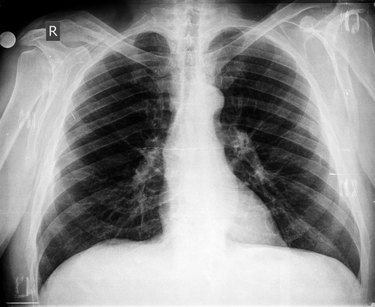
Simple squamous epithelium can also be found in portions of the lungs and kidneys. In the lungs, the squamous cells are found in the alveoli, which are the small air sacs in the lungs. In the kidneys, simple squamous epithelial cells line small structures known as glomeruli, which are responsible for filtering the blood. In both cases these structures are involved in diffusion, which is the process by which a substance is able to pass from one tissue to the next. Within the alveoli, diffusion works to allow oxygen from the air to get into the blood; within the glomeruli, diffusion is needed to allow water and other substances to pass from the blood to the urine. Diffusion works best when there is only a thin lining of tissue that substances need to pass through. Simple squamous epithelial cells are flat, which makes them ideal for lining tissues which utilize diffusion.
Endothelium
Simple squamous epithelial cells also line blood vessels, where they are known as endothelium. The endothelium functions as a sort of gatekeeper for blood vessels. These cells are responsible for letting fluids and cells, such as immune cells, escape from small blood vessels and get into the surrounding tissues. Endothelial cells can either form a solid wall which makes it hard for substances to escape blood vessels, or they can become "leaky," which allows for larger molecules and cells to leave the blood vessel. Endothelial cells can become leaky in response to certain chemical signals, according to "Vascular Endothelium: Source and Target of Inflammatory Mediators," a 2001 book edited by John Catravas and colleagues.
References
- Southern Illinois University: Epithelium Study Guide
- Suny Downstate Medical Center: Epithelia
- "Vascular Endothelium: Source and Target of Inflammatory Mediators"; Catravas, John et al.; 2001


