There's been a lot of buzz about antioxidants in recent decades. Antioxidants benefit you by helping prevent or delay certain types of cell damage, per the National Institutes of Health (NIH).
In lab studies, antioxidants have been shown to counteract oxidative stress caused by free radicals — highly unstable molecules created when you exercise, digest food or are exposed to environmental factors like sunlight, air pollution and cigarette smoke.
Video of the Day
Video of the Day
It's thought oxidative stress plays a role in a variety of diseases, such as cancer, heart disease, diabetes, Alzheimer's, Parkinson's and age-related macular degeneration and cataracts, per the NIH. Antioxidant-rich foods also protect your skin from free radical damage, helping your skin look more youthful and radiant, per the Cleveland Clinic.
There are hundreds, if not thousands, of substances that can act as antioxidants, according to the Harvard T.H. Chan School of Public Health. Some common antioxidants include:
- Vitamin C: An essential nutrient that occurs naturally in many foods
- Vitamin E: An essential nutrient that occurs naturally in many foods
- Beta-carotene and other related carotenoids: Pigments that produce yellow, red and orange colors in plants (beta-carotene is converted into vitamin A in your body)
- Selenium: An essential mineral
- Manganese: An essential mineral
- Polyphenols: Plant substances with powerful antioxidant properties
- Flavonoids: A family of polyphenolic compounds
- Anthocyanins: A type of flavonoid
- Catechin: A type of flavonoid
- Quercetin: A type of flavonoid
How Many Antioxidants Do You Need?
The Dietary Guidelines for Americans do not set a Daily Value (DV) for antioxidants, but they do recommend filling half of your plate with fruits and vegetables.
Diets high in fruits and vegetables (which are antioxidant-rich foods) provide you with the most nutrition. Research has not shown antioxidant supplements are beneficial in preventing disease. In other words: It's best to get your antioxidants from whole foods.
One of the most widely cited and comprehensive reports on antioxidants is a 2004 study in the Journal of Agricultural and Food Chemistry where USDA researchers ranked more than 100 common foods by their total antioxidant capacity (or their ability to combat free radicals).
Check out this list of the highest antioxidant foods based on the USDA report. Note that Americans get around 5,700 total antioxidant capacity per day, and many foods on this list provide more than that.
1. Small Red Beans
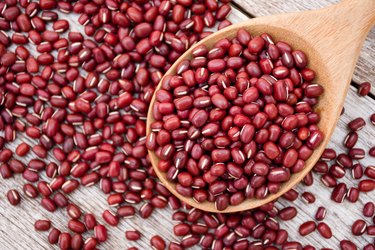
- 13,727 total antioxidant capacity per ½ cup
Although the researchers measured the antioxidants in dry beans, you'll still get plenty once they're cooked. Red beans contain polyphenols, plant substances with potent antioxidant properties, per a November 2017 study in the International Journal of Molecular Sciences.
Red beans contain anthocyanins, per a November 2015 report from the University of Nebraska-Lincoln. Anthocyanins are a type of flavonoid, a family of polyphenols. These antioxidants are responsible for the red, purple and blue colors in fruits and vegetables, per an August 2017 study in Food & Nutrition Research.
Both raw and cooked beans contain polyphenols — and cooking beans at high temperatures does not change the polyphenol content, per the study. Try these protein-packed canned bean recipes.
2. Wild Blueberries
- 13,427 total antioxidant capacity per 1 cup
Wild blueberries, in particular, are the most antioxidant-rich fruits. Wild blueberries are high in anthocyanins, which are in the fruit's skin and are responsible for its blue hue, per the University of Maine Cooperative Extension.
More research is needed to confirm the health benefits of anthocyanins, but they're linked to lower blood pressure, improved vision, reduced cancer cell growth and lower rates of diabetes and heart disease, per an October 2015 report in the Journal of Food Processing & Technology. They're also thought to be anti-inflammatory and anti-bacterial.
Like wild blueberries, cultivated blueberries pack antioxidants — with 9,019 total antioxidant capacity per cup. Anthocyanins account for up to 60 percent of all the total polyphenol antioxidants in ripe blueberries, according to a Mach 2020 review in Advances in Nutrition. The anthocyanins in berries increase dramatically as they ripen.
One cup of blueberries also contains 16 percent of the DV for vitamin C (a common, potent antioxidant) and 6 percent of the DV for vitamin E (another antioxidant). Try them in these healthy blueberry breakfast recipes.
3. Red Kidney Beans
- 13,259 total antioxidant capacity per 1/2 cup
Like their cousin small red beans, red kidney beans are rich in polyphenol antioxidants. In particular, they are an excellent source of anthocyanins, per an October 2016 study in the Journal of Functional Foods.
Flavonoids appear to be able to affect cell signaling and have been shown to have anti-inflammatory, anti-thrombogenic (prevent blood clots), anti-diabetes, anti-cancer and neuroprotective activities in vitro and in animal models, per the Oregon State University Linus Pauling Institute.
Although the USDA researchers measured the antioxidant capacity of dried kidney beans, you'll still get plenty of antioxidants and other perks from cooked kidney beans: A 1/2 cup of cooked red kidney beans contains 18 percent of the DV of manganese (which also has antioxidant properties), 7.7 grams of protein and 6.5 grams of heart-healthy fiber.
4. Pinto Beans
- 11,864 total antioxidant capacity per ½ cup
Like small red beans and red kidney beans, pinto beans are chock-full of antioxidants, including the flavonoid kaempferol, per the November 2017 International Journal of Molecular Sciences research.
Kaempferol is a polyphenol antioxidant in plants. Several studies link it to a reduced risk of chronic diseases, particularly cancer and inflammation, per a June 2013 review in Food Chemistry.
A 1/2 cup of cooked pinto beans also has 17 percent of the DV for manganese and 10 percent of the DV for selenium (which has antioxidant properties).
5. Cranberries
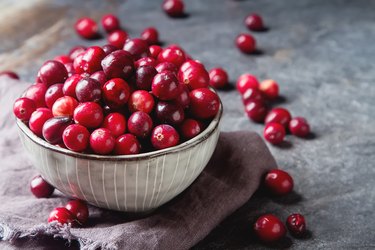
- 8,983 total antioxidant capacity per 1 cup
The USDA lists cranberries as one of the top fruits high in antioxidants, with just slightly less antioxidant capacity than traditional blueberries. Cranberries contain a variety of polyphenols, including the flavonoids anthocyanin and catechin, per a May 2018 study in the International Journal of Food Properties.
A catechin is a type of antioxidant also found in green tea, and it's currently being studied in the prevention and treatment of cancer, per the NIH.
One cup of raw cranberries also contains 17 percent of the DV for vitamin C and 10 percent of the DV for vitamin E. Try them in these year-round cranberry recipes.
6. Artichokes
- 7,904 total antioxidant capacity per 1 cup
The top vegetable for antioxidants is the artichoke, according to the USDA report — and it's found to possess even more antioxidants than several types of berries.
Artichokes contain antioxidants such as the flavonoid luteolin, per a September 2004 report in the Journal of Pharmacology and Experimental Therapeutics. Luteolin has anti-inflammatory, anti-allergic and anti-cancer effects: In fact, it was found to cause colon cancer cell death through antioxidant effect (but had no effect on healthy cells) in an October 2017 study in the International Journal of Oncology.
Try the veg in these canned artichoke heart recipes.
7. Blackberries
- 7,701 total antioxidant capacity per 1 cup
Blackberries have a high amount of phenolic compounds such as gallic acid and ellagic acid, plus catechins, quercetin, luteolin, proanthocyanidins and anthocyanins, per a February 2012 study in the Journal of Zhejiang University Science.
The study analyzed three types of berries and found blackberries had less antioxidant capacity than blueberries but more than strawberries, which reflects the USDA report's findings.
Proanthocyanidins, like anthocyanidins, are a type of flavonoid with antioxidant activity. One cup of blackberries also contains 34 percent of the DV for vitamin C and 11 percent of the DV for vitamin E.
8. Prunes
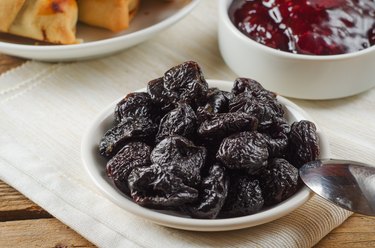
- 7,291 total antioxidant capacity per ½ cup
Dried plums, also known as prunes, are excellent sources of antioxidant polyphenols — namely chlorogenic acid, neochlorogenic acid, caffeic acid, coumaric acid, rutin and proanthocyanidin, per an October 2013 chapter in Polyphenols in Human Health and Disease.
Half a cup of prunes contains 6.2 grams of fiber. And fiber is linked to a lower risk of multiple conditions such as heart disease, diabetes, diverticular disease and constipation, per the Harvard T.H. Chan School of Public Health.
9. Raspberries
- 6,058 total antioxidant capacity per 1 cup
Red raspberries are rich in antioxidants such as vitamin C and flavonoid compounds, including cyanidin and quercetin, per a June 2012 study in the Journal of Agricultural and Food Chemistry.
In vitro and animal studies have found quercetin is anti-carcinogenic, anti-inflammatory and antiviral — and it's even linked to improved mental and physical performance and lower infection risk, per a March 2016 review in Nutrients.
One cup of raspberries provides 36 percent of the DV for vitamin C, plus 8 grams of fiber.
10. Strawberries
- 5,938 total antioxidant capacity per 1 cup
Strawberries are rich in phenolic compounds including flavonoids and phenolic acids such as hydroxycinnamic acids, ellagic acids and anthocyanins, according to the February 2012 Journal of Zhejiang University Science study.
One cup of strawberries also offers an impressive 108 percent of the DV for vitamin C, plus some vitamin E (3 percent of the DV) and 28 percent of the DV for manganese. Try them in these strawberry breakfast recipe ideas.
11. Red Delicious Apples
- 5,900 total antioxidant capacity per apple
Red Delicious, Northern Spy and Ida Red apples have more antioxidants than several other types of apples.
In particular, Red Delicious apples have two times the antioxidant activity of Empire apples, per a classic May 2005 study in the Journal of Agricultural and Food Chemistry. (That said, this Canadian study did not look at several types of apples popular in the United States, such as Gala or Granny Smith.)
The researchers found two types of polyphenols — epicatechin and procyanidin B2 — were the greatest contributors to total antioxidant activity in the apples. Procyanidins made up about 60 percent of antioxidant activity in the peel and 56 percent in the flesh of the apple.
Tip
When you can, leave the peel on your apple: According to the study, polyphenols were five times more abundant in the apple skin than in the flesh.
One medium Red Delicious apple also contains 3 percent of the DV for vitamin E and selenium. Try them in these savory apple recipes.
12. Granny Smith Apples
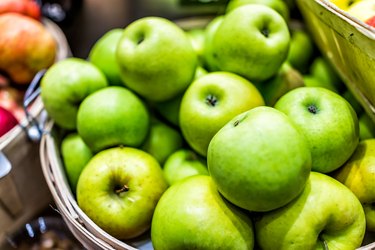
- 5,381 total antioxidant capacity per apple
The USDA report found Granny Smith apples had just slightly less antioxidant capacity per apple than Red Delicious apples. Granny Smiths contain phenolic compounds including catechin, epicatechin and quercetin, per an August 2015 study in the South African Journal of Plant and Soil.
One medium Granny Smith apple also contains 3 percent of the DV for manganese and 2 percent of the DV for vitamin E, plus 4.7 grams of heart-healthy fiber. Try them in these tasty apple dessert recipes.
13. Pecans
- 5,095 total antioxidant capacity per 1 ounce
Pecans have more flavonoids than other nuts, including high levels of proanthocyanidins, per a February 2012 study in Food & Function.
In the United States, nuts provide 19 percent of total food polyphenols per day and are a major source of antioxidants in the American diet. One ounce of pecans also contains 56 percent of the DV for manganese and 3 percent of the DV for vitamin E.
14. Sweet Cherries
- 4,873 total antioxidant capacity per 1 cup
Cherries are high in flavonoids that can help protect against oxidative stress, inflammation and endothelial dysfunction (a type of non-obstructive coronary artery disease), all of which can play a role in heart disease, per a February 2020 review in Foods.
This sweet fruit also contains melatonin. Although melatonin is most commonly known as a sleep hormone, it has powerful antioxidant properties with anti-inflammatory effects, per an April 2019 study in Cell Death & Disease.
One cup of sweet cherries also contains 10 percent of the DV for vitamin C. Try them in these savory cherry recipes.
15. Black Plums
- 4,844 total antioxidant capacity per plum
Black plum peel extract contains nine phenolic compounds, 23 percent of which are anthocyanins, per a September 2019 study in Food Hydrocolloids.
One plum also contains 7 percent of the DV for vitamin C. Fresh plums can be a good antioxidant-rich alternative to prunes (dried plums) if you want to be especially mindful of your sugar intake.
Because dried fruit is much smaller than fresh fruit due to its lack of water, it's easy to load up on calories when eating it — especially because manufacturers often add sugar to dried fruit.
16. Russet Potatoes
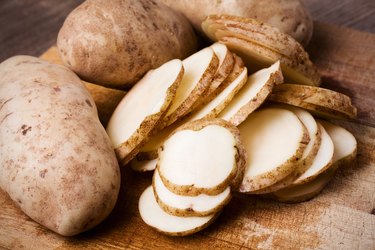
- 4,649 total antioxidant capacity per potato
Potatoes don't always get the same fanfare as other vegetables, but they're actually an excellent source of antioxidants.
This root vegetable has flavonoids including flavonols, flavanols and anthocyanins, per a June 2016 study in the International Journal of Molecular Sciences. The potato peel has the highest amounts of phenolic compounds, so skip peeling your taters when you can.
One baked Russet potato also contains 16 percent of the DV for vitamin C and 17 percent of the DV for manganese, plus small amounts of selenium and vitamin E. Try them in these healthy potato recipes under 300 calories.
17. Black Beans
- 4,181 total antioxidant capacity per ½ cup
Beans contain antioxidants such as flavonoids, tannins and phenolic compounds, per North Dakota State University.
Beans with color (like black, red or brown beans) have more antioxidant activity than white beans. Although some of these antioxidant compounds are lost during typical cooking methods, a significant amount of antioxidants still remain.
A 1/2 cup of cooked black beans contains 5 percent of the DV for vitamin E, plus 17 percent of the DV for manganese and some selenium (2 percent of the DV). It also provides 7.5 grams of heart-healthy fiber.
18. Gala Apples
- 3,903 total antioxidant capacity per apple
After Red Delicious and Granny Smith apples, the USDA report found Gala apples to have the highest antioxidant capacity out of the apple varieties tested. Golden Delicious apples (3,685 antioxidant capacity) and Fuji apples (3,578 antioxidant capacity) were close behind.
In general, antioxidants commonly found in apple peels include procyanidins, catechin, chlorogenic acid and quercetin, per the Department of Food Science at Cornell University. Apple flesh includes these antioxidants as well (with the exception of quercetin, which is found exclusively in the peel), but in much lower quantities than the peel.
One medium Gala apple also contains some manganese and vitamin E, plus 4 grams of fiber.
19. Avocados
- 3,344 total antioxidant capacity per avocado
Avocados are rich in phenolic compounds such as gallic acid, anthocyanidins and tocopherols, which may have significant neuroprotective and cardioprotective effects, per an October 2019 study in Antioxidants.
Avocados also contain carotenoids, which are antioxidants made by plants. Although more research is needed, eating plenty of carotenoid fruits and vegetables is linked to a significantly reduced risk of some chronic diseases such as cancer, heart disease and eye-related diseases, per a February 2014 study in Nutrients.
One avocado also provides 28 percent of the DV for vitamin E, 22 percent of the DV for vitamin C, 12 percent of the DV for manganese and small amounts of selenium. Try them in these avocado recipes that aren't toast or guacamole.
For quick reference, refer to the top foods high in antioxidants chart below.
Top 10 Antioxidant Foods
Food | Antioxidant Capacity | Serving Size |
|---|---|---|
Small red beans | 13,727 | 1/2 cup |
Blueberries | 13,427 | 1 cup |
Red kidney beans | 13,259 | 1/2 cup |
Pinto beans | 11,864 | 1/2 cup |
Cranberries | 8,983 | 1 cup |
Artichoke hearts | 7,904 | 1 cup |
Blackberries | 7,701 | 1 cup |
Prunes | 7,291 | 1/2 cup |
Raspberries | 6,058 | 1 cup |
Strawberries | 5,938 | 1 cup |
- National Institutes of Health: "Antioxidants: In Depth"
- Cleveland Clinic: "23 Foods That Are Good for Your Skin"
- Harvard T.H. Chan School of Public Health: "Antioxidants"
- Journal of Agricultural and Food Chemistry: "Lipophilic and Hydrophilic Antioxidant Capacities of Common Foods in the United States"
- United States Department of Agriculture: "Dietary Guidelines for Americans"
- International Journal of Molecular Sciences: "Polyphenol-Rich Dry Common Beans (Phaseolus vulgaris L.) and Their Health Benefits"
- University of Nebraska-Lincoln: "Phenolic Rich Extracts Obtained From Small Red Beans in Preventing Macrophage Mediated Chronic Inflammation"
- Food & Nutrition Research: "Anthocyanidins and anthocyanins: colored pigments as food, pharmaceutical ingredients, and the potential health benefits"
- The University of Maine Cooperative Extension: "Wild Blueberry Concentrations: Antioxidants, Vitamins and Minerals"
- Journal of Food Processing & Technology: "Health benefits of anthocyanins"
- Journal of Functional Foods: "Antioxidant activities and anthocyanins composition of seed coats from twenty-six kidney bean cultivars"
- Oregon State University Linus Pauling Institute Micronutrient Information Center: "Flavonoids"
- MyFoodData: "Cooked Red Kidney Beans"
- Food Chemistry: "A review of the dietary flavonoid, kaempferol on human health and cancer chemoprevention"
- MyFoodData: "Pinto Beans (Cooked)"
- Advances in Nutrition: "Recent Research on the Health Benefits of Blueberries and Their Anthocyanins"
- MyFoodData: "Blueberries"
- International Journal of Food Properties: "Cranberry antioxidant power on oxidative stress, inflammation and mitochondrial damage"
- National Institutes of Health: "Catechin"
- MyFoodData: "Cranberries"
- Antioxidants in Sports Performance: "Green Tea Catechins and Sport Performance"
- The Journal of Pharmacology and Experimental Therapeutics: "Flavonoids from Artichoke (Cynara scolymus L.) Up-Regulate Endothelial-Type Nitric-Oxide Synthase Gene Expression in Human Endothelial Cells"
- International Journal of Oncology: "Luteolin induces apoptotic cell death via antioxidant activity in human colon cancer cells"
- Journal of Zhejiang University Science: "Survey of antioxidant capacity and phenolic composition of blueberry, blackberry, and strawberry in Nanjing"
- MyFoodData: "Blackberries"
- Polyphenols in Human Health and Disease: "Chapter 68 - Vascular Protective Effects of Fruit Polyphenols"
- MyFoodData: "Prunes (Dried Plums)"
- Harvard T.H. Chan School of Public Health: "Fiber"
- Journal of Agricultural and Food Chemistry: "Comparison of flavonoid composition of red raspberries ( Rubus idaeus L.) grown in the southern United States"
- Nutrients: "Quercetin, Inflammation and Immunity"
- MyFoodData: "Raspberries"
- MyFoodData: "Strawberries"
- Journal of Agricultural and Food Chemistry: "Which Polyphenolic Compounds Contribute to the Total Antioxidant Activities of Apple?"
- MyFoodData: "Red Delicious Apples"
- South African Journal of Plant and Soil: "Antioxidant content and phytochemical properties of apple ‘Granny Smith’ at different harvest times"
- MyFoodData: "Granny Smith Apples"
- Food & Function: "Nuts, especially walnuts, have both antioxidant quantity and efficacy and exhibit significant potential health benefits"
- MyFoodData: "Pecans"
- Foods: "Antioxidant and Anti-Inflammatory Properties of Cherry Extract: Nanosystems-Based Strategies to Improve Endothelial Function and Intestinal Absorption"
- Cell Death & Disease: "Melatonin as a master regulator of cell death and inflammation: molecular mechanisms and clinical implications for newborn care"
- MyFoodData: "Meijer Inc. - Michigan Sweet Cherries"
- Food Hydrocolloids: "Development of multifunctional food packaging films based on chitosan, TiO2 nanoparticles and anthocyanin-rich black plum peel extract"
- MyFoodData: "Plums"
- Harvard Medical School: "Is eating dried fruit healthy?"
- International Journal of Molecular Sciences: "Phenolic Compounds in the Potato and Its Byproducts: An Overview"
- MyFoodData: "Baked Russet Potatoes"
- North Dakota State University: "All About Beans Nutrition, Health Benefits, Preparation and Use in Menus"
- MyFoodData: "Black Beans"
- Department of Food Science at Cornell University: "Antioxidants of Apples"
- MyFoodData: "Gala Apples"
- Antioxidants: "The Odyssey of Bioactive Compounds in Avocado (Persea americana) and Their Health Benefits"
- Nutrients: "Potential Role of Carotenoids as Antioxidants in Human Health and Disease"
- MyFoodData: "Avocados"