People with diabetes, particularly type 2 diabetes, are two to four times more likely to develop cardiovascular disease than people without the condition, according to Johns Hopkins Medicine. In fact, cardiovascular disease — which includes heart disease, heart failure and stroke — is the main cause of death for people with type 2 diabetes.
That's why following a heart-healthy meal plan is one of the most important ways to manage both of these conditions. Healthy food choices not only help control blood sugar, but also help lower cholesterol and blood pressure, making for a much healthier heart.
Video of the Day
Video of the Day
Eating for Your Heart With Diabetes
You're going to want to incorporate smart food choices for both diabetes and heart health in your diet. According to the American Heart Association (AHA), that includes controlling your total carb intake and choosing complex carbs (such as whole-grain breads) over refined carbs (such as white bread, sodas and candy).
You should also eat plenty of fruits and vegetables; lean proteins like poultry, tofu and fish; and heart-healthy fats found in nuts, seeds, avocados, low-fat dairy and olive oil. Avoid or limit foods that are high in saturated and/or trans fats, such as fried foods, fatty meats and processed foods.
"It's really important to get more fiber, especially from non-starchy vegetables," Heidi Karner, MS, RDN, LDN, at the Joslin Diabetes Center, tells LIVESTRONG.com. Opt for veggies like broccoli, asparagus and cauliflower, according to the American Diabetes Association (ADA). Fiber helps with blood sugar control and reduces the risk of heart disease, according to Harvard Health Publishing.
Although this meal plan involves reducing overall fat intake, Karner advises patients to continue to "include heart-healthy fats like the omega-3 fatty acids in fish" because omega-3s are known to promote heart health, according to the Mayo Clinic. In addition to salmon, fish such as mackerel, herring and sardines are especially high in omega-3s, as are chia and flax seeds and walnuts.
Read more: Top 10 Healthy Fish to Eat
Karner also says to limit sodium intake because excess salt in the bloodstream can increase your blood pressure. This means reducing sodium to less than 2,300 mg a day, according to the AHA.
Losing weight and/or maintaining a healthy weight are also a big part of improving both type 2 diabetes and cardiovascular disease outcomes. "Even losing 5 to 10 percent of your body weight can make a huge difference," Karner says.
Overall, she adds, the biggest takeaway is to eat whole foods instead of processed ones. Whole foods are always the best choice for any diet, but they are especially important for diabetes and heart health.
Heart-Healthy Breakfast Ideas
Whole grains, fruits and vegetables and small amounts of heart-healthy fats are a great way to start the day. You'll get fiber from grains and produce, and heart-healthy fats give the body energy without spiking blood sugar. Additionally, both fiber and healthy fats promote a feeling of fullness that can keep you from eating too many calories and help you stay satisfied for longer.
Here are some healthy breakfast ideas, according to Karner and Mallory Sin, RDN, LDN:
- 1/2 cup cooked steel-cut oatmeal topped with a small banana and a handful of nuts
- 6 ounces of low-fat, low-sugar (less than 15 grams) yogurt mixed with fresh berries and a small handful of nuts
- 1 slice sprouted grain toast topped with peanut butter and apple slices
Keeping It Heart-Healthy at Lunch
If you're at work, it's best to bring your own food instead of buying lunch from the corner deli. Restaurant food often includes extra salt, sugar and unhealthy fats, according to the ADA. If you do eat out, consider ordering a salad or a meal that emphasizes vegetables and lean protein.
Whether you pack a lunch or buy one, try:
- Grilled salmon with steamed broccoli and brown rice
- Whole-wheat pita bread with bulgur-wheat salad and white-meat chicken
- Leafy greens with white-meat chicken, black beans, corn, cucumbers, bell peppers and light dressing
- Cauliflower with lentils or quinoa and tofu
What to Eat for Dinner
Dinner is often the biggest meal of the day, which is why it's especially important to manage your evening calorie intake and portion control. Enjoying meatless meals can be a good way to achieve this. Karner and Sin recommend:
- Vegetable stir-fry with baked tofu, served with long-grain rice
- Lentil soup with a piece of whole-wheat or sprouted bread and a side salad with olive oil-based dressing
- Baked chicken and non-starchy vegetables with quinoa
- Whole-wheat tortilla with black beans, white-meat chicken, lettuce, tomato, low-fat cheese and salsa
- Fish with roasted potatoes and steamed vegetables
Heart-Healthy Snacks
If you're hungry between meals, have a small, low-carb, high-protein snack. Karner and Sin suggest:
- A small handful of nuts sprinkled on top of low-sugar Greek yogurt
- Hummus and non-starchy vegetables such as carrots, cucumbers, celery and tomatoes
- A piece of fresh fruit with nut butter (peanut butter, almond butter, sunflower seed butter)
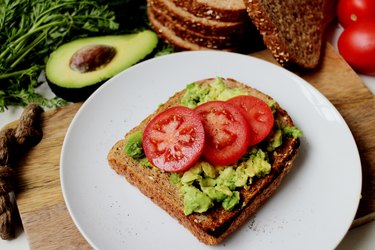
- A piece of sprouted grain toast with sliced avocado and tomato on top
- Johns Hopkins Medicine: "Diabetes and Heart Disease"
- Harvard Health Publishing: "Eat More Fiber-Rich Foods to Foster Heart Health"
- AHA: "The American Heart Association Diet and Lifestyle Recommendations"
- ADA: "Go Heart-Healthy"
- ADA: "Non-Starchy Vegetables"
- Mayo Clinic: "Omega-3 in Fish: How Eating Fish Helps Your Heart"
Was this article helpful?
150 Characters Max
0/150
Thank you for sharing!
Thank you for your feedback!