

































Amino Acids & Hair Growth

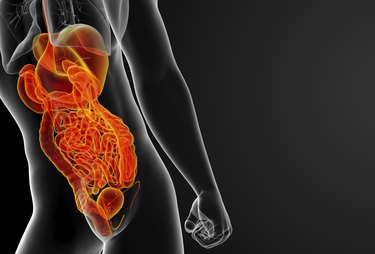
Amino acids bond together in chains to form proteins, which are the building blocks of all living cells. According to Kids Health and Merck Manuals, the human body needs 10 to 22 amino acids to sustain life. To understand how amino acids affect hair growth, explore the different types of amino acids, how they function in the body and the science of hair structure and growth.

Types of Amino Acids and Proteins

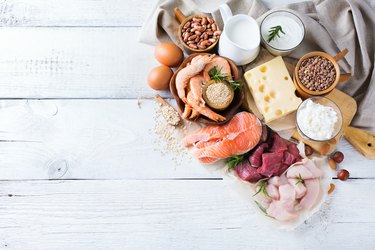
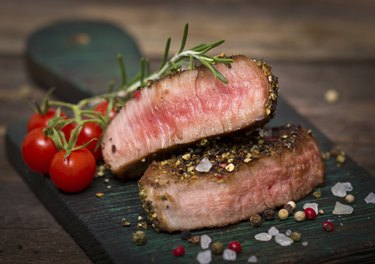
According to Kids Health, nine of the amino acids--the essential amino acids--must come from your diet. The remaining amino acids are considered nonessential, because the body produces them naturally in the liver. All foods have amino acids, but only animal proteins and soy have all nine essential amino acids. Animal- and soy-based proteins are called complete proteins, unlike plants, which are considered incomplete proteins. Certain incomplete proteins, however, can combine with other incomplete proteins to create a complete protein. These proteins, such as beans and rice, are called complementary proteins.

Functions of Amino Acids

The body uses amino acids as part of the metabolism and to make tissue, such as muscles, skin and red blood cells. Amino acids also make keratin, the protein that makes up the majority of your hair strand. The body does not store excess amino acids, so people have to consume adequate amounts every day; the average adult needs 60 grams of complete protein per day, per Merck Manuals.

Hair Growth and Structure

Hair grows from a small pocket in the skin called a follicle. The follicle provides a blood supply, which carries nutrients and oxygen to the hair root. The strand has three layers: the cuticle, cortex and medulla. The cuticle and cortex are both made out of keratin and the medulla is an open space at the center of the strand. Hair grows continuously for two to three years and, according to the Family Doctor website, up to 1/2 inch per month. At the end of the growth phase, hair goes into a resting phase for up to three months before falling out and growing a new hair. Only a small percentage of hair goes into resting phase at a time; the majority of the hair remains in the growing phase.

Amino Acids and Hair Growth

Amino acids feed several of the processes that influence hair growth. In addition to making keratin, amino acids make red blood cells that carry oxygen and nutrients to hair follicles. Amino acids also contribute to the metabolic processes that convert food to energy that fuels all the body's processes, including hair growth. If your body does not get enough calories, it will also use amino acids for energy. In some instances it may break down existing proteins, such as muscles, or slow the rate of hair growth to compensate.

Healthy Hair Growth

A healthy diet, rich in complete proteins, provides the amino acids necessary for hair growth. Proper amino acid intake also supports the skin, including the scalp, which contributes to healthy hair growth.

References

Article reviewed by Adela McKay Last updated on: Jun 14, 2011

Must see: Photo Galleries

Member Comments