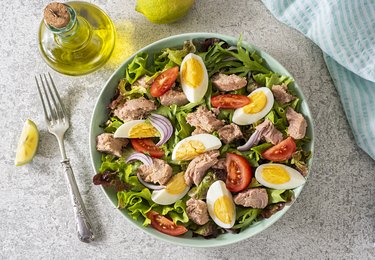
In the U.S., about 2 percent of people assigned female at birth are considered underweight, according to the U.S. Department of Health & Human Services, which increases the risk of infertility, irregular menstrual cycles, low bone density and depression.
Underweight is defined as having a body mass index (BMI) lower than 18.5.
Video of the Day
Video of the Day
But healthy weight gain is possible for many people with the correct diet. It's important to choose the right foods, so you increase the number on the scale without upping your risk for chronic disease. Here's what to eat.
Tip
A weight-gain meal plan should include whole, nutrient-dense foods that are also high in calories. Focus on lean proteins, such as flank steak; whole-grain carbohydrates, such as brown rice; and healthy fats, such as nuts.
The Best Foods for Weight Gain
The best foods for weight gain are calorie-dense, meaning they pack a lot of calories into a small amount of food.
The key is to turn to healthy foods that are high in calories rather than ultra-processed foods like packaged snacks, desserts and sugary beverages. Focus instead on foods high in protein and healthy fats, per the Cleveland Clinic. Foods high in protein, specifically, will help you gain muscle weight rather than fat.
1. Red Meat
Red meat is very high in protein and packs a good amount of calories, too.
Just 6 ounces of skirt steak, for example, serves up nearly 50 grams of protein and 456 calories, per the USDA. It's also an excellent source of iron and B vitamins.
Other red meat options include roast beef, lean ground beef and lamb, all of which are packed with protein.
In one six-week study, 100 women between the ages of 60 and 90 added 6 ounces of red meat to their daily diets and did resistance training six days a week. Overall, they gained lean mass and saw increases in muscle-building hormones, per April 2014 results in The American Journal of Clinical Nutrition.
2. Peanut Butter
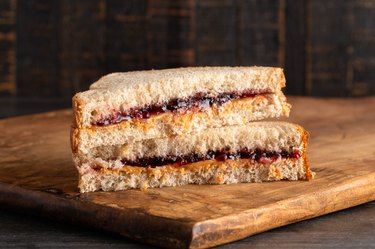
Like all nut butters, peanut butter is relatively high in fat and calories and serves up a good amount of protein.
A 2 tablespoon serving of peanut butter will give you 188 calories and 7 grams of protein, per the USDA.
Spread it on fruit for a snack, mix it into your oatmeal for breakfast or try one of these four other PB-rich recipes.
3. Potatoes
Potatoes are an excellent source of starchy carbohydrates and fiber. A medium potato with skin serves up 164 calories and 37 grams of carbs and 4.5 grams of fiber, per the USDA.
Potatoes also pack vitamin B6, which helps your body process protein, according to the National Institutes of Health. And remember, protein helps you build healthy muscle.
Rather than opting for fried potatoes, stick to healthier cooking methods like baking and add calories with toppings, such as:
- Full-fat sour cream or yogurt
- Shredded cheese
- Avocado or olive oil
Try These Recipes
4. Tuna
Oily fish like tuna are good picks for gaining weight because they're high in protein, and they're also among the foods high in healthy fat.
One 6-ounce tuna fillet has more than 50 grams of muscle-building protein and contains 313 calories, per the USDA. Salmon, tilapia and cod are also good options because each packs more than 40 grams of protein into 6 ounces, per the USDA.
If you're short on time, canned tuna can make for an easy, protein-rich snack (3 ounces has about 23 grams of protein, per the USDA).
Try These Recipes
5. Avocados
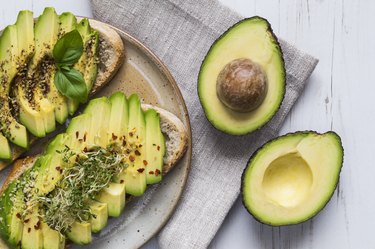
Avocados are a fruit, but they're calorie-dense because of their relatively high fat content.
One medium avocado has 240 calories, 3 grams of protein and 22 grams of fat, per the USDA. The good news is that's mostly healthy fat, of the monounsaturated variety, which can help lower "bad" cholesterol levels and reduce your risk of heart disease and stroke, per the American Heart Association.
You can mash up avocados into guacamole, or use them to top your toast. Or try making an Avocado Pizza, Tropical Avocado Smoothie or an Avocado Omelet with Herbs.
6. Full-Fat Dairy
Dairy products like cow's milk, yogurt and cheese are a good source of protein — especially for vegetarians — and can be calorie-dense if you choose full- or high-fat versions.
One 16-ounce glass of whole milk has more than 15 grams of protein, while a cup of plain, full-fat yogurt has 8.5 grams, per the USDA. Both can be eaten on their own or used as a base for protein-rich smoothies.
As a healthy breakfast or snack, top your bowl of yogurt with calorie-dense additions, such as:
- Walnuts (185 calories per ounce)
- Sunflower seeds (about 269 calories per 1.5 ounces)
- Dried fruit (about 300 calories per half cup)
- Granola (422 calories per half cup)
How Many Calories Do You Need to Gain Weight?
In order to gain weight fast, you need to eat more calories than your body burns, per the Cleveland Clinic.
To make sure your weight gain is healthy, take it slow: Aim to eat between 300 and 500 additional calories per day, which will help you gain about a pound per week.
If you normally eat about 2,000 calories per day, for example, try to eat up to 2,500 calories per day to gain weight.
Foods to Avoid for Weight Gain
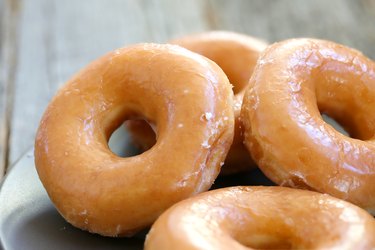
Even if you're on a weight-gain program for medical necessity — because adding healthy pounds will help improve your health, nutrient intake and quality of life — you don't have permission to binge on junk food.
Yes, junk food (think: chips, desserts, sugary drinks) does have concentrated calories that may result in weight gain, but it doesn't offer your body any substantial nutrients that are also needed to boost your health, explains the American Academy of Family Physicians. Junk food can still harm your body and cause ill health even if you're at a healthy weight.
Also watch out for "quick-fix" supplements that promise to help you gain weight easily. The Academy of Nutrition and Dietetics warns you should avoid these expensive supplements because they're usually making promises just too good to be true.
4 Tips for Gaining Weight
A specific diet plan to gain weight doesn't exist, meaning there's not a one-size-fits-all program. Your weight-gain diet program depends on your individual constitution, weight-gain goals, lifestyle and health. But certain strategies are a part of just about every weight-gain program.
1. Eat more nutrient-dense foods that supply your body with the vitamins, minerals and other important compounds that boost your health. You don't need to make drastic dietary changes. Instead, add nuts or seeds to your salads or dip fruit in nut butter. Top grains with avocado or a drizzle of olive oil. Have an extra serving of protein-rich lean meat, such as flank steak or chicken breast.
2. Make snacks a priority. Carry dried fruit and nut bars in your purse or backpack; stash an extra yogurt and banana in the office fridge; pack almonds and raisins for a late-day nosh. These snacks are calorically dense but also nutritious since they contain healthy unsaturated fats, protein and whole grains.
3. Eat more frequently. Many people who are underweight have trouble stimulating their appetite and, frankly, just aren't hungry enough to take in the calories they need. Mini-meals are a solution for people who have a poor appetite. Have a small meal six to eight times during the day — in other words, graze — to keep your calorie intake up. Also, avoid drinking water or other fluids with meals. An excess volume of liquids can fill you up and dampen your appetite more, explains the Academy of Nutrition and Dietetics.
4. Build muscle through exercise. No weight-gain program is complete without exercise. Yes, exercise burns calories, but it also promotes good health in most cases. (If you're underweight due to an eating disorder and your doctor has discouraged exercise, follow her orders, first and foremost.) Weight-training is particularly beneficial because it can help you add weight with healthy muscle mass.
The American Council on Exercise confirms that, for most people, using a weight that brings your muscle to failure within eight to 12 repetitions stimulates the optimal hormonal response for muscle growth.
For weight gain, work all the major muscle groups with one to three (or more) sets of an exercise using this heavy weight. The major muscle group areas are the back, chest, legs, abdominals, arms, hips and shoulders.
A Weight-Gain Meal Plan
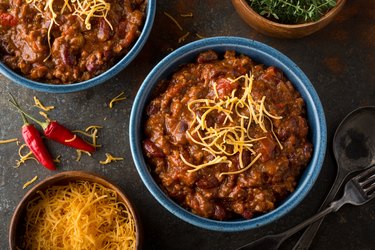
Weight-gain meals should be developed to meet your personal preferences, caloric needs, health conditions and weight-gain goals. If you're trying to add muscle mass, for example, you'll benefit from adding substantial protein to up your caloric intake.
Examples of foods good for weight gain that are recommended by the Academy of Nutrition and Dietetics include:
Breakfasts
- Oatmeal cooked in milk (rather than water)
- Scrambled eggs topped with grated cheese
- Whole-grain muffin topped with almond butter
Lunches
- Tacos made with chicken, black beans, veggies and avocado
- Turkey sandwich on hearty whole-grain bread with sliced cheese and avocado
- Vegetable salad topped with chicken, nuts and olive oil
Snacks
- Full-fat yogurt
- Nuts and sunflower seeds
Dinners
- Salmon or lean steak with sweet potatoes or mashed potatoes made with whole-milk and dry milk powder
- Casseroles made with cheese and whole-milk powder
- Chili topped with shredded cheese
A dietitian or nutritionist can help you develop an eating plan that includes the foods you enjoy.
- Office on Women's Health: "Underweight"
- Academy of Nutrition and Dietetics: "Healthy Weight Gain"
- Health and Quality of Life Outcomes: "What Is the Impact of Underweight on Self-Reported Health Trajectories and Mortality Rates: A Cohort Study"
- Medicine: "Underweight: Another Risk Factor for Cardiovascular Disease?"
- American Academy of Family Physicians: "Healthy Ways to Gain Weight If You're Underweight"
- American Council on Exercise: "What Exercises Should I Perform If I'm Trying to Gain Weight?"
- American College of Obstetricians and Gynecologists: "Female Athlete Triad"
- Journal of Psychiatric Research: "Association of Depression With Body Mass Index Classification, Metabolic Disease, and Lifestyle: A Web-Based Survey Involving 11,876 Japanese People"
- Centers for Disease Control and Prevention: "Adult BMI Calculator"
- Cleveland Clinic: "High-Calorie Foods and Snack Ideas to Gain Weight"
- The American Journal of Clinical Nutrition: "Protein-enriched diet, with the use of lean red meat, combined with progressive resistance training enhances lean tissue mass and muscle strength and reduces circulating IL-6 concentrations in elderly women: a cluster randomized controlled trial"
- USDA: "Peanut Butter (Smooth)"
- USDA: "Skirt Steak"
- USDA: "Potatoes, flesh and skin, raw"
- National Institutes of Health: "Vitamin B6"
- USDA: "Top 10 Foods Highest in Protein"
- USDA: "Bluefin Tuna (Cooked)"
- USDA: "Avocado, raw"
- American Heart Association: "Monounsaturated Fat"
- USDA: "Seeds, sunflower seed kernels, dried"
- USDA: "Nuts, walnuts, english"
- USDA: "Cereal, granola"
- USDA: "Fruit mixture, dried"