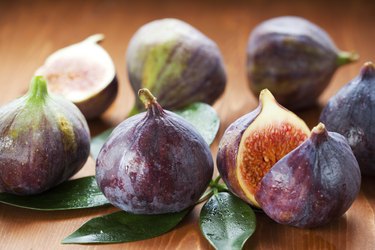
You can find dried figs in many grocery and convenience stores, and you might occasionally stumble upon fresh figs in the produce section.
As long as you don't have a fig allergy, the tasty fruits have a wealth of nutritional benefits and serve as key sources of essential nutrients. Plus, there are multiple types of figs to choose from!
Video of the Day
Video of the Day
For example, Calimyrna figs originated in California and are a special breed of fig derived from the Smyrna fig of Turkey. Known for its golden skin and nut-like flavor, the Calimyrna fig is most commonly found dried but is also eaten fresh. Another type of figs, Mission figs, are eggplant-colored on the outside and equally tasty and nutritious.
Read more about the nutritional value of figs as well as Calimyrna figs' benefits.
Fig Nutrition
A 1/2 cup of dried figs contains 186 calories, per the USDA. Meanwhile, there are 84 calories in fresh figs per 1/2 cup.
Fresh vs. Dried Figs
Per 3 figs | ||
|---|---|---|
Calories | 111 | 60 |
Total Fat | 0.5 g | 0.2 g |
Total Carbs | 28.8 g | 15.3 g |
Sugar | 24.4 g | 11.5 g |
Fiber | 4.4 g | 2.4 g |
Protein | 1.1 g | 0.8 g |
Potassium | 7% Daily Value (DV) | 3% DV |
Copper | 12% DV | 8% DV |
Vitamin K | 6% DV | 3% DV |
This fruit is rich in carbohydrates and contains a bit of protein per serving. Fresh and dried figs are excellent sources of dietary fiber, a type of carbohydrate that's linked to reduced heart disease risk and preventing constipation.
A serving of fresh figs contains 4.4 grams of fiber, while a serving of dried figs provides 2.4 grams. This contributes a solid amount toward your daily fiber intake goal — 14 grams per every 1,000 calories you eat.
As for Calimyrna figs' nutrition, you'll get 165 calories, 42 grams of carbs, 6 grams of fiber and 1.5 grams of protein.
Tip
As dried fruit, Calimyrna and Mission figs are calorie-dense because of their low moisture content. As a calorie-dense food, it has a high calorie content relative to its serving size. But, as a fruit, figs make a healthy calorie choice compared to other calorie-dense foods such as cookies or candy bars.
Potassium
A 1/2 cup of dried figs contains 11 percent of your daily value of potassium.
Including more potassium-rich foods in your diet helps lower blood pressure, according to the American Heart Association. But, if you have kidney disease or a history of high blood potassium levels, you may need to limit the amount of potassium in your diet.
Talk to your doctor about your daily potassium needs before increasing your intake.
Copper
A 1/2 cup of dried figs contains 24 percent of your daily value of copper.
Figs provide copper, which activates enzymes that keep your connective tissues strong, supports healthy brain cell communication and aids in energy production. It also helps your body absorb iron, which makes it beneficial for preventing and treating iron deficiency, per the National Institutes of Health (NIH).
Vitamin K
A 1/2 cup of dried figs contains 10 percent of your daily value of vitamin K.
Figs are good sources of vitamin K, and fresh figs also provide you with beneficial vitamin A. Vitamin K's primary role in your body involves activating clotting factors, or proteins needed for the formation of blood clots. As a result, the vitamin K from your diet allows your body to control bleeding, especially after an injury, per the NIH.
Fig Glycemic Index
Dried figs have a moderate ranking on the glycemic index (GI). A 2-ounce serving of dried figs has a GI of about 61, per the University of Sydney.
But dried figs have a higher concentration of carbs relative to their volume than fresh figs, which means that a serving of fresh figs may satisfy your appetite more effectively while adding fewer carbs to your diet.
The glycemic index rates how foods affect your blood sugar levels. Your body digests and absorbs the carbohydrates in foods that have a moderate to high GI value more rapidly than the carbs in low-GI foods, resulting in a higher rise in your blood sugar after you eat them.
How to Eat Figs
Dried figs — whether Calimyrna or Mission or another type —travel well, which makes them excellent served on their own as a snack you can eat on-the-go.
They also work well in sandwiches: Experiment with adding chopped figs and dried cranberries to chicken salad sandwiches or in leafy green salads. Fresh figs are much more delicate with a short shelf life, so you'll want to eat them at home, shortly after purchase.
Enjoy sliced fresh figs on their own as a treat, or pair them with an ounce of cheese for a more decadent snack. Puree figs and combine them with balsamic vinegar and olive oil for a healthful and flavorful homemade salad dressing.
- USDA National Nutrient Database: Figs, Raw
- USDA National Nutrient Database: Figs, Dried, Uncooked
- Colorado State University Extension: Dietary Fiber
- University of Maryland Medical Center: Copper
- University of Maryland Medical Center: Vitamin A (Retinol)
- University of Maryland Medical Center: Vitamin K
- American Heart Association: "How Potassium Can Help Control High Blood Pressure"