
It's never fun to feel that burning sensation in your throat or chest, otherwise known as acid reflux (or for some, gastroesophageal reflux disease, aka GERD). Your diet can aggravate the conditions, which is why knowing the foods to avoid with GERD or reflux can help you ease symptoms.
And what are the symptoms of GERD and acid reflux, exactly? According to the National Institutes of Health (NIH), signs of both conditions can include:
Video of the Day
Video of the Day
- A dry cough that won't stop
- Trouble swallowing
- Bad breath
- A sour taste in your mouth
- Excessive burping
GERD is the more severe, chronic form of acid reflux that happens when the muscular part of your lower esophagus that should close (called the lower esophageal sphincter) doesn't, allowing food and acid to travel up from your stomach into your throat. This leads to burning and other problems from repeat acid exposure.
Besides being uncomfortable, GERD can damage your esophagus over time if left untreated, per the NIH.
If you have acid reflux or GERD, you probably know a thing or two about over-the-counter antacid treatments, and possibly other prescription medications, too. But one of the key treatments revolves around diet and lifestyle modifications, says David M. Poppers, MD, PhD, a board-certified gastroenterologist at NYU Langone Health in New York.
And while food doesn't cause the condition, it can make your symptoms worse. So here's a roundup of the worst foods for acid reflux and GERD.
Tip
“It’s always better to try to identify and mitigate or minimize triggers rather than to jump to therapies, medications and otherwise,” Dr. Popper says. He advises patients to work with a registered dietitian to determine good foods for GERD the best acid reflux diet for your overall wellbeing.
1. Fried and Fast Foods
First on the list of foods to avoid with acid reflux and GERD: fried and fast foods. These two often go hand-in-hand — think french fries, fried chicken, donuts, convenience foods that are cheap and tasty (and often get handed to you through a take-out window).
None of these are great for reflux conditions: One October 2014 study in Przegląd Gastroenterologiczny found an association between the severity of GERD symptoms and diet, including fried foods.
More research is needed to understand why fried foods spark symptoms, according to a 2019 review in Current Medicinal Chemistry, but it's clear they're among the foods to avoid if you have reflux, says Alicia A. Romano, RD, a registered dietitian at Tufts Medical Center and national media spokesperson for the Academy of Nutrition & Dietetics.
Eat This Instead: High-Fiber Foods
Foods high in fiber are great for overall health and digestion, but they're especially good for heartburn relief, Romano says.
Indeed, fibrous fruits, vegetables, legumes and whole grains are among the best foods for GERD. "Research shows that high-fiber diets play an important role in managing GERD symptoms," Romano says. That's why "a balanced, plant-oriented, high-fiber diet is a great starting point for GERD management."
A June 2018 study in the World Journal of Gastroenterology found that adding 12.5 grams of soluble fiber a day to the diets of people with GERD decreased their weekly frequency of heartburn.
The reason might be that dietary fibers bind to the nitric oxide in food, which could "diminish its negative effect onto low esophageal sphincter pressure," according to study authors. More research is needed, but the hypothesis is a start.
And remember — you don't have to completely avoid food for acid reflux relief. There are many things you can still eat with the condition, so don't despair if certain pleasurable ingredients are on your foods-that-cause heartburn list, Dr. Popper says.
Romano agrees: "I always like to suggest to my patients experiencing GERD, rather than thinking about everything you have to take away from your diet, think about what you can add to your diet and lifestyle to make your condition better. In many cases, adopting healthier dietary patterns — including high-fiber fruits, veggies, legumes, nuts, seeds, whole grains — and lifestyle patterns can play a significant role in managing or preventing symptoms."
Tip
High-fiber foods don’t have to be slow, inconvenient or tasteless. Consider things like hot oatmeal with diced apple, cooked barley and greens sautéed in a little olive oil with chicken or warm lentil stew with a vegetable soup base. Just leave out the tomato and spices to make it GERD-friendly.
2. Fatty Meats
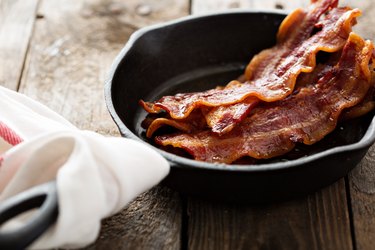
Foods like bacon, sausage and bologna are bad for acid reflux because they're big instigators of GERD symptoms, Romano says.
Saturated fat-rich foods are notorious GERD offenders because they likely decrease the tension in the part of our esophagus that fails to close as it should, allowing acid to flow up.
Fatty foods also take longer to leave the stomach, unlike more easily digested foods, which can lead to food regurgitation, according to the 2014 study in Przegląd Gastroenterologiczny.
Eat This Instead: Fish and Unsaturated Fats
While there's no one right GERD diet to completely eliminate your symptoms ("It's avoiding the triggers," Dr. Poppers says), research has shown that a Mediterranean diet and/or a very low-carbohydrate diet protect against GERD, according to the Current Medicinal Chemistry article.
Another study, published October 2016 in Diseases of the Esophagus, looked at the association of a Mediterranean diet and GERD in 817 adults in Albania. It found a "beneficial effect" in the reduction of GERD from the diet type, which emphasizes fish (not fried!), unsaturated fats like olive oil and fresh fruits and vegetables.
So if you're wondering what to eat for GERD, this eating style may be a good place to start.
Tip
If you decide to eat a fat-heavy meal, make it a small one and schedule it at least a few hours before bed, says Christine Frissora, MD, a gastroenterologist at Weill Cornell Medicine. If you lay down to bed with a bellyful of slow-to-digest food, you raise your risk of nighttime heartburn.
3. Spicy Foods
Spicy foods might cause esophageal mucosal irritation, according to an August 2019 report in the Journal of Thoracic Disease, mimicking classic heartburn.
Spices like chili powder and pepper (white, black, cayenne) are common culprits, Romano says. Garlic can be an offender here, too (more on that later).
Eat This Instead: Mild Foods
One bonus of blander foods is that they tend to be higher in fiber (think: grains, fruits, veggies), Romano says.
"Bland" sounds pretty unexciting, but it doesn't have to be. The list of bland foods good for GERD isn't short, according to the U.S. National Library of Medicine:
- Steamed, baked or grilled lean meats (poultry, whitefish, shellfish)
- Eggs
- Tofu
- Low-fat or fat-free dairy
- White bread, pasta and crackers
- Vegetable and fruit juices (avoid tomato and citrus juice)
- Creamy peanut butter
- Desserts like custard, pudding, popsicles and gelatin
4. Tomatoes
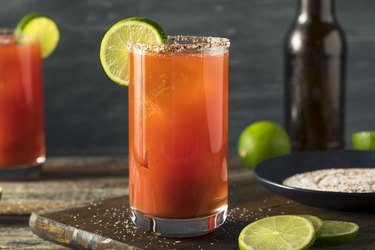
Indeed, fresh tomatoes do cause acid reflux, and this could be related to the acidic nature of the fruit (yes, tomatoes are a fruit!), Dr. Poppers says.
Tomato-based sauces and related products like tomato juice are another group of foods to avoid with GERD. While pasta is not bad for acid reflux on its own, adding tomato toppings to the mix has been shown to cause GERD symptoms, Dr. Poppers says.
Eat This Instead: Other Fruits, Veggies and Herbs
Search the internet and you'll find a host of substitutes for tomato, including peaches, beets and basil. One way to adjust certain recipes is to skip the tomatoes and move on, or get creative with low-fat dairy white sauces or pesto, which aren't as acidic.
Experimentation — and moderation — can help with all of these substitutes so you can instead focus on eating the foods that won't give you heartburn, Romano says.
"For some, eliminating some of the triggers and then slowly reintroducing them back may allow you to identify if one of the foods above worsens your GERD symptoms," she says.
Tip
If ketchup is your condiment of choice, try swapping it out for a non-tomato option. Some mustards contain acidic vinegar, though, so whether dijon mustard is bad for your acid reflux depends on your reaction to it.
5. Citrus Fruits
Like tomatoes, acidic citrus fruits like grapefruit, oranges, lemons and limes are all trigger foods for acid reflux, according to Johns Hopkins Medicine.
It may also be wise to add citrus products like juices and candies to your what-not-to-eat with acid reflux list to avoid discomfort from GERD.
Eat This Instead: Other Fruits
Luckily, there are plenty of delicious lower-acid fruit options to eat instead. Per Johns Hopkins Medicine, good picks include:
- Bananas
- Melon
- Watermelon
6. Alliums
Alliums like onions, garlic and leeks have also been linked to increased GERD symptoms, according to June 2018 research in Primary Care.
Though it's not clear exactly why alliums aren't good food for GERD, it may have to do with the fact that these veggies are high in FODMAPs (fermentable oligosaccharides, disaccharides, monosaccharides and polyols), which can cause digestive issues for some people.
Eat This Instead: Other Flavorful Veggies
Replace alliums with food that won't give you heartburn. Per November 2012 research in Gastroenterology & Hepatology, some flavorful, low-FODMAP veggies to use as substitutes include:
- Capsicum peppers
- Carrots
- Celery
- Parsnips
- Spring onion
Tip
Unfortunately, cooking onions doesn’t have much effect on their acidity, says nutrition scientist Jeremy Tian, PhD, MD. So if you’re really passionate about onions, you can try eating milder shallots and green onions in small doses to see how strongly they affect your reflux.
7. Chocolate
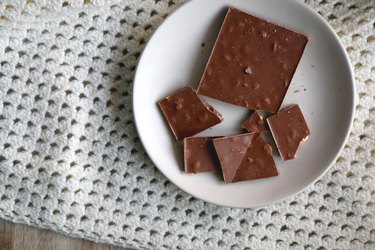
Unfortunately, chocolate is also among the worst foods for heartburn. Chocolate and GERD don't mix well, as the candy can trigger reflux and expose your esophagus to irritating acid, per the Current Medicinal Chemistry research.
Chocolate also isn't the best candy for acid reflux because some varieties contain caffeine, another potentially triggering ingredient, according to the Journal of Thoracic Disease.
Eat This Instead: Low-Acid Fruit
If you're in the mood for candy but have GERD, satisfy your sweet tooth with the high-fiber, low-acid fruits recommended by Johns Hopkins Medicine, including bananas and melons.
So, what candy can you eat with acid reflux? There's no one best candy for GERD, but skipping sweets that contains other acid reflux-inducing ingredients like citrus can also help prevent flares. (Meaning yes, citrus-flavored sour candy is typically bad for acid reflux.)
Tip
You can also prevent or ease GERD symptoms with natural remedies for heartburn, like eating smaller portions, chewing gum, sitting upright after meals and exercising regularly.
8. Peppermint
While peppermints or mint products like tea may seem soothing for throat irritation associated with GERD, mint is actually one of the foods that can give you heartburn, according to Johns Hopkins Medicine. That's because it can cause your esophageal sphincter to relax, allowing acid to flow backwards.
Eat This Instead: Herbal Tea
If you're looking for something to relieve an irritated throat, try non-mint teas like ginger instead, per Johns Hopkins Medicine.
Just remember to pick non-caffeinated brews, as caffeine can likewise aggravate GERD (more on that soon). And if you tend to flavor your teas with lemon, skip the citrus, as that's also on the list of foods to avoid with acid reflux.
9. Caffeine

As tough as it may be to cut caffeine from your life, both the NIH and the Journal of Thoracic Disease recommend that people with GERD limit how much coffee and caffeinated tea they eat or drink. It's yet another suspected irritant that provokes GERD symptoms.
Drink This Instead: Water
H2O is probably the best thing to drink for acid reflux.
Many of us are chronically dehydrated in our fast-paced lifestyles, Dr. Poppers says. Drinking enough water can help reduce GERD symptoms and benefit your overall wellbeing.
10. Carbonated Beverages
How many carbonated beverages you drink is a huge predictor of your heartburn risk, Dr. Tian says.
Why? "The gas released from carbonated beverages increases gastric pressure," Dr. Tian says. Basically, all of those bubbles push and stretch your stomach, and force the esophageal sphincter open.
And while any bubbles can prove bad for your belly, sodas may present even more problems. Many contain caffeine and are also highly acidic, both qualities that can further trigger reflux, Dr. Tian says. Diet sodas tend to be worse, with an even more acidic pH.
Drink This Instead: Flat Water
Not only does flat water not contain reflux-inducing carbonation, but staying hydrated can help tame GERD symptoms in general, Dr. Poppers says.
11. Alcohol
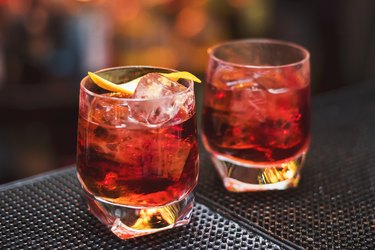
Alcohol is another major GERD offender. It can cause numerous issues, including tampering with the lower esophageal sphincter, increasing acid and impairing how the stomach empties, according to an August 2014 study in BMC Gastroenterology.
It's better to avoid it if you can, or drink in moderation to see if it affects your symptoms, Dr. Poppers says.
Drink This Instead: Mocktails Without Citrus
There are plenty of ways to bring fun drinks into your life without booze. You'll want to skip orange juice, lime juice and lemon juice, though, as these are also on the foods-that-cause-GERD list.
Tip
There are other foods and drinks that might cause issues with GERD, like dairy products. So if you're wondering whether a high-dairy meal — like clam chowder, for instance — is bad for acid reflux, keeping a food diary to track symptoms and what you eat may help you identify your triggers, Dr. Poppers says.
- National Health Institute: “Acid reflux, Heartburn, and GERD: What’s the difference?”
- Przegląd Gastroenterologiczny: "Risk factors for gastroesophageal reflux disease: the role of diet"
- Current Medicinal Chemistry: "Food and Gastroesophageal Reflux Disease"
- World Journal of Gastroenterology: "Fiber-enriched diet helps to control symptoms and improves esophageal motility in patients with non-erosive gastroesophageal reflux disease"
- Diseases of the Esophagus: “Adherence to a predominantly Mediterranean diet decreases the risk of gastroesophageal reflux disease: a cross-sectional study in a South Eastern European population”
- U.S. National Library of Medicine: “Bland diet”
- University of Missouri System: “How to calculate how much water you should drink”
- BMC Gastroenterology: “Dietary guideline adherence for gastroesophageal reflux disease”
- Centers for Disease Control and Prevention: “Dietary Guidelines for Alcohol”
- Johns Hopkins Medicine: "GERD Diet: Foods That Help with Acid Reflux (Heartburn)"
- Primary Care: "Integrative Medicine for Gastrointestinal Disease"
- Gastroenterology & Hepatology: "Low-FODMAP Diet for Treatment of Irritable Bowel Syndrome"
- Journal of Thoracic Disease: "The role of diet in the development and management of gastroesophageal reflux disease: why we feel the burn"
Is this an emergency? If you are experiencing serious medical symptoms, please see the National Library of Medicine’s list of signs you need emergency medical attention or call 911.