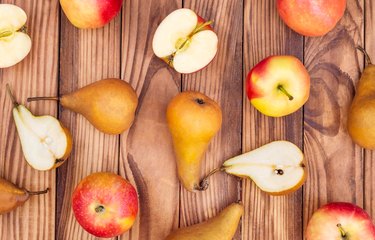
Fructose is the simple sugar found in fruit, vegetables and some natural sweeteners but it's also added to a variety of packaged foods and drinks.
Since the late 1970s, the use of fructose has increased by 30 percent, according to an April 2017 review in Nutrients.
Video of the Day
Video of the Day
Related Reading
What Is Fructose?
Fructose is a simple sugar — or monosaccharide — that is naturally found in fruits, vegetables and some natural sweeteners. You can also find fructose sold as a sweetener on supermarket shelves or added to foods in the form of high-fructose corn syrup (HFCS).
Using fructose to sweeten beverages and foods has been promoted in the past to people with diabetes because it has a smaller effect on blood sugar compared to other sources of sugar or starch, per a July 2012 meta-analysis in Diabetes Care.
While fructose does have benefits over sugar in blood sugar response, the same analysis found that swapping fructose for other sugar sources in doses of 60 grams a day or more resulted in higher triglyceride levels.
Unlike glucose, which is your body's preferred source of energy, most of the fructose you eat heads to the liver to be converted into glucose and used as energy or converted to fat and stored as a future energy source, per the September 2017 review in Nutrients. Eating too much fructose can lead to a build-up of fats in the liver and a condition known as non-alcoholic fatty liver disease, per the National Institutes of Health.
Eating more fructose may also contribute to the rise in fructose malabsorption and fructose intolerance, per a January 2015 article in Current Gastroenterology Reports.
People with fructose malabsorption and intolerance are not able to effectively digest fructose and may even have to avoid certain nutritious fruits and vegetables high in fructose if they cause discomfort, per the January 2015 Current Gastroenterology Reports article. Possible symptoms include bloating, gas, pain, nausea and diarrhea.
What Is High-Fructose Corn Syrup?
High-fructose corn syrup (HFCS) is made by combining fructose with glucose from corn starch, per the Food and Drug Administration. This sweetener is cheaper and sweeter than other forms of sugar and can be found in a number of foods and beverages including soft drinks, juices, ice cream, cakes, cereal bars and more.
Taking in too much HFCS results in similar health issues as a diet high in sugar. In one study, 75 people were split into three groups and given three daily servings of a sugar-sweetened drink, a HFCS-sweetened drink or a diet drink for two weeks. Those whose drinks were sweetened with sugar or HFCS had significant changes in liver fat and insulin resistance compared to the diet drink group, per the November 2021 study in The Journal of Clinical Endocrinology & Metabolism.
Fruits High in Fructose
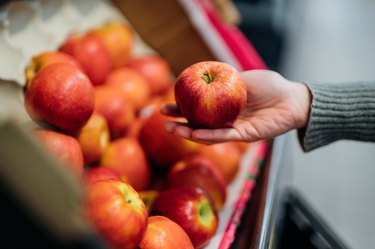
Most fruits have fructose in some amount. Here's a list of high fructose fruit to know.
1. Jackfruit: 15.2 g
Jackfruit has become incredibly popular in recent years as a plant-based meat alternative as it has a texture remarkably similar to pulled meat. The only fruit used as a meat substitute, 1 cup of sliced jackfruit has 15.2 grams of fructose.
You can find this fruit in the refrigerated produce or freezer section in most major grocery stores.
2. Apples: 12.5 g
An apple a day will give you 12.5 grams of fructose along with other important nutrients like fiber, polyphenols and potassium. Including apples in your diet on a regular basis could have heart health benefits.
Several studies have found that frequently eating apples is linked to lower total cholesterol levels, per a June 2015 review in Nutrients.
3. Grapes: 12.3 g
You may worship grapes for the delicious vino that comes from them, but the benefits don't end there. Red or green, grapes have 12.3 grams of fructose per cup.
In addition to being a satisfyingly sweet and nutritious snack, grapes are rich in the antioxidants resveratrol and quercetin, which have heart-protective properties, per an August 2015 review in the Annals of the New York Academy of Sciences.
4. Pears: 11.4 g
Pears are an excellent source of fiber with 5 grams or 20 percent of the daily value (DV) in just one fruit. The natural sweetness of pears is due to the 11.4 grams of fructose found in each one.
The high fiber content makes it the perfect fruit to use in pear dessert recipes to satisfy your sweet tooth and impress guests.
5. Raisins: 9.9 g
With all of the water removed, the nutrients are much denser than in the grape's fresh form. Just one ounce of raisins has 9.9 grams of fructose.
Raisins are a great way to meet the recommended 2 cups of fruit a day, per the USDA. One-half cup of raisins or other dried fruit counts as a 1-cup serving of fruit.
6. Blueberries: 7.4 g
A rich source of fiber and vitamin C, blueberries are high in fructose, too, with 7.4 grams of fructose per cup. Pair blueberries with plain Greek yogurt and chia seeds for a filling snack.
7. Bananas: 5.7 g
Bananas are high in fructose as well, with one medium fruit providing 5.7 grams. The sweet fruit is also a good source of potassium, vitamin C and fiber.
8. Tomato Paste: 3.8 g
No pantry is complete without a can or two of tomato paste. (Yes, tomatoes are technically a fruit.) This thicker cousin of tomato sauce is perfect for recipes like meatloaf, pasta or chili. A quarter cup of tomato paste has 3.8 grams of fructose. Tomatoes have fructose too, but not as much: 1 cup of cherry tomatoes has just 2 grams of fructose.
If you find yourself only using half of your tomato paste at a time, portion the leftovers into one tablespoon dollop and freeze in an airtight container to limit waste and use in your next recipe.
Vegetables High in Fructose
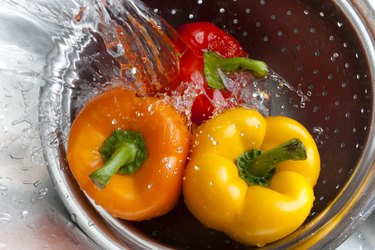
While not as sweet as fruit, many vegetables do have fructose. Here's a list of high-fructose vegetables.
9. Sweet Onions: 3.3 g
A half of a sweet onion has 3.3 grams of fructose along with vitamin C, copper and folate. While some varieties of onions have a pungent and sharp flavor, sweet onions are much milder and have somewhat of a sweet flavor (the name speaks the truth). Use sweet onions in dishes like french onion soup or homemade onion rings.
10. Red Bell Peppers: 2.7 g
There's not another vegetable more versatile than the bell pepper — raw, roasted, stuffed or pureed into a sauce, they're amazing any way you slice them. One medium red bell pepper has 2.7 grams of fructose and 169 percent DV for vitamin C.
11. Summer Squash: 2 g
One cup of sliced summer squash has 2 grams of fructose along with 27 percent of the DV for vitamin C. You can enjoy summer squash grilled, roasted or even raw when it's in season. But don't worry, save your bounty by freezing your squash to enjoy it all year long.
12. Eggplant: 1.3 g
With a deep purple color on the outside and creamy white inside, eggplants add a unique texture and flavor to a variety of dishes, not just eggplant parm.
One cup of cubed eggplant has 1.3 grams of fructose along with anthocyanin, an antioxidant with potential antidiabetes, anticancer, anti-inflammatory and antimicrobial properties, per an August 2017 article in Food and Nutrition Research.
Sweeteners High in Fructose
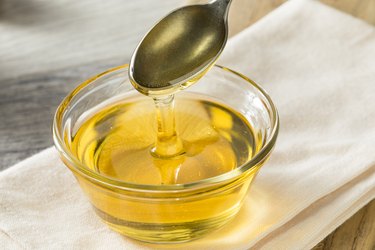
You can buy fructose off the shelf as a stand-alone sweetener, but it occurs naturally in these sugar substitutes.
13. Honey: 8.6 g
Honey is a sweetener that's almost equal parts glucose and fructose with 8.6 grams of fructose in one tablespoon and 7.5 grams of glucose in the same amount. The macronutrients in honey include only carbohydrates along with minute amounts of the micronutrients copper, riboflavin and manganese.
Even though honey is pure sugar, you can enjoy it along with a balanced meal high in protein to help manage your blood sugar levels if you have diabetes or prediabetes, per the Mayo Clinic.
14. Agave: 3.4 g
Agave is a sugar alternative that comes from the agave plant. Unlike honey, agave does not come from animals, which makes it an attractive choice for people following a vegan diet.
Agave is 85 percent fructose or 3.4 grams in one teaspoon of syrup.
15. Molasses: 2.6 g
Great for cookies around the holidays, molasses also has health benefits. Each tablespoon of molasses has 2.6 grams of fructose along with 5 percent of your DV for iron and 12 percent DV for magnesium.
Iron is the most common nutrient deficiency in the world, according to the Harvard T.H. Chan School of Public Health. Using molasses as a sweetener along with other foods high in iron like meat, beans, nuts and spinach can help meet your needs.
Related Reading
Drinks High in Fructose
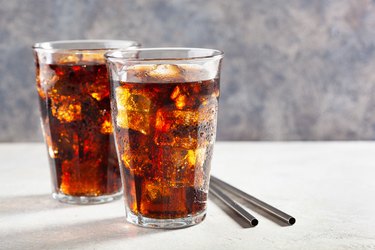
Some drinks have natural fructose, like juices made from 100 percent juice or coconut water, while others have HFCS added for extra sweetness.
16. Soft Drinks: 21.6 g
Soft drinks are some of the highest sources of fructose in the form of high-fructose corn syrup. You'll get 21.6 grams of fructose in one 12-ounce can of cola.
One European study with over 500,000 people observed higher death rates among people who drank two or more soft drinks per day compared to those who drank less than one, per the September 2019 study in JAMA Internal Medicine.
17. Grape Juice: 18.6 g
Wine's non-alcoholic cousin, grape juice, may not provide the buzz but it does bring the sweetness with 18.6 grams of fructose in one 8-ounce glass.
If it's antioxidants you're after, drink the dark stuff: Deep red and purple grapes have higher antioxidant levels than the white or light varieties, per the Mayo Clinic.
18. Cranberry Juice Cocktail: 14 g
Cranberry juice cocktail is sweet, with 14 grams of fructose in a cup, but there may actually be some health benefits to drinking it.
Beverages rich in antimicrobial plant polyphenols, like cranberry juice and cranberry juice cocktail, significantly reduced how much plaque stuck to teeth in a June 2021 study in Beverages.
19. Sweet Tea: 8.4 g
Plain tea itself is fructose-free, but bottled sweet tea can have 8.4 grams of fructose per 8-ounce glass. If you like your tea a bit sweet but are looking to cut down on added sugars, try brewing and sweetening your own with stevia or another sugar substitute.
20. Coconut Water: 5.2 g
The ultimate hydration drink, coconut water helps replenish your electrolytes, like potassium and sodium, after a workout. While low in calories, unsweetened coconut does have 5.2 grams of fructose per cup. Add coconut water to your post-run smoothie or enjoy it on its own.
- Nutrients: "Apples and Cardiovascular Health—Is the Gut Microbiota a Core Consideration?"
- Annals of the New York Academy of Sciences: "An overview of the efficacy of resveratrol in the management of ischemic heart disease"
- UDSA: "Fruits"
- Food and Nutrition Research: "Anthocyanidins and anthocyanins: colored pigments as food, pharmaceutical ingredients, and the potential health benefits"
- Mayo Clinic: "Diabetes nutrition: Including sweets in your meal plan"
- Harvard T.H Chan School of Public Health: "Iron"
- JAMA Internal Medicine: "Association Between Soft Drink Consumption and Mortality in 10 European Countries"
- Beverages: "Beverages Containing Plant-Derived Polyphenols Inhibit Growth and Biofilm Formation of Streptococcus mutans and Children’s Supragingival Plaque Bacteria"
- Mayo Clinic: "Does grape juice offer the same heart benefits as red wine?"
- Nutrients: "Fructose Consumption in the Development of Obesity and the Effects of Different Protocols of Physical Exercise on the Hepatic Metabolism"
- NIH: "How high fructose intake may trigger fatty liver disease"
- Diabetes Care: "Effect of Fructose on Glycemic Control in Diabetes: A systematic review and meta-analysis of controlled feeding trials"
- Current Gastroenterology Reports: "Dietary fructose intolerance, fructan intolerance and FODMAPs"
- FDA: "High Fructose Corn Syrup Questions and Answers"
- The Journal of Clinical Endocrinology & Metabolism: "Consuming Sucrose- or HFCS-sweetened Beverages Increases Hepatic Lipid and Decreases Insulin Sensitivity in Adults"
- USDA: "My Food Data"