

































































Side Effects of a Vitamin E Supplement

Side Effects of a Vitamin E Supplement
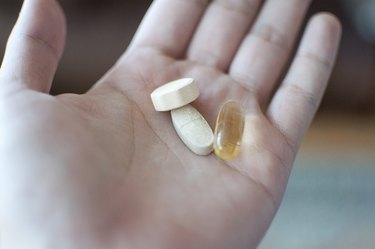
Photo Credit Omega 3 pill in hand image by palmer530 from Fotolia.com

Vitamin E is always on a scavenger hunt for free radicals generated in your body through normal everyday activities and environmental exposure. Vitamin E is a fat-soluble vitamin that is stored in your body fat, liver, and tissue so you only need a small amount to get adequate protection. You can get plenty of vitamin E from foods without any side effects. However, vitamin E supplements taken alone or in combination with medications or cancer treatment can cause harmful side effects.

High Doses

High doses of vitamin E supplements can put you at risk for internal bleeding that can cause a stroke. The Office of Dietary Supplements noted two clinical trials that showed an increased risk of hemorrhagic stroke among research volunteers who consumed high doses of vitamin E supplement for about 6 to 8 years. High doses of vitamin E supplement used in these clinical research studies were 50 mg and 270 mg.

Safe Upper Limit

The Food and Nutrition Board established a safe upper limit for alpha-tocopherol or vitamin E called the Tolerable Upper Intake level, UL. The upper intake level applies to all forms of vitamin E, or alpha-tocopherol. The UL for adults is 1,000 mg per day. This means the total amount of vitamin E you consume from food, fortified foods and supplements in one day should not exceed 1,000 mg.

Drugs

The side effect of increased bleeding can occur when you take vitamin E supplements with medications according to the Office of Dietary Supplements. Avoid vitamin E supplements while taking blood thinning medications such as Coumadin or statin drugs that are prescribed for lowering cholesterol. High doses of vitamin E supplements can also interfere with vitamin K's mechanism that causes blood to clot. Talk to your doctor before taking any vitamin E supplements with medications.

Cancer Treatment

Vitamin E supplements typically contain higher doses of vitamin E than what is recommended for optimal health. Radiotherapy and chemotherapy work by destroying cancer cells. Scientific evidence is not clear as to whether vitamin E and other antioxidant supplements can differentiate between cancer cells and normal cells. Vitamin E's main antioxidant function is to repair cells caused by oxidative stress which means it may possibly repair cancer cells too. Therefore, cancer researchers and doctors recommend that you stay away from vitamin E supplements during cancer treatment.

References

Article reviewed by Jenna Marie Last updated on: Mar 28, 2011

Must see: Photo Galleries

Member Comments