




































































The Nervous System in Relation to Exercise

The Nervous System in Relation to Exercise
Photo Credit Jupiterimages/Brand X Pictures/Getty Images

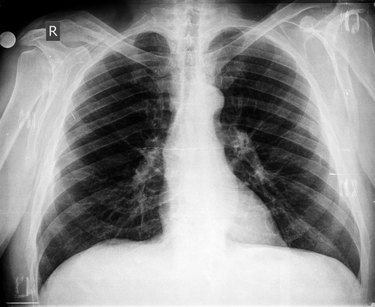
Even just thinking about exercise can increase your heart rate, blood pressure and breathing rate. It's clear that there must be more than just movement that works to increase the metabolic activity going on inside your body. The brain is the command center for your heart, lungs, muscles and even your blood vessels. The brain elicits responses to exercise by controlling your body through the nervous system.

Autonomic Nervous System

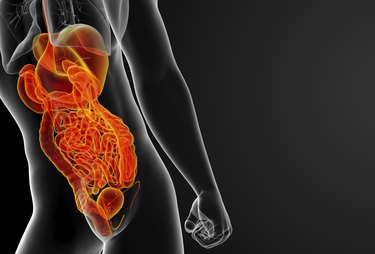
The autonomic nervous system has two separate pathways -- sympathetic or parasympathetic stimulation. For most activities, these two branches of the autonomic nervous system work in opposition to each other. The sympathetic nervous system acts as the antagonist for work; it stimulates the heart, blood vessels, lungs and metabolic systems to prepare for activity. The parasympathetic nervous system is in control during periods of rest and leisure; it works to conserve your energy and allows for functioning of systems not needed for activity, such as digestion.

Effect on Cardiovascular System

When you exercise, the sympathetic nervous system takes over. It acts on both the heart and the release of hormones to stimulate your body into activity-mode. The sympathetic nerves increase the heart rate and also increase the force of contractions, increasing the amount of blood pumped per beat and per minute. The sympathetic nervous system also constricts the blood vessels to unneeded organs during exercise like the digestive, reproductive and urinary organs. Instead, the vessels to the heart and working muscles are dilated. Vasoconstriction increases the blood pressure, as well.

Effects on Hormones

The sympathetic nervous system, upon exercise, stimulates the adrenal medulla of your brain to secrete catecholamines. These hormones, norepinephrine and epinephrine, facilitate the physiological changes brought on during exercise. The increase in activity of the cardiac, skeletal and lung muscle cells is stimulated by the release of epinephrine. Constriction and inhibition of the unnecessary systems is carried out by norepinephrine.

Adaptations to Exercise

Regular exercise can cause beneficial adaptations to your central nervous system. For example, connections between nerve endings and skeletal muscle become more efficient, making it easier for your body to perform a given activity. In addition, your body can increase the number of capillaries that innervate working muscles. This adaptation makes delivering blood to working muscles more efficient, as well.

References

Article reviewed by GlennK Last updated on: Apr 7, 2011

Must see: Photo Galleries