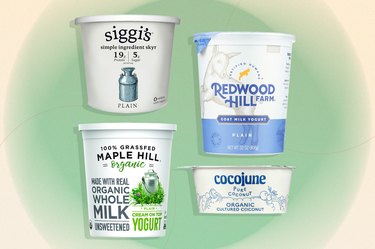
Along with sauerkraut, eating some yogurt is an OG method to add probiotics to your diet. These good-for-your-gut bacteria are linked to a wide range of benefits, including supporting your immune system and improving digestive health, according to the Cleveland Clinic.
"Some benefits of probiotics include less bloating, gas and diarrhea and relief from constipation," says Stephanie Middleberg, RD, CDN. "These friendly bugs may even help lessen lactose intolerance when consuming yogurt as probiotics help break down lactose."
Video of the Day
Video of the Day
Eating a variety of probiotics on a regular basis can help support the balance of your microflora, aka all of the bacteria in your gut, which in turn can benefit your body in many ways, according to Harvard Health Publishing.
What to Look for in a Probiotic Yogurt
Yogurt is a great source of these bacteria. But when it comes to probiotics, not all yogurts are created equally. Here are the factors to consider when perusing the yogurt options at the store:
- Live and active cultures: "To receive the health benefits, it's important that the organisms in your yogurt are alive and active during their shelf life," says Ashley Baumohl, MPH, RD, a clinical dietitian at Lenox Hill Hospital in New York City. To that end, in January 2021, the FDA specified that yogurts must identify if they contain live and active cultures — or not. "Seeing that stamp of live cultures means that that yogurt contains, at a minimum, billions of colony-forming units per gram (CFUs/gram), a scientific way of measuring bacterial load," Baumohl says.
- Zero or minimal additives: You'll want to look for artificial sweeteners, stabilizers, added sugar and color and flavor additives in the ingredient list and try to avoid them, Middleberg says. "These ingredients negatively impact the gut microflora." Your best bet: a short ingredient list, Middleberg says.
- Low or no added sugar: Go for plain yogurt when you can, and sweeten it yourself with fresh or dried fruit. If you're choosing a flavored yogurt, try to aim for under 8 grams of added sugar.
Here's a look at some of the best probiotic yogurts — pull up this list next time you're feeling daunted by the wall of options in the grocery store's dairy section.
1. Maple Hill Creamery
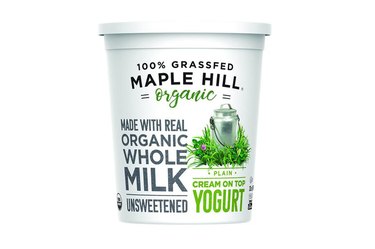
Per 1 cup, plain: 170 calories, 10 g fat (7 g saturated fat), 11 g sugar, 8 g protein
This organic yogurt is free from a lot of things you may want to avoid: added colors, sugar and hormones. Plus, Maple Hill Creamery yogurts have "a thick, silky texture that is especially satiating," Middleberg says.
The brand's cream-on-top varieties (like this one) include the following live cultures: Bifidobacterium lactis, Lactobacillus acidophilus, Lactobacillus delbrueckii subsp., Bulgaricus and Streptococcus thermophilus, per Maple Hill Creamery.
Buy it: Amazon.com; Price: $5.49
2. Stonyfield Organic Whole Milk Probiotic Yogurt
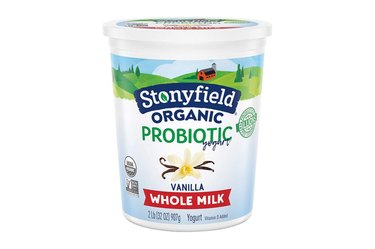
Per 1 cup, vanilla: 200 calories, 8 g fat (5 g saturated fat), 22 g sugar (11 g added sugar), 7 g protein
This USDA-certified organic yogurt contains live and active cultures, including S. thermophilus, L. bulgaricus, Bifidobacterium BB-12, L. acidophilus, L. paracasei and L. rhamnosus. It's also 99 percent lactose-free. Just watch for sugar in the flavored varieties or opt for their plain yogurt to avoid added sugar altogether.
Buy it: Amazon.com; Price: $4.39
3. Dannon Activia Probiotic Yogurt
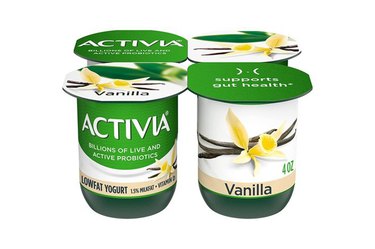
Per 1 cup, vanilla: 90 calories, 1.5 g fat (1 g saturated fat), 12 g sugar (8 g added sugar), 4 g protein
"Dannon Activia Yogurt is a good option if you don't like that tart flavor and thick texture typical of Greek yogurts," Baumohl says. It's available in individual or large sizes. "One thing to note about Activia is that it will be much lower in the protein content," Baumohl says — a serving contains 4 grams, or 8 percent of your daily value (DV).
Buy it: Amazon.com; Price: $3.39 per four-pack
4. Old Chatham Sheep’s Milk Plain Yogurt
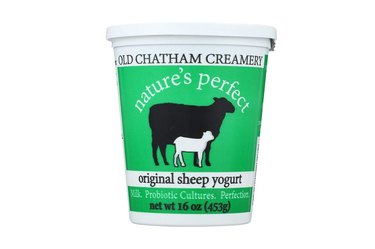
Per 2/3 cup, plain: 150 calories, 10 g fat (7 g saturated fat), 6 g sugar (0 g added sugar), 8 g protein
"Sheep's milk may be easier to digest than regular cow's milk and still contains ample amounts of protein and probiotics," Middleberg says.
The digestibility of sheep's milk is up for debate: A small May 2020 study in Current Developments in Nutrition compared digestive side effects of cow and sheep's milk and symptoms and didn't find a difference. That said, you may find that sheep's milk is easier on your own digestive system.
Buy it: Amazon.com; Price: $6.29
5. Redwood Hill Farm Goat Milk Yogurt
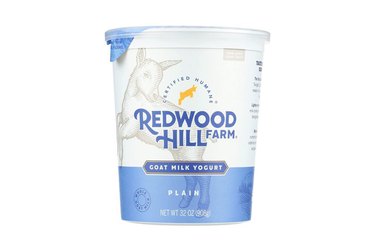
Per 3/4 cup, plain: 120 calories, 6 g fat (4 g saturated fat), 5 g sugar (0 g added sugar), 6 g protein
Middleberg recommends this yogurt, noting that goat milk is more digestible than cow's milk. Both cow's and goat's milk contain lactose, but goat cheese seems to be easier on the digestive system than cheese made from cow's milk, per Sutton Health.
A serving contains 6 grams of protein and 5 grams of sugar. The yogurt contains these live and active cultures: S. Thermophilus, L. Bulgaricus, L. Acidophilus and Bifidus.
Buy it: Amazon.com; Price: $6.99
6. Siggi's Icelandic Strained Yogurt
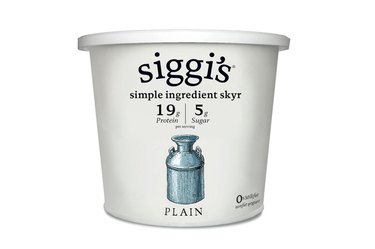
Per 1 cup, plain: 120 calories, 0 g fat, 6 g sugar (0 g added sugar), 23 g protein
Both Baumohl and Middleberg recommend this yogurt. "Personally, my favorite yogurt is Siggi's Icelandic yogurt (also known as skyr) because of its creamy texture and rich taste," Baumohl says. Middleberg notes that it's low in sugar and contains five live active bacteria cultures.
Buy it: Amazon.com; Price: $5.99
7. Chobani Complete Greek Yogurt
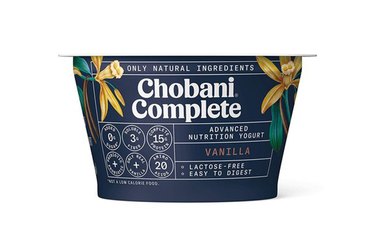
Per container, vanilla: 120 calories, 2.5 g fat (1.5 g saturated fat), 6 g sugar (0 g added sugar), 15 g protein
Chobani's Complete line is one of the best probiotic Greek yogurts because it also includes fiber from chicory root for a more balanced, filling snack. A container has 15 grams or 30 percent of your DV of protein, and it's also a good source of probiotics, with six live and active cultures.
Buy it: Amazon.com; Price: $1.39
8. Lifeway Kefir
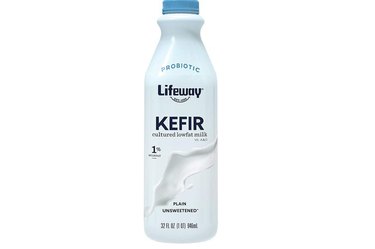
Per 1 cup, plain: 110 calories, 2 g fat (1.5 g saturated fat), 12 g sugar (0 g added sugar), 11 g protein
"Lifeway Kefir is a good option if you're looking for more of a smoothie consistency," Baumohl says. Bottles of this drinkable product contain 12 live, active bacterial cultures. This is "pretty rare to find!" Baumohl says.
It's available in a variety of flavors, and in low-fat and whole milk varieties. A serving size (1 cup) of the plain low-fat Kefir beverage includes 11 grams, or 21 percent of your DV, of protein.
Buy it: Amazon.com; Price: $4.29
9. Cocojune Organic Pure Cultured Coconut
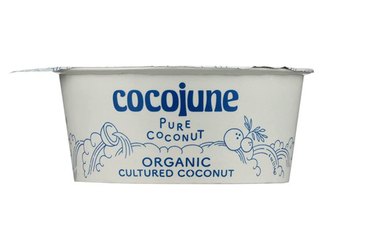
Per 4 oz., plain: 190 calories, 18 g fat (15 g saturated fat), 2 g sugar (0 g added sugar), 2 g protein
Cocojune is one of Middleberg's favorite plant-based yogurts. This organic coconut-based yogurt is made with vegan probiotic cultures and contains Bifidobacterium Anim. S. Lactis Bb-12, Lactobacillus Acidophilus La-5, Lactobacillus Paracasei Crl 431 Lactobacillus Del. S. Bulgaricus, Streptococcus Thermophilus.
"It's a wonderful addition to the diet if [you're] avoiding dairy and looking to improve gut health," Middleberg says.
Buy it: Amazon.com; Price: $2.99
10. Anita’s Vegan Plain Coconut Yogurt
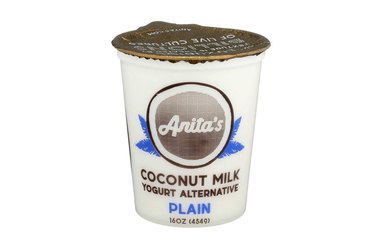
Per 6 oz., plain: 395 calories, 33 g fat (30 g saturated fat), 3 g sugar (0 g added sugar), 4 g protein
Another plant-based, probiotic-rich option Middleberg recommends is Anita's Coconut Yogurt. Each serving contains more than 300 billion live probiotic cultures per serving, per the Anita's Coconut Yogurt website.
But note that one 6-ounce serving is high in calories and saturated fat, so you might want to enjoy a half serving at a time or have Anita's less frequently.
Buy it: Amazon.com; Price: $10.99
- Cleveland Clinic: "Probiotics"
- FDA: "FDA Amends Standard of Identity for Yogurt"
- Maple Hill Creamery: "FAQ"
- Current Developments in Nutrition: "Acute Digestive Symptoms and Lactose Malabsorption to Cow Milk or Sheep Milk in Female Dairy Avoiders "
- Sutton Health: "Lactose Intolerance and Goat Cheese"
- Anita’s Coconut Yogurt: "Vegan Plain Coconut Yogurt"