





































































Pediatric Triglyceride Level

High triglyceride levels are most commonly associated with adults, not children. However, children can have elevated cholesterol levels for a variety of reasons. Poor eating habits coupled with weight gain can cause a rise in triglyceride levels among children. Because high triglycerides are a risk factor for certain health conditions, such as hypertension, heart disease and stroke, it is important to diagnose and treat abnormal pediatric triglyceride levels.

Understanding Triglycerides

Cholesterol is a waxy substance found throughout the body. A small amount of cholesterol is needed to aid the body in the production of cell membranes, hormones and vitamin D. Triglycerides are another type of fat found in foods, as well as in the bloodstream. The body converts the calories it doesn't need into triglycerides. These triglycerides are stored in the fat cells. When the body needs energy, or fuel, it releases triglycerides. Cholesterol and triglycerides are not able to dissolve in the blood, so they circulate throughout the body via lipoproteins. Excess calories stay in the body as either cholesterol or triglycerides.

Risk Factors

We can control certain risk factors for elevated triglyceride levels, but others, we cannot. In children, an underlying medical condition, such as diabetes, hypothyroidism, kidney or liver disease, can cause elevated triglyceride levels. Having parents with high cholesterol or triglycerides is also a risk factor. For children with a family history of heart disease and at least one parent with high cholesterol, cholesterol testing should begin at age 2. The greatest risk factors for children are physical inactivity and a diet high in fat, especially unhealthy saturated and trans fats. According to KidsHealth.org, children who are physically active, consume a healthy diet and do not have a family history of high cholesterol are most likely not at risk for high triglycerides. Your pediatrician will help you decide whether you should have your child's cholesterol levels checked.

Normal Levels

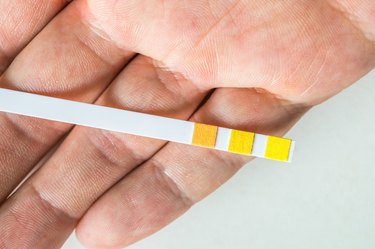
A blood test, or lipid panel, will help your pediatrician assess the different kinds of fats in your child's blood. According to the American Heart Association, children should maintain a normal triglyceride level of less than 150 mg/dL. Triglyceride levels between 150 to 199 mg/dL are considered borderline-high and anything above 200 mg/dL is considered high. If your child's triglyceride levels are high, he is most likely consuming more calories than his body needs. Children with high triglyceride levels should be rechecked every 3 to 6 months for lifestyle intervention. Your pediatrician may consider cholesterol-lowering medication for children over the age of 8 if diet and exercise modifications do not work.

Health Consequences

Abnormally high triglycerides in the blood are known as hypertiglyceridemia. High triglycerides, especially if not treated, are linked to the increased risk of serious health conditions such as hypertension, coronary heart disease and stroke. If high triglycerides are the consequence of other health conditions, the underlying problem should be treated first.

Treatment Goals

If your child has abnormally high triglycerides, the primary treatment goals are changes to lifestyle habits. Reduce the number of calories your child consumes each day by limiting foods high in cholesterol, saturated and trans fat. If your child will eat fish, include salmon, halibut, trout, herring and tuna in his diet regularly to promote his intake of omega-3 fatty acids. Limit your child's consumption of sugar sweetened beverages and commercially prepared baked goods. Choose healthier snacks such as fruits, vegetables, non-fat milk and whole grains. Select lean meats at meals. Make exercise a family affair; spend time together while getting physically fit.

References

Article reviewed by Mia Paul Last updated on: Jun 9, 2011

Must see: Photo Galleries