
















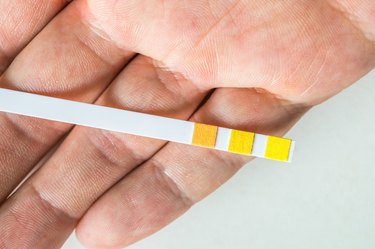












































Vitamin B-12 can be good for anxiety if you have a B-12 deficiency. If you have a poor diet, are a vegetarian, are older than 50, or if you have celiac disease or Crohn's disease, you are more likely to have a B-12 deficiency than the rest of the population. A blood test that your health care provider administers can detect whether you have a B-12 deficiency. However, if you suffer from anxiety, you may also need to explore other avenues such as psychological counseling.
Anxiety
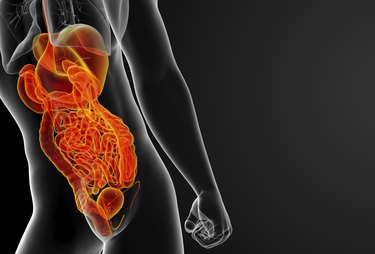
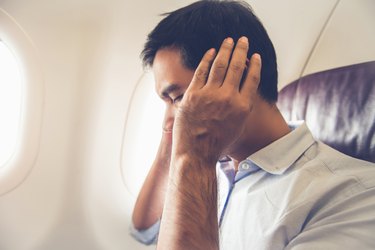
Having low levels of vitamin B-12 can contribute to anxiety. When you have anxiety, you feel fearful and apprehensive. In an effort to get relief, some people try to self-medicate by abusing drugs or drinking alcohol excessively. Physical symptoms can accompany anxiety, including twitching, headaches, sweating, dry mouth and abdominal pain. With anxiety, it is also possible to have dizziness, a rapid heart rate, rapid breathing, diarrhea, sleeplessness, irritability and sexual problems.
B-12 Deficiency
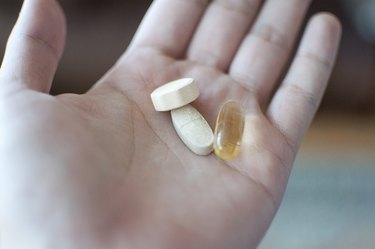
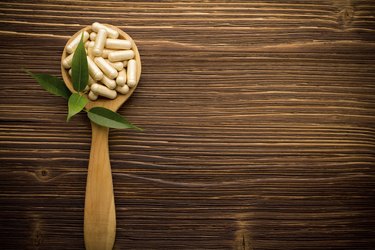
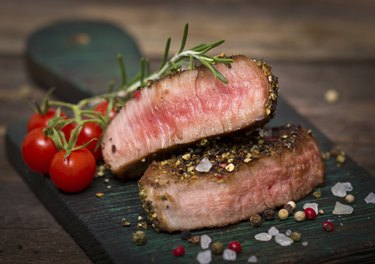
Deficiencies of several of the B vitamins, which are B-1, B-2, B-6 and B-12, lead to higher-than-normal levels of anxiety, according to Hara Estroff Marano of "Psychology Today." The B vitamins are part of the neurotransmitter production process, which regulates mood. If you have a B-12 deficiency, make dietary changes to help your body get its needed B-12. Eat poultry, meat, fish, shellfish, eggs, milk and fortified breakfast cereals. If that sort of diet is not possible for you, talk to your doctor about taking a daily B-12 supplement. Because B-12 can interact with certain medications and may be harmful in high doses, talking to your doctor first is necessary.
Anxiety and Depression
Depression causes feelings of hopelessness and sadness that persist for more than two weeks and affect a person's daily life. According to the Anxiety Disorders Association of America, depression and anxiety often go hand-in-hand. About half of all people who have a depression diagnosis also have an anxiety disorder. Although depression and anxiety are different disorders, the symptoms can be similar.
B-12 and Depression
The "Journal of Psychopharmacology" published findings regarding a link between B-12 levels and depressive patients. The findings also noted that people who eat a traditional Chinese diet high in folate -- found in vitamin B-12 -- had low lifetime rates of depression. A doctor may prescribe antidepressants to people who suffer from depression and anxiety disorders. More findings published in the "Journal of Psychopharmacology" found that treatment with folic acid improves the effectiveness of antidepressants.
References
- Mayo Clinic; What's the Relationship Between Vitamin B-12 and Depression?; Daniel K. Hall-Flavin; February 2011
- "The New York Times"; Stress and Anxiety; December 2008
- "Psychology Today"; Vitamins: Busy B's; Hara Estroff Marano; July 2004
- Anxiety Disorders Association of America: Depression
- "Journal of Psychopharmacology"; Treatment of Depression: Time to Consider Folic Acid and Vitamin B12; Alec Coppen; January 2005


