


































































Brain Damage From Mountain Climbing

Brain Damage From Mountain Climbing
Photo Credit Jupiterimages/Photos.com/Getty Images

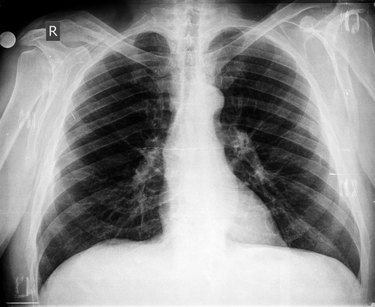
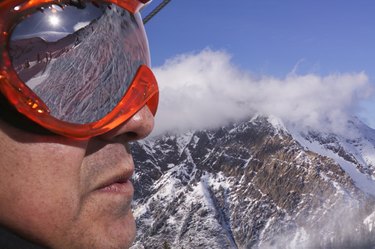
Mountain climbing presents more risks than falling from a great height. You might not be able to see any abnormalities with your naked eye, but when a mountain climber climbs into a MRI machine, the consequences of past high attitude experiences become clear: the sport takes a measurable toll on brain tissue. Results of neuropsychological tests, as well as brain scans, suggest that climbers lose brain cells and may experience problems with memory, planning and decision-making.

Thin Air

The problem with air at high altitudes is that there is not enough of it. Thin air means a low concentration of oxygen. The resulting medical condition is called hypoxia and it affects people differently. Some are incapacitated quickly. Others appear to be unaffected before, during and after their ascents. Those who become ill on the mountain develop acute mountain sickness with nausea, vomiting, fatigue and dizziness. This can advance to HACE, or high-altitude cerebral edema. The brain swelling that characterizes HACE can result in long-term brain damage and can be lethal.

Less-Obvious Effects

It is not possible to predict who will develop HACE, but it is easy to spot a person who is suffering from this mountain sickness. Neurologist Nicolás Fayed and his colleagues have shown, however, that most climbers -- even those who show no obvious symptoms -- suffer brain damage as a result of their high-altitude activities. According to the neurologists' February 2006 "American Journal of Medicine" report, Evidence of Brain Damage After High-Altitude Climbing By Means Of Magnetic Resonance Imaging, "only 1 in 13 of the Everest climbers had a normal MRI."

Brain Imaging Results

The researchers studied a total of 35 climbers -- a dozen professionals and the rest amateurs. None used supplemental oxygen. All the professionals and one amateur climbed the 8,848 meter-high Mt. Everest. Twenty healthy individuals served as controls. Eleven of the 12 professionals showed in their post-expedition examinations signs of brain atrophy affecting the cortex. They also developed enlargement of naturally occurring spaces in the brain near blood vessels. The results agree with other studies. In her October 2008 "New York Times" article, Mountain Climbing Bad for the Brain, Tara Parker-Pope summarized the results of several studies that revealed brain problems in people exposed to the extreme environmental conditions, including mountain climbing.

Amateur Versus Professional Climbers

Fayed and his co-authors detected lesions in the frontal lobes, beneath the cortex, in the one amateur who climbed Mt. Everest. The other amateurs in their study climbed peaks ranging in height from 4,810 meters to 6,959 meters. Thirteen of them developed high-altitude sickness and 10 developed enlargement of spaces near cerebral blood vessels. Brain scans revealed five cases of irreversible lesions beneath the cortex. Amateurs appear to be at greater risk for experiencing altitude illnesses. Professionals who spend more time climbing may avoid these acute illnesses but still end up with more brain damage. Over the course of their careers, professionals may suffer more brain atrophy due to longer exposure to hypoxic conditions.

References

Article reviewed by Leon Teeboom Last updated on: Jun 16, 2011

Must see: Photo Galleries