













































Reminiscence therapy is a sensory memory-based approach to psychotherapy that is widespread in the treatment of elderly patients with dementia and Alzheimer's disease. It is also used for patients who suffer from brain and nervous system damage. Administered in both group and individual settings, reminiscence therapy is intended to prompt, or "prime," forgotten memories, increase emotional awareness, and cultivate social interaction in elder care facilities, nursing homes and rehabilitative centers. Therapists use reminiscence kits, comprising tactile, olfactory, gustatory, visual and auditory cues, to prompt a patient's memory and open a therapeutic discussion.
Sight
The sight of a certain color or pattern can bring back memories from a patient's earlier life. Visual cues can also include photographs, magazines or films from a time that is significant to the patient. An image can bring autobiographical memories to a patient's attention, which is then elaborated on through a therapist's prompting and encouragement.
Smell
A smell has the power to take a person to another place and time in her life. Olfactory priming through food, perfumes or commercial items of a specific era can greatly enhance recall and prompt the patient to open discussion with her therapist or group members. Autobiographical stories surrounding a certain smell, such as a bouquet of flowers or a peach pie, can create emotional contact with a patient and group cohesion within a care facility.
Taste
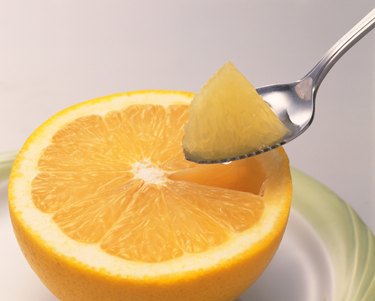
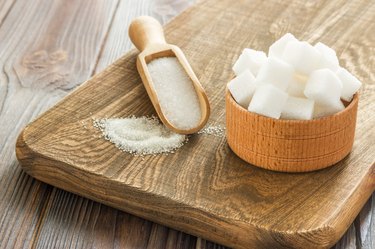
Gustatory priming can include era-appropriate recipes, soft drinks and spices. Therapists research the significant historical and demographic trends of a patient's life. Recipes and spices unique to the region and time of a patient's youth can be highly effective in prompting memories and stories.
Touch
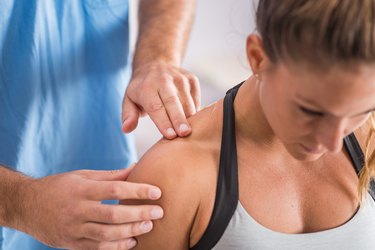
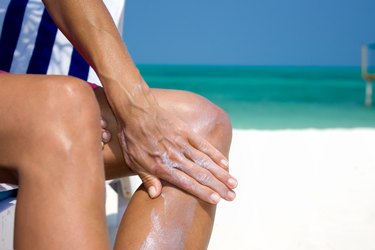
Items that engage the patient's tactile sense can include clothing, blankets, fabric swatches and fur, as well as occupation-specific items. For example, a patient who, as a young woman, worked in a bakery may have her memories primed by touching and rolling dough. An elderly patient who had a career as a teacher may have his memory primed when handed a piece of chalk.
Sound
Recordings of sounds and voices with personal, historical, occupational or geographic significance to the patient can be a powerful memory cue. In her text "Psychology: An Exploration," Saundra Ciccarelli points out that music is one of the most effective memory cues available. Carefully select musical cues that are chronologically appropriate to the patient, the Benevolent Society's "Reminiscing Handbook" recommends.
Reminiscence Kit
According to the "Reminiscing Handbook," a reminiscence kit should include carefully researched, era-appropriate items. Stimuli should have significance to the specific historical period, events and regions of the patient's life. These items should include stimulus for all five senses and be carefully selected for safety, keeping the patient's functional level in mind.
References
- "Group Work with Elders: 50 Therapeutic Exercises for Reminiscence, Validation and Remotivation "; Ann Link; 1997
- "Lifespan Development"; Robert S. Feldman; 2011
- "Handbook of Behavioral and Cognitive Therapies with Older Adults"; Dolores Ghallager Thompson et. al.; 2010
- "Psychology: An Exploration"; Saundra Ciccarelli et. al.; 2011
- "Remembering Yesterday, Caring Today: Reminiscence in Dementia Care: A Guide to Good Practice"; Pam Schweitzer et. al.; 2008
- "A History of Psychology: Main Currents in Psychological Thought"; Thomas H. Leahey; 1996


