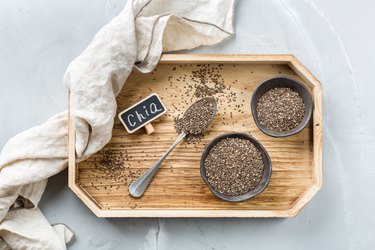
Often referred to as a "superfood," chia seeds are a great source of nutrients like fiber and protein. Plus, there are lots of delicious, healthy chia seeds recipes that make clean eating easier. Their calorie content is quite low, so go ahead and add these seeds to your favorite treats.
Tip
According to the USDA, 1 tablespoon of chia seeds provides about 69 calories, 2.3 grams of protein and 4.9 grams of fiber.
Video of the Day
Chia Seeds Nutrition Data
Chia seeds are an ancient grain that is becoming extremely popular. An April 2016 review in the Journal of Food Science and Technology states that 65 percent of their oil content consists of alfa-linolenic acid. This compound makes chia seeds an excellent source of omega-3s. Researchers also note that this fatty acid has been associated with a large number of beneficial effects on asthma, cardiovascular disease, diabetes and inflammatory bowel syndrome.
Video of the Day
According to a March 2016 study published in Nutrients, omega-3 fatty acids may benefit cardiovascular health in humans and other animals. Chia seeds are also a source of antioxidants, such as chlorogenic acid, caffeic acid, myricetin and quercetin. Quercetin, which is a polyphenol derived from plants, has a wide range of biological benefits, including anti-carcinogenic, anti-inflammatory and antiviral activities.
Chia seeds are also a complete protein, meaning they contain all nine essential amino acids that cannot be made by your body. These compounds aid in growth and development, tissue repair and nutrient absorption and other vital processes. On top of that, chia seeds' calories are negligible, so they fit into most diets. Each serving provides fewer than 140 calories.
Read more: How Much Chia Seed Should Be Eaten?
Risks of Too Much Fiber
Chia seeds are a good source of dietary fiber. As the Mayo Clinic notes, this nutrient may aid in digestion, lower cholesterol levels, help control blood sugar levels and make it easier to maintain a healthy weight. Eating too much fiber, though, may cause more harm than good.
These small seeds contain between 34 and 40 grams of fiber per 100 grams, as reported in the Journal of Food Science and Technology review. That's slightly more than the daily recommendations for healthy adults. They are higher in fiber than quinoa, flaxseeds and amaranth. However, one serving of chia seeds is just 1 ounce and provides about 9 grams of fiber.
The type of fiber found in chia seeds is soluble, meaning that it dissolves in water to form a thick gel-like substance in the stomach. High-fiber foods may act as a natural remedy for gastrointestinal diseases. However, they are not a cure-all.
Dietary fiber is a type of carbohydrate found in plant foods that is bound together in such a way that it cannot be easily digested in the small intestine. So while it promotes intestinal regularity and may lower the risk of developing heart disease, according to the Journal of Food Science and Technology review_,_ some risks may arise from eating too many chia seeds.
According to the University of California San Francisco, your total dietary fiber intake should be between 25 and 30 grams a day. There are some possible chia seeds side effects for people with irritable bowel syndrome or diverticulitis. If you have these conditions, you should consult your doctor before adding these seeds to your diet. When you increase your fiber intake too quickly or eat too much of it, you may experience gas, bloating and cramps.
Read more: 19 High-Fiber Foods — Some May Surprise You!
Try These Chia Seeds Recipes
Chia seeds are incredibly easy to incorporate into recipes as they have little to no taste. You can include them in recipes for smoothies, puddings and other baked goods, including:
- Chia seed smoothies: Nutritious smoothies can make for a quick start to the morning and taste delicious. Chia seeds can give them a thicker consistency and boost their nutritional value. Pick your favorite fruits, vegetables and liquid and blend everything with 1 or 2 tablespoons of chia seeds for extra nutrition.
- Chia seed pudding: Puddings make it easy to incorporate chia seeds into your diet and take minutes to prepare. Just add the seeds and a sweetener of your choice to your preferred liquid (such as almond milk or any other milk) and leave in the fridge overnight.
- Chia seed baked goods: These are a fun way to get more chia seeds into your diet — and you won't notice any changes in taste. From easy muffins and scones to cookies and homemade bread, there are hundreds of chia seeds recipes for baked goods. Your imagination is the only limit.
- U.S. Department of Agriculture: "Seeds, Chia Seeds, Dried"
- Journal of Food Science and Technology: "Nutritional and Therapeutic Perspectives of Chia (Salvia hispanica L.): A Review"
- U.S. National Library of Medicine: PubChem: "Chlorogenic Acid"
- U.S. National Library of Medicine: PubChem: "Caffeic Acid"
- Nutrients: "Myricetin: A Dietary Molecule With Diverse Biological Activities"
- Nutrients: "Quercetin, Inflammation and Immunity"
- Mayo Clinic: "Dietary Fiber: Essential for a Healthy Diet"
- U.S. Food and Drug Administration: "Dietary Fiber"
- University of California San Fransisco: "Increasing Fiber Intake"
- International Foundation for Gastrointestinal Disorders: "Dietary Fiber"
- Duke University Student Affairs: "Fiber-How"
- U.S. National Library of Medicine: "Amino Acids"
- USDA: "Cooked Quinoa"
- USDA: "Flaxseeds"
- USDA: "Amaranth"