











































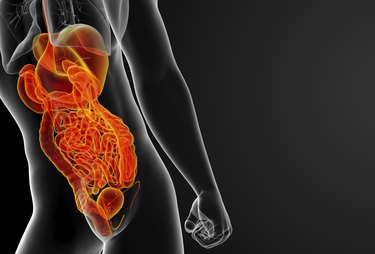

























The liver--an organ found under the diaphragm and on top of the stomach, right kidney and intestines--is known to be responsible for more than 500 vital functions in the human body. Two of the most well-known functions of the liver are processing the blood that leaves the stomach and intestines to break down nutrients and producing bile to remove waste from the body. Abnormal liver function--which can be indicated by an increase in two enzymes known as Alanine transaminase (ALT) and Aspartate transaminase (AST)--can result from many different diseases and conditions.
Hepatitis
There are three different types of hepatitis. Hepatitis A is a food-borne illness; hepatitis B is a preventable viral infection; and hepatitis C is a potentially serious infection spread through contaminated blood. Infection with a hepatitis virus causes inflammation of the liver that if left untreated, or in the case of a chronic hepatitis C infection, can result in cirrhosis (scarring) of the liver that interferes with its functions.
Nonalcoholic Fatty Liver Disease
Nonalcoholic fatty liver disease, a condition that affects 2 percent to 5 percent of Americans as reported by the National Digestive Diseases Information Clearinghouse, is the accumulation of fats in the liver of someone who drinks little to no alcohol. During digestion, the liver is responsible for breaking down fats carried from the small intestine. Although the cause is not known, the liver may have trouble breaking down those fats. This results in a buildup of fat in the liver and can lead to cirrhosis of the liver, interfere with normal liver functions, and in severe cases (known as nonalcoholic steatohepatitis) result in liver failure.
Celiac Disease
Celiac disease occurs when the body is unable to tolerate gluten, a protein found in wheat, rye and barley. When gluten is ingested, the immune cells respond by destroying the villi (small, hair-like projections) in the small intestine. Because the villi are vital to nutrient absorption, nutrients are not absorbed. This results in bowel problems such as chronic diarrhea. Patients with celiac disease often develop chronic liver inflammation that can result in cirrhosis and abnormal function. The exact reason celiac disease affects the liver is not fully understood, but a study published in the Symposium in Hepatology and Gastroenterology II suggests that the damage to the lining of the intestines caused by celiac disease may trigger an immune response against enzymes in the liver.
Hypothyroidism
Hypothyroidism is a condition characterized by low levels of the thyroid hormones, thryoxine (T4) and triiodothyronine (T3). These thyroid hormones are essential to the normal growth and development of all cells throughout the body, including hepatocytes (which are liver cells). A low level of thyroid hormones in the bloodstream is associated with a decrease in bilirubin (a substance produced in the liver and found in the bile) production and reduced bile excretion, as reported in a study published in the Oxford Journal.


