





























































Symptoms of bad posture may be isolated, as in habitual slumping in a favorite chair or may be related to a larger skeletal problem. While poor back posture creates its own stresses on the rest of your bones and joints, those areas may, in turn, be affecting your sitting, standing or sleeping posture. If you are suffering from back pain or a decline in appearance, it may be time to get a chiropractor's or osteopath's evaluation to avoid further physical damage.
High-Heeled Shoes
The American Chiropractic Association points to high-heeled shoes as a common cause of poor back posture. A severe and abnormal change in the angle of your feet misaligns your entire skeleton, changing your hip angle and placing more strain on the reduced weight-bearing area of your feet. Back pain and knee pain are common symptoms.
Long-term use of high heels can induce potentially painful foot conditions, such as bunions, in which pressure on the big toe causes excessive bone growth. Doctors at the Mayo Clinic report that medication, orthopedic shoes and even surgery may be necessary treatments.
Bad Posture Habits
Bad back posture that develops from habitual positions or movements can be detrimental to the entire skeletal system, eventually causing the appearance of premature aging. Gravity takes a toll on the body over time, and conditions such as osteoporosis and a loss of muscle tone may cause bad posture in older people.
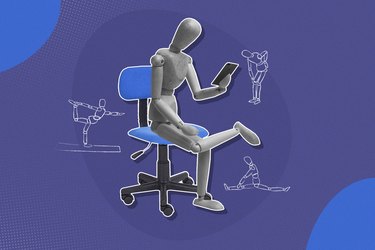
The American Physical Therapy Association notes that exaggerating the spine's natural arches when sitting or standing can become an unhealthy pattern. Habitually carrying yourself out of alignment, with shoulders or head too far forward or back, or the spine unnaturally arched, may hasten the work of gravity. Chronic neck, leg and back pain may accompany this change in position.
Bone Degeneration
Bad posture habits can create some of the same problems related to bone diseases such as scoliosis and osteoarthritis. These conditions are also known as secondary causes of bad back posture itself. Scoliosis creates abnormal alignment by increasing the usual angles of the spine. Osteoarthritis does so as well as bones break down.
A slouching posture due to any of these reasons may cause further bone and joint degeneration, which increases neck and back pain, and may result in bone, joint or vertebral fractures. The Mayo Clinic reports that these symptoms have additional repercussions, such as pressure on internal organs or the spine that may eventually require surgery.


Member Comments