





































































Lactose Intolerance

Reasons for the Inability to Digest Cheese

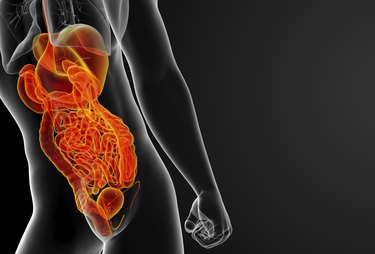
If you experience unpleasant side effects when you eat cheese, you might have lactose intolerance. Unlike a milk allergy, which affects the nervous system and causes symptoms like runny nose, cough and rashes, lactose intolerance affects the digestive system, which is why it causes gastrointestinal problems with digestion of cheese and other products that contain lactose.

All About Lactose Intolerance

Goat's Milk & Diarrhea in Toddlers

Goat's milk is sometimes given to toddlers instead of cow's milk as it contains fats that are more easily digestible. However, if your toddler is lactose intolerant or allergic to milk, it may still cause diarrhea or other unfa...

What Is the Normal Amount of Lactose That Can Be Digested?

Lactose-intolerant people lack the enzyme lactase, which breaks down lactose so your body can absorb it. People differ in their ability to digest lactose; there is no standard amount of lactose that a person can digest. Lactose...

Does Browning Butter Break Down Lactose?

The carmelization that occurs in butter at temperatures above 200 degrees Fahrenheit causes changes called the maillard reaction that has an effect on the components of lactose, but heating doesn't change the nutritional prope...

A Secondary Nutritional Deficiency

Secondary nutritional deficiencies occur when illnesses, diseases or organ failure prevent the body from receiving nutrients from the food you eat. According to the World Health Organization, more than 792 million people are es...

Reflexology & Lactose Intolerance

Reflexology is often given alongside tough medical treatments to help alleviate some of the unpleasant symptoms, and some people use reflexology as a way to prevent health problems. While some may seek reflexology as a way to &...

Lactose Intolerance & Running

Lactose intolerance is a condition which affects around 30 million adult Americans. It is the inability to digest lactose -- the sugar found in dairy products. While the condition doesn't have any direct link with running, many...

Can Liver Problems Cause Lactose Intolerance?

Severe liver problems can, in some cases, cause lactose intolerance, a disorder that occurs when your intestines don't produce an enzyme called lactase. Liver problems can lead to bacterial overgrowth in the small intestine, w...

Lactose Intolerance After Rotavirus

Children most commonly experience this infection before age 5, and will develop immunity to the virus after becoming ill with the virus the first time. After your child has recovered from the virus, he may experience a surprisi...

Thyroid Disease & Lactose Intolerance

At first glance, there may seem to be no connection between thyroid disease and lactose intolerance. Thyroid disease is an immune system disorder; the body mistakenly recognizes a gland or tissue such as the thyroid as an ̶...

Can Lactose Intolerate People Drink Sweet Acidophilus?

Sweet acidophilus milk typically is well-tolerated by people who are lactose intolerant, but you should talk with your doctor before consuming the beverage. Sweet acidophilus milk is milk that has had the bacteria acidophilus a...

Can an Eight-Year-Old Develop Lactose Intolerance?

Lactose intolerance is characterized by the inability to digest lactose, the sugar in milk and other dairy products. It can occur if your child does not make enough lactase in his body, an enzyme that helps to digest lactose. A...

Bloating and Fatty Stool

Bloating and fatty stool -- stools that are foul-smelling, greasy and usually rather large in volume -- are common digestive symptoms that usually indicate some type of malabsorption. The Merck Manual defines malabsorption as t...

How to Plan a Lactose Intolerant Menu for Kids

Menu planning for a lactose-intolerant child means more than cutting milk and dairy out of the diet. Lactose, a sugar found in milk and milk products, lurks in many other kid-friendly foods as well, from cookies and breads to p...

How to Test for Lactose Intolerance Using Cheese

Lactose intolerance is an inability to digest a sugar found in dairy products, known as lactose. This is due to a lack of a certain enzyme, known as lactase. You might have been born without the ability to produce this enzyme, ...

Can Stomach Cramps be Caused by Lactose Intolerance?

You are lactose intolerant if two conditions are true: Your digestive system is unable to break down milk sugar -- lactose -- into energy, and you experience the symptoms associated with lactose intolerance. If you develop stom...

Lactose Intolerance and Drinking Different Kinds of Milk

A natural sugar, lactose occurs in milk and other dairy products. People who cannot digest the substance often have lactose intolerance, which affects up to 50 million Americans, according to the U.S. Food and Drug Administrati...

Lactose-Intolerant-Friendly Meals

Between 30 million and 50 million Americans suffer from lactose intolerance, an inability to digest a sugar unique to milk and dairy-based products such as cheese and yogurt, according to Kids Health. While lactase enzyme pills...

Can Lactose Intolerance Cause a Lack of Sleep?

Lactose intolerance, or lactase deficiency, refers to a condition where your body produces insufficient amounts of the enzyme lactase. When you drink milk, or milk products, with this condition you may experience a variety of s...

Can Cheese Cause Lactose Intolerance?

Cheese does not cause lactose intolerance, but eating cheese if you’re intolerant of lactose can cause digestive symptoms. Lactose intolerance is the result of a deficiency in lactase, an enzyme needed to break down lacto...

Lactose Intolerance in Infants and Breastfeeding

Breast milk contains lactose, a sugar found in all types of milk and milk-based formula. The enzyme lactase, produced in the small intestine, digests the lactose in milk. Infants with lactose intolerance do not produce this enz...

Lactose Intolerance in Kids

Lactose is a type of sugar that is found in milk and other dairy products. Some people experience painful symptoms after consuming dairy due to lactose intolerance. Although it is most common in older adults, lactose intoleranc...

Can Chocolate Cause Lactose Intolerance?

Lactose is a type of sugar in milk and dairy products. When you have lactose intolerance, your body is unable to adequately digest this sugar. The result is an uncomfortable buildup of gas or other gastrointestinal symptoms. Ea...

Acute Gastroenteritis and Lactose Intolerance

While a bout of gastroenteritis, also known as stomach flu, can cause enough misery on its own, it can also leave you with another source of stomach trouble. Many people develop temporary lactose intolerance, an inability to br...

Lactobacillus Sporogenes & Lactose Intolerance

Bacteria like lactobacillus are considered friendly to your system. They help your body break down food, digest nutrients and fight off harmful organisms. Lactobacillus is useful in treating conditions such as diarrhea, irritab...

Does Greek Yogurt Cause Lactose Intolerance?

Bloating, diarrhea and stomach pain from eating Greek yogurt may be a sign of lactose intolerance. Most cultured dairy products such as Greek yogurt have significantly less lactose, a sugar found in milk, than other dairy produ...

Are Swollen Ankles a Sign of Lactose Intolerance?

Lactose intolerance can cause a variety of mild to severe symptoms that are usually relieved by reducing or eliminating consumption of certain foods and beverages. However, if you have swollen ankles it is best to consult your ...

What Are the Symptoms of Being Lactose Intolerant?

If you suffer from painful gas, bloating, cramps, nausea or diarrhea within two hours of eating dairy products, you might be lactose intolerant. People with lactose intolerance are unable to digest and absorb lactose, the sugar...

Lactose Intolerance and Herbs

The cells in the small intestine produce an enzyme known as lactase that breaks down the lactose so your body can absorb it. Lactose intolerance occurs when your body fails to produce enough lactase. To treat the symptoms of la...

The Signs & Symptoms of Lactose-Intolerant Babies

Lactose intolerance is a condition in which the body is unable to digest the simple sugar lactose, which is commonly found in milk and other dairy foods and drinks. Lactose is also present in breast milk and baby formula. The s...

Lactose Intolerance & Hot Weather

Hot weather may prompt increased consumption of cold drinks and ice cream treats. However, sugary, milk-based drinks and treats can present a big problem for those with lactose intolerance. Between 30 and 50 million Americans h...

A Meal for the Lactose Intolerant for Dinner

While some people can't go a day without ice cream, others can't eat a single bite without developing stomach pains, bloating and diarrhea. Lactose intolerant people are unable to digest a type of sugar called lactose, which is...

Is Thrush Related to Lactose Intolerance?

Thrush and lactose intolerance are not related, but both can be helped by the same type of probiotic bacteria, Lactobacillus. Thrush is a sign of a bacterial overgrowth -- specifically of the yeast-like microbe Candida albicans...

Can Lactose Intolerance Cause Adult Acne?

Adults can get acne all the way into their 50s and there are different types of adult acne, according to the American Academy of Dermatology. The type of treatment method depends on the type of acne. Lactose intolerance, food ...

Ortho Novum & Lactose Intolerance

Lactose intolerance affects up to 50 million Americans, according to the University of Maryland Medical Center. This disorder causes a variety of digestive symptoms that occur when you consume specific products, such as milk, U...

Can Whey Protein Cause Lactose Intolerance?

Lactose intolerance develops when the body can't properly process a sugar in milk and other dairy products called lactose. People who have this disorder have insufficient internal supplies of an enzyme called lactase. Whey prot...

Is Lactose Intolerance Connected With Thrush in Babies?

The body uses specific gastrointestinal enzymes to help digest food; the various types of foods have different enzymes that facilitate absorption. Foods that contain lactose, such as milk and milk products, need a specific enzy...

Lactose Intolerant GI Symptoms in Toddlers

Most people are born with the ability to digest lactose, the milk sugar found in breast milk, cow's milk and other dairy products. Infants get almost all their nutrition from milk during their first few months of life. But as t...

Congenital Lactose Intolerance

Although lactose intolerance in adults is a common disorder and occurs in approximately 65 percent of the world's population, congenital lactose intolerance is extremely rare. It is more prevalent in the Finnish population, whe...

Pregnancy-Induced Lactose Intolerance

Pregnancy-induced lactose intolerance isn't a well-documented condition, yet many women report symptoms associated with this food intolerance while pregnant. They have nausea, bloating, diarrhea and abdominal pain whenever they...

Lactose Intolerance in Infants, Children & Adolescents

Lactose intolerance occurs when a child's body doesn't produce enough of the enzymes needed to digest lactose, the sugar found in milk products. Infants, children and adolescents can suffer from the condition to varying degrees...

How to Take Digestive Enzymes for Lactose Intolerance

This enzyme breaks down the sugar in milk. People with lactose intolerance also have difficulty digesting cheese, ice cream and processed foods that contain even small amounts of dairy. Symptoms of lactose intolerance include g...

Lactose Intolerance & Candy

If you have difficulty digesting milk, you're not alone. An estimated 30 to 50 million Americans are considered lactose intolerant, or have an inability to digest the sugar in milk, according to the National Institutes of Healt...

Types of Lactose Intolerance

Lactose intolerance is a digestive condition characterized by an inability to properly digest the milk sugar lactose. Those with lactose intolerance experience pain, bloating, gas and diarrhea within 30 minutes to two hours aft...

Lactose Intolerance Vs. Calcium Intolerance

Lactose intolerance is an inability to properly digest milk sugar in dairy, whereas calcium intolerance is an inability to fully digest calcium. It's highly unlikely that you'd develop intolerance to calcium. Most food intolera...

Bloating and Lactose Intolerance

Lactose intolerance is an inability to digest lactose, or milk sugar, because of a deficiency of the enzyme lactase. This condition creates a variety of gastrointestinal symptoms including bloating, diarrhea, gas and abdominal ...

Does Yogurt Solve Lactose Intolerance in Seniors?

Lactose intolerance is a chronic condition characterized by your inability to digest lactose, the carbohydrate found in milk. It is a common condition that occurs most often in adults, with an increase in occurrence as you age,...

Lactose Intolerance After a Stomach Virus in Babies

If your baby has recently has a stomach virus and is exhibiting symptoms like green, frothy stool and diarrhea, his pediatrician might diagnose him with lactose intolerance. This condition is different from normal lactose intol...

Yogurt Brands & Lactose Intolerance

It seems counterintuitive that yogurt, a milk product, can be used to combat the effects of lactose intolerance, which is an inability to properly digest milk sugar, or lactose. But in some cases, it can. Certain types of benef...

Can Adults Develop Lactose Intolerance?

Lactose intolerance causes gas, bloating, diarrhea, and abdominal cramping in 30 million to 50 million Americans of all ages, according to the University of Maryland Medical Center. Risk factors include aging, intestinal inju...

Signs & Symptoms of a Toddler Who Is Lactose Intolerant

Lactose is a sugar found in milk and other dairy products. Though infants are born able to digest lactose from breast milk, some children may develop lactose intolerance as they enter their toddler years. Lactose intolerance is...

Chevre & Lactose Intolerance

An inability to digest lactose, or milk sugar, leaves many adults unable to enjoy milk, ice cream, cheese and other dairy products. Lactose intolerance is more common among those of Asian, African, Hispanic or Native American d...

The Side Effects of Lactose Intolerance in Babies

Lactose intolerance is a lack of lactase, or the enzyme that digests lactose, according to Judith Lauwers, author of "Counseling the Nursing Mother." This lack of lactase means the infant cannot digest her milk or formula, says...

Steatorrhea & Lactose Intolerance

Some people have to be very careful about the foods they eat because it can cause gastrointestinal distress that may lead to malabsorption. If you are lactose intolerant or suffer from steatorrhea, you need to be extra cautious...

People With a Lactase Deficiency

Lactose, which is the only sugar of animal origin, is the principal carbohydrate found in milk. Lactose is a disaccharide composed of two simpler monosaccharides -- galactose and glucose -- and it cannot be absorbed intact thro...

Lactose Intolerance and Mental Disorders

If you have lactose intolerance, you cannot digest foods that contain lactose, the sugar in milk and foods made with milk. Research presented at an international conference of physicians and researchers in 2011 indicates that s...

Temporary Lactose Intolerance in Toddlers

Although this condition might last only a few weeks, it is important that kids still get the required amount of calcium. If your toddler has frequent episodes of lactose intolerance, talk to a physician.

Acidophilus for Lactose Intolerance

If you've been diagnosed with lactose intolerance, you know how difficult it can be to give up dairy completely. Several alternatives to traditional cow's milk exist to help you continue to enjoy your morning breakfast cereal, ...

Lactose Intolerance Symptoms & Weight Gain

Lactose intolerance describes a digestive disorder that occurs when the cells lining the small intestine fail to produce adequate amounts of the enzyme lactase. Milk and other dairy products contain a sugar known as lactose. Be...

Lactose Intolerance and Gastritis

The National Digestive Diseases Information Clearinghouse reports that digestive diseases affect 60 to 70 million people in the U.S. Two common digestive disorders, lactose intolerance and gastritis, share similar symptoms but ...

Are Gluten Intolerance & Lactose Intolerance Linked?

Celiac disease is characterized by gluten intolerance resulting in inflammatory damage to the small-intestinal mucosa. If you are gluten-intolerant, you may develop lactose intolerance if the cells in the body that break down l...

Lactose Intolerance & Public Health Reports

Lactose intolerance is a common digestive disorder in which the affected person cannot properly break down a sugar called lactose, which is found in milk and dairy products. Although public health authorities agree it is a genu...

Lactose Intolerance and Giardia

Lactose intolerance and giardia are two conditions that produce very similar symptoms, but they have different causes. Lactose intolerance is a chronic digestive condition that has no cure, while giardia is caused by a parasite...

Desserts for Diabetics & Lactose Intolerance

If you are diabetic and lactose intolerant, you may wonder if you can eat dessert. While your options aren't as numerous as a typical eater, many treats are available that won't compromise your health. Some premade products are...

Healthy Meals for Lactose Intolerant Toddlers

If your toddler has been exhibiting symptoms like diarrhea, abdominal pain, cramping, bloating or gas after drinking milk or eating dairy foods, she may be lactose intolerant. Lactose intolerance is the inability to fully diges...

Lactose Intolerance & the Maker's Diet

Rubin claims that many lactose intolerant individuals benefit from eating a more natural diet including goat milk and lacto-fermented dairy products, which contain less lactose and are more easily digested.

Lactose Intolerance & Hearing Loss

Coincidentally, many people begin to lose their ability to digest lactose as they age as well, making it seem as though there's a link between lactose intolerance and hearing loss. There is not, however.

Lactose Intolerance & Anxiety

Lactose intolerance is a digestive disorder that results from an inability to produce sufficient quantities of the digestive enzyme lactose. While it's certainly possible to have both lactose intolerance and anxiety, there's no...

Lactose Intolerance & Fat

Produced by the cells in the small intestine, lactase splits the disaccharide lactose into glucose and galactose. Lactose intolerance occurs when an insufficient production of lactase allows undigested lactose to pass on to the...

Lactose Intolerance & Autism

It's understandable that you'd want to look for any way possible to reduce your child's chances of developing autism, but there's no established link between autism and lactose intolerance.

Lactose Intolerance & Leg Cramps

Lactose intolerance and leg cramps -- especially nighttime leg cramps -- are two irritating conditions that you become more likely to experience as you age. Even though they can seem to be related because of when you develop th...

Lactose Intolerance & Multiple Sclerosis

Lactose is the sugar found in milk and milk products, and if you are lactose intolerant, you are unable to digest this sugar without it causing discomfort because your body is deficient in lactase, an enzyme that breaks down th...

Lactose Intolerance & Eczema

Lactose intolerance results from the inability to digest lactose, which is the sugar in milk. If you have discomfort -- including eczema -- when you drink milk, you may think you're lactose intolerant. However, eczema isn't a s...

Lactose Intolerance and Weight Gain in Adults

This is not the case; if anything, such a disorder would have the opposite effect. Having lactose intolerance can't cause you to gain weight, but it can cause a variety of other symptoms.

Why Does Lactose Intolerance Cause Diarrhea?

Abdominal cramping, nausea and diarrhea are unsettling symptoms related to lactose intolerance. Lactose intolerance is the inability to digest lactose, a form of sugar, found in milk products. Excessive diarrhea secondary to la...

Lactose Intolerance & Osteoporosis

When you consume dairy products, you may experience symptoms such as diarrhea and stomach cramps. People with lactose intolerance need to take care to consume sufficient calcium to prevent osteoporosis because they often avoid ...

Liquid Calcium for Lactose Intolerance

Lactose intolerance can cause you to need to follow a special diet to help prevent symptoms associated with your condition. This can lead to deficiencies in several minerals, including calcium. If you are lactose intolerant, ta...

What Happens If You Don't Treat Lactose Intolerance?

If you have lactose intolerance, you can't digest the naturally occurring sugars that are usually found in dairy products such as milk and cheese. Lactose intolerance isn't life-threatening, and MayoClinic.com states that it's ...

Temporary Lactose Intolerance

Stomach pain, cramps, gas, bloating and diarrhea that occurs after you have eaten dairy products might indicate that you have lactose intolerance. Simply put: Your body is not able to digest milk, cheese, yogurt and other dairy...

Lactose Intolerance & Irreversible Enzymes

Lactose intolerance is the inability to digest lactose, the carbohydrates in milk. It is caused by the deficiency of the enzyme lactase, and consuming dairy products when you're lactose intolerant results in abdominal pain, blo...

Primary Lactose Intolerance

People with lactose intolerance aren't able to digest milk and other dairy products because their small intestines don't make enough of an enzyme called lactase. Normally, lactase breaks down lactose, or milk sugar, into two s...

Formulas for Lactose Intolerance

Lactose intolerance is the result of a deficiency in the lactase enzyme necessary to help break down and digest lactose, a sugar most commonly found in dairy products. Although not a common condition for infants, lactose intole...

Can a Lactose Intolerant Person Have Ice Cream?

As many as 50 million Americans suffer from lactose intolerance. It particularly affects Native American, Asian-American and African-American people, according to the Ohio State University Medical Center. In general, lactose in...

Links Between Lactose Intolerance & Eczema

Lactose intolerance and eczema are both treatable conditions. Lactose intolerance is a digestive food intolerance; eczema is a skin condition. Maternal studies suggest that the two may linked in infants and children. However, t...

Alcohol Consumption & Lactose Intolerance

Drinking alcohol will not cause lactose intolerance symptoms unless the alcoholic beverage contains dairy. Some alcoholic beverages, such as pina coladas, white Russians and cream liquors contain dairy, which means they also co...

Lactose Intolerance & a Red Face

Lactose intolerance can cause a variety of gastrointestinal symptoms, such as bloating, gas and diarrhea, but will not cause your face to turn red. If your face turns red along with common lactose intolerance symptoms after con...

Do Lactose Intolerance Pills Affect Other Medicine?

Lactose intolerance is a health problem that only causes problems if you consume dairy products. Lactose intolerance can be treated with medications that help break down the compounds that trigger this condition. The medication...

Extreme Lactose Intolerance

Lactose is the sugar found in milk and all dairy products. Some people are unable to digest lactose, leaving them with a condition called lactose intolerance. Consuming enzymes can often control this very uncomfortable and emba...

Lactose Intolerance: Length of Symptoms

The enzyme lactase is necessary to digest lactose, the natural sugar present in many dairy products. When you are lactose intolerant, you have low levels of lactase and also experience uncomfortable and often embarrassing symp...

Diseases of Lactose Intolerance

Low amounts of the enzyme lactase in the gastrointestinal system can lead to a condition called lactose intolerance, according to MayoClinic.com. If you have lactose intolerance, you often develop gas, bloating and diarrhea whe...

Psyllium & Lactose Intolerance

While psyllium does not contain any lactose, you may experience symptoms that are similar to lactose intolerance if you are allergic or intolerant to the proteins in the psyllium. Lactose intolerance and psyllium supplements ha...

Lactose Intolerance & B2 Deficiency

Lactose intolerance is characterized by an inability to digest lactose, the sugar found in milk and milk products. When someone with lactose intolerance consumes lactose, it results in uncomfortable digestive symptoms, such as ...

Dietary Needs for People With Lactose Intolerance

Lactose intolerance is a condition in which you can't digest lactose, the sugar found in milk and dairy products. People who are lactose intolerant lack sufficient amounts of lactase, the enzyme that breaks down lactose during ...

Sorbitol & Lactose Intolerance

Sorbitol is a natural sugar-alcohol, or polyol, naturally found in some fruits but also used as a sweetener in sugar-free products, while lactose is mostly found in dairy products. These two short-chain sugars share the particu...

Advantages of Lactose Intolerance

Lactose intolerance means that your body doesn't produce enough lactase enzyme to absorb the lactose, a natural sugar found in dairy products. As a result, you may experience bloating, foul-smelling gas and diarrhea. The good n...

Lactose Intolerance Later in Life

Lactose intolerance means that you do not produce enough lactase enzyme in your small intestine to properly digest lactose, a natural sugar in many dairy products. As a result, eating dairy can cause bloating, foul-smelling gas...

Lactose Intolerance & Gastroenteritis

Lactose intolerance is a common condition in which the sugar in milk and other dairy products can't be fully digested. It is sometimes triggered by gastroenteritis, an inflammation of the gastrointestinal, or GI, tract, accordi...

Migraine & Lactose Intolerance

Charles Darwin, the 19th century biologist who was behind the theory of evolution, was diagnosed with several afflictions during his lifetime, including lactose intolerance. Findings presented at the 2011 Historical Clinicopath...

What Are the Benefits of Lactose Intolerance?

Lactose intolerance is one of the more common food intolerances, and results in digestive upset when you consume dairy. If you're lactose intolerant, you may be wondering whether your condition carries with it any hidden benefi...

Lactose Intolerance Symptoms in Newborns

Lactose intolerance is the body's inability to break down the simple sugar called lactose. It occurs when the small intestine can't produce sufficient amounts of lactase, an enzyme that helps to digest lactose. While healthy ba...

How Can Lactose Intolerence Be Treated?

Lactose is a type of sugar found in milk, cheese, ice cream and other dairy foods. When you are diagnosed with lactose intolerance, it means that you have to make some lifestyle changes, since your body cannot digest lactose. W...

Lactose Intolerance & Arthritis

Lactose intolerance does not cause or affect arthritis. Lactose intolerance affects the digestive system and does not cause inflammation in any other portion of the body, such as the joints. Kids Health states that lactose into...

Lactose Intolerance in the Body

Lactose is found in most dairy products such as cheese or milk. Lactose intolerance manifests differently in the body than a milk allergy. Pay attention to your body's response to best manage your dairy intake.

Lactose Intolerance in Seniors

Abdominal pain, bloating, gas, diarrhea and nausea are common symptoms of lactose intolerance. Lactose intolerance can occur at any age, but is more common in adulthood. If you suspect you are lactose intolerant, you should spe...

Lactose Intolerance & Chemo

Chemotherapy is designed to interfere with some aspect of metabolism in such rapidly dividing cells, which accounts for both its clinical effectiveness and its various side effects, including "induced" lactose intolerance.

Lactose Intolerance & Stomach Inflammation

Lactose is an enzyme found in milk and other dairy products. Some people have issues consuming products that contain lactose. This difficulty may be part of a medical condition called lactose intolerance. If you are lactose int...

Is Iron Deficiency Linked to Lactose Intolerance?

As much as 75 percent of the world's population has lactose intolerance, according to the Toronto Vegetarian Association. Lactose intolerance normally occurs as an inherited condition caused by lack of an intestinal enzyme, lac...

Does Lactose Intolerance Occur Mostly in Males or Females?

Lactose is a form of sugar found in milk products. Some people lack the enzyme that enables the body to break down this sugar. Symptoms of lactose intolerance include gas, nausea, diarrhea and bloating within 30 minutes to two ...

Pediatric Lactose Intolerance

Children with lactose intolerance can't fully enjoy a bowl of ice cream or a cheese pizza. That's because symptoms of physical discomfort usually occur shortly after eating these foods. About 1 out of 10 Americans suffer from l...

Can You Have Lactose Intolerance Without the Diarrhea?

Lactose intolerance is the inability to digest milk sugar due to a deficiency of lactase, the enzyme needed to break down lactose. According to the National Institutes of Health, symptoms occur as a result of the undigested lac...

Acute Lactose Intolerance

Acute lactose intolerance is a temporary digestive disorder in which your body has trouble digesting lactose, the type of sugar present in milk and other dairy products. To properly digest lactose, your small intestine needs to...

Lactose Intolerance & Rash

Lactose intolerance does not cause rashes. If you develop a rash after consuming dairy products along with common lactose intolerant symptoms, you most likely have a milk allergy. MayoClinic.com states that lactose intolerance ...

The Development of Lactose Intolerance in Pregnancy

Lactose intolerance -- the inability to tolerate foods containing the sugar lactose, which is found in dairy products -- develops over time. Although lactose intolerance can be hereditary, the disorder rarely develops before ag...

Lactose Intolerance in the United States

This incidence translates to approximately 1 out of every 10 Americans experiencing some degree of intolerance to lactose, a sugar found in dairy products. Some populations, such as African Americans, Asian Americans, Hispanic ...

Is Lactose Intolerance Hereditary?

Lactose intolerance is characterized by a deficiency in the enzyme lactase, which is needed to digest milk sugar. A common condition, it affects 50 million people in the United States, according to the 2011 edition of "Current ...

Intestinal Flu and Lactose Intolerance

Another possibility is that you have developed lactose intolerance. While the symptoms of an intestinal virus and lactose intolerance can be similar, they also have differences.

Cream Cheese Substitutes for Lactose Intolerance

If you lack the adequate enzymes to digest this sugar, you may suffer from diarrhea, gas, bloating and nausea after consuming them. Lactose intolerance varies in severity -- some people can tolerate small servings of milk or da...

Does Lactose Intolerance Cause Toxins?

While lactose intolerance causes unpleasant and embarrassing symptoms, it does not cause the creation of toxins in your body. Most of the reactions that stem from lactose intolerance are caused by the lactose interacting with b...

Lactose Intolerance in Teens

Some people have an inability to digest lactose. Symptoms include stomach cramps, gas, diarrhea, nausea and stomach swelling. Lactose intolerance often doesn't occur until adulthood, but some people begin to experience lactose ...

Can Lactose Intolerance Cause Seizures?

Lactose intolerance is a condition that prevents people from consuming foods with lactose, including dairy products, without experiencing digestive problems. Although there is no direct link between lactose intolerance and seiz...

Lactose Intolerance and Acne

It's understandable that, if you have acne, you look for possible causes to avoid breakouts. However, lactose intolerance has nothing to do with acne, and neither does milk consumption, whether or not you're lactose intolerant.

Lactose Intolerance & Weight

If after consuming dairy products you develop excessive diarrhea that leads to weight loss, you may be lactose intolerant. Lactose intolerance that is left untreated can cause you to lose a significant amount of weight because ...

Can People Who Are Lactose Intolerant Eat Chocolate?

Lactose is a milk sugar that is found in dairy products and food products which contain milk or a milk derivative. Some people are lactose intolerant, which means that your body has a difficult time processing lactose. If you ...

Activia & Lactose Intolerance

Made like other yogurts with live and active bacterial cultures, Activia also contains a trademarked probiotic bacteria called Bifidus regularis that purportedly helps to regulate the digestive system. Like other yogurts, Activ...

Can Lactose Intolerance Be Reversed?

Lactose intolerance results from insufficient production or absence of the enzyme that your small intestine uses to digest milk sugar. This results in a number of uncomfortable digestive symptoms, including bloating and crampin...

Myths on Lactose Intolerance & Raw Milk

There are many myths and misconceptions in the general population regarding both lactose intolerance and raw milk. For instance, you may have heard that raw milk is better for you than store-bought milk. You may also have heard...

Can Lactose Intolerance Cause Anxiety?

Symptoms from lactose intolerance are always related to the digestive tract. Anxiety is not considered a common symptom of lactose intolerance, according to the National Digestive Diseases Information Clearinghouse. Any unpleas...

Lactose Intolerance in Babies and Breastfeeding

Lactose intolerance commonly affects adults, making dairy products difficult to digest, but lactose intolerance among babies is rare. Lactose intolerance and a milk allergy are different conditions that are often confused with ...

Safe Calcium Supplements for Lactose Intolerance

You probably know that milk is a source of calcium, but if you're lactose intolerant, drinking milk gives you terrible gas cramps, diarrhea and other uncomfortable digestive symptoms. If you're worried that supplemental calcium...

Anhydrous Lactose for Lactose Intolerance

If you have lactose intolerance, your digestive tract is unable to process lactose, which is the sugar in dairy products. While it's understandable that you might want to find a way to treat your lactose intolerance or alleviat...

Can Lactose Intolerance Be Mistaken for Colitis?

Lactose intolerance, or the inability to digest naturally occuring sugar in cow's milk, affects roughly 30 million Americans by age 20, according to the University of Maryland Medical Center. Colitis is a chronic disease that c...

Does Lactose Intolerance Cause Hives?

Lactose intolerance does not cause hives but an allergic reaction to dairy does. MayoClinic.com states that a milk allergy and lactose intolerance are commonly confused conditions because they can cause similar symptoms. If you...

Lactose Intolerance and Desserts

The only time you have to be concerned about a dessert triggering your lactose intolerance symptoms is if it is made with milk. Common desserts that contain lactose include pudding, custard, ice cream, whipped cream and some ca...

Lactose Intolerance & a Runny Nose

Dairy products are enjoyed by people every day -- but if you're lactose intolerant, you may avoid consuming them because of digestive problems. Lactose intolerance symptoms do not cause any long-term damage, but they are uncomf...

Can Lactose Intolerance Make You B12 Deficient?

As a result, you may eat very little dairy or avoid it entirely. While lactose intolerance can't make you deficient in vitamin B-12 on its own, it can contribute if it causes you to avoid dairy entirely.

Lactose Monohydrate & Lactose Intolerance

This type of sugar, called sucrose is just one type of sugar molecule. Two other common types include fructose found in fruit and lactose found in milk. The lactose sugar consists of two simple sugars --- glucose and galactose ...

Condensed Milk & Lactose Intolerance

Lactose intolerance is a medical condition that occurs when your body fails to produce the enzyme known as lactase. Lactose, the sugar found in milk and other dairy products, consists of two simple sugar molecules -- glucose an...

Bromelain for Lactose Intolerance

There are many misconceptions -- many of them propagated via the Internet -- regarding the causes of lactose intolerance and potential treatment options or means of alleviating symptoms. Bromelain, or pineapple enzyme, is a pop...

Lactose Intolerance in Vegans

A vegan diet means that you will avoid animal products, and this includes eggs, meat and dairy products. Lactose intolerance may prompt you to explore veganism since part of being a vegan means giving up all foods that contain ...

Therapy for Lactose Intolerance

Lactose intolerance is cause by a deficiency of the enzyme lactase in your body. It prevents your body from digesting lactose, a sugar found in milk and dairy products. The enzyme lactase is produced by cells in the lining of t...

Lactose Intolerance & Coffee

Being lactose intolerant does not mean you have to give up your coffee. There are several things you can add to your coffee for flavor that don't have lactose. If you order coffee from a coffeehouse, verify that it is lactose-f...

Heated Milk and Lactose Intolerance

If you suffer from lactose intolerance, heating milk may make some dairy products more tolerable for you. Before attempting any preventive treatment for lactose intolerance, talk with your doctor to ensure safety. If you're lac...

Lactose Intolerance Symptoms: Headache

Lactose intolerance symptoms cause digestive complications, such as bloating, gas and diarrhea. Headaches are not a common symptom of lactose intolerance but are most likely related to another condition, such as a milk allergy....

Drugs to Treat Lactose Intolerance

Some people develop digestive problems, such as gas, diarrhea and flatulence when they consume foods with lactose. This condition is known as lactose intolerance and while it does not pose a serious medical problem, it can caus...

Milk Cravings During Pregnancy With Lactose Intolerance

If you're lactose intolerant, you're likely used to avoiding dairy in your diet. During pregnancy, however, you might find yourself craving milk products despite your lactose intolerance. Thankfully, there are some options avai...

Pseudomembranous Colitis and Lactose Intolerance

Clostridium difficile bacteria are usually present in the intestines. Pseudomembranous colitis often occurs after antibiotic use. Antibiotics destroy beneficial bacteria that prevent the overgrowth of clostridium difficile bact...

Lactose Intolerance After a Soy Formula

Many parents change formulas on the basis of friend's recommendations or the perception that their baby isn't tolerating a formula well. Some parents switch to soy formulas because they're concerned about lactose intolerance, b...

Can I Use Whey Powder If I Am Lactose Intolerant?

Using whey protein powder if you're lactose intolerant poses no threat to your condition, unless you're severely intolerant. Whey powder contains such a small amount of lactose that does not cause symptoms in most lactose-intol...

Can Probiotics Help Lactose Intolerance?

You might think that adding probiotics to food might help conquer lactose intolerance, but think again. A team of researchers at the University of Pennsylvania, Pittsburgh, concluded that the jury is still out regarding probiot...

Information on Special Diets for Lactose Intolerance

Lactose intolerance can form because of various conditions and natural aging. The cause of the intolerance will determine the type of lactose intolerant diet your doctor prescribes. Some conditions require a lactose-free diet, ...

Snacks for Lactose Intolerance

Lactose intolerance occurs when your body is unable to sufficiently digest lactose, which is a sugar found in milk products. Symptoms include abdominal pain and bloating, gas, diarrhea and nausea. A lactose intolerance is not t...

How to Know Whether You Have Lactose Intolerance

Lactose is a sugar chemical found in milk. As a result, it is present in many dairy food items including milk, yogurt and cheese. Some people are lactose intolerant, which means that it is difficult for their bodies to properly...

Lactose Intolerance & Activa

If you're lactose intolerant, you may be able to eat Activia brand yogurt without developing any symptoms. The advertised benefit of Activia is that adding the yogurt to your daily eating plan will promote regularity. Activia d...

The Nutritional Consequences of Lactose Intolerance

Lactose intolerance means you are not able to digest lactose, a sugar found in foods made with milk and other dairy products. To avoid stomach issues associated with lactose intolerance, you must eliminate milk and other dairy ...

Can Ice Cream Cause Lactose Intolerance?

Eating ice cream will not cause you to become lactose intolerant, but eating ice cream can cause lactose intolerance symptoms. Your diet does not contribute to whether or not you will become lactose intolerant, but if you've be...

Soy Protein For Lactose Intolerance

Soy protein is made from soy beans and is commonly used to make soy-based cheese, milk and meat substitutes. If you've been diagnosed with lactose intolerance, you may need to avoid the consumption some dairy products that cont...

Lactose Intolerance & Asthma

There is no connection between lactose intolerance and asthma. If you develop asthmatic symptoms when you consume dairy products, you are most likely allergic to milk, not lactose intolerant. These two conditions are commonly c...

Sudden Egg & Lactose Intolerance in Adults

Although eggs do not contain any lactose, you may develop a sudden intolerance to eggs and lactose at the same time. Food intolerances can occur at any age and may be caused by an intestinal injury or disease. If you've noticed...

Lactose Intolerance & Carob

If you're lactose intolerant, you need to read the ingredients in a carob product because it may be made with dairy ingredients. Lactose intolerance is considered a very common digestive condition that affects about 30 million ...

Lactose Intolerance & Heart Palpitations

Lactose intolerance does not affect the cardiovascular system and does not cause heart palpitations. A milk allergy, which can cause heart palpitations, is commonly confused with lactose intolerance. If you develop heart palpi...

How to Treat Lactose Intolerance After Consuming Dairy

Human breast milk is about 7 percent lactose, cow's milk is about 5 percent lactose, and sheep and goat's milk contain less lactose. Lactose intolerance is a common food sensitivity, characterized by bloating, gas and diarrhea....

How to Resist Lactose Intolerance

Up to 80 percent of certain ethnic groups -- blacks, Native Americans, Asians and Hispanics -- may be lactose intolerant. If you're lactose intolerant, eating dairy may cause gastric discomfort, such as bloating, gas, diarrhea ...

Lactose Intolerance Test

Your small intestine produces an enzyme called lactase, which is responsible for breaking down the milk sugar lactose. If you are lactose intolerant, your small intestine does not produce sufficient amounts of lactase to break ...

Lactose Intolerance & Calcium Absorption

If you're lactose intolerant, or have a dairy allergy, you may be concerned about your calcium intake. Essential for strong bones and healthy teeth, calcium also helps your nerves transmit signals, allows your muscles to contra...

Lactose Intolerance & Cool Whip

Lactose is a disaccharide, which means that it is made from two smaller sugar molecules, glucose and galactose. If you are lactose intolerant, you may have trouble digesting foods with lactose, even foods with a small amount of...

Dangerous Symptoms of Lactose Intolerance

The small intestine produces an enzyme known as lactase, which is needed to digest lactose. The absence of this enzyme leads to warning symptoms that typically are not dangerous, just unpleasant. You can control the discomfort ...

Lactose Intolerance & Ghee

Ghee is an Indian butter that is used for cooking. Ghee contains little to no lactose, according to DrGourmet.com. If you're lactose intolerant, you should not experience any symptoms after eating ghee. Ghee is not commonly use...

Lactulose and Lactose Intolerance

Lactulose is a man-made sugar, commonly used as a stool softener to treat constipation. Lactulose contains lactose and is not recommended for use by people who have been diagnosed with lactose intolerance. Taking this medicatio...

Lactose Intolerant Diet

If you suffer from lactose intolerance, your body has trouble digesting the naturally occurring sugar lactose, found in milk and other dairy products. Symptoms of lactose intolerance range in severity, but usually include diges...

Lactose Intolerance Diet

If you have lactose intolerance, you should modify your diet and be aware of the foods you're eating. Although lactose intolerance does not harm your digestive system, its symptoms are uncomfortable and embarrassing. You may be...

Lactose Intolerance and Stools

The primary symptoms of lactose intolerance include explosive and sudden bowel movements with loose and watery stools. Lactose intolerance symptoms are uncomfortable and embarrassing but do not cause any permanent damage to you...

Protein & Lactose Intolerance

Lactose intolerance, milk protein intolerance and a milk protein allergy -- each condition is different, but they can all cause similar symptoms from drinking milk. Milk protein can cause an intolerance that primarily affects t...

Lactose Intolerance & Constipation

Lactose intolerance does not cause constipation, but just the opposite, it can cause diarrhea. A condition that is commonly mistaken for lactose intolerance is irritable bowel syndrome, or IBS. IBS and lactose intolerance share...

Amino Acids for Lactose Intolerance

Lactose intolerance is a relatively common digestive problem in which you aren't able to consume dairy products without significant discomfort due to gas, cramping and bloating. There are a few ways you can deal with lactose in...

Lactose Intolerance & Baked Goods

If you're severely lactose intolerant, you probably find yourself using great caution before eating anything that may contain lactose. Baked goods are a common food that contains lactose but is often overlooked because it's not...

A Diet for Lactose Intolerance

A diet to accommodate lactose intolerance doesn't necessarily mean eliminating all dairy products from your diet. Some people who are lactose intolerant can consume certain dairy products in small amounts. A medical doctor shou...

Intolerance of Lactose

Lactose intolerance is an impaired ability to digest lactose, a naturally occurring sugar in milk and other dairy foods. Lactose intolerance is uncomfortable but it's not dangerous and it's not an allergy. Don't confuse lactose...

Signs of Lactose Intolerance in a 1 Year Old

However, the Children's Hospital of Boston states that it is extremely rare for a child to develop intolerance to lactose under the age of 2. In these rare cases, a child may be born with a lactase deficiency because of genetic...

Lunch Meat & Lactose Intolerance

If you develop gas, bloating, stomach pain, cramping and diarrhea after eating lunch meat, you may be experiencing symptoms related to lactose intolerance. Lactose is a sugar found in milk that can cause adverse reactions if yo...

Lactose Intolerance & Orange Juice

Calcium-fortified orange juice is a safe beverage to drink if you're lactose intolerant. According to Harvard University Health Services, an 8-oz. glass of calcium-fortified orange juice has about the same amount of calcium as ...

Bread & Lactose Intolerance

Bread probably isn't the first food that comes to mind when you think about lactose intolerance. Many bread products are made with dairy by-products, dried milk or whey protein. These ingredients contain lactose, which could ca...

Lactose Intolerance & Diaper Rash

Diaper rash occurs when urine or stool sits too long on your baby's skin. Baby's that are lactose intolerant will experience diarrhea every time she drinks milk, which can make it difficulty to keep the skin clean and dry. The ...

Secondary Lactose Intolerance & the Stool

Most people who are lactose intolerant develop the condition through the natural process of aging. This is caused primary lactose intolerance. Lactose intolerance that is caused by an injury, surgery or illness is considered se...

How Does Lactose Intolerance Occur?

Lactose intolerance can occur in various ways but is caused by the same deficiency. If you're lactose intolerant your body cannot digest lactose, the sugar found in milk. Lactose intolerance is commonly confused with a milk all...