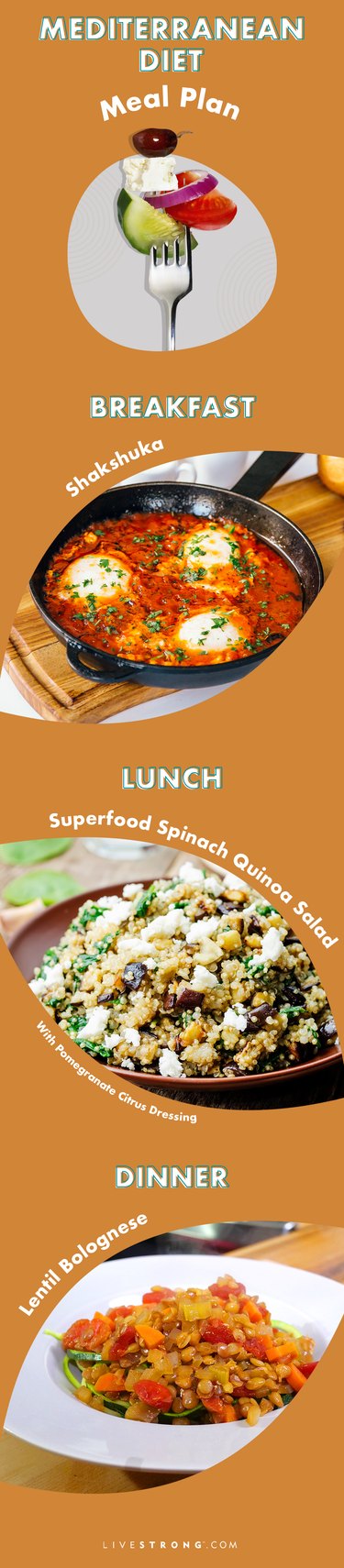
Some diets are overly rigid, but the Mediterranean diet is known for its simple guidelines that improve your eating habits without leaving you feeling hungry or restricted. That's mainly why it was named the Best Diet of 2023 for the sixth year in a row by the U.S. News & World Report.
There's no one diet that's eaten by the 21 countries that border the Mediterranean Sea, and instead of drawing on dishes common in the Mediterranean, the diet focuses on the wealth of nutritious foods available in that area.
Video of the Day
Video of the Day
Because it's near a large body of water, seafood is on the Mediterranean diet menu, as are vegetables, olive oil and some wine.
Why You Should Try the Mediterranean Diet
If health issues or weight loss are a concern, the Mediterranean diet may be a great lifestyle choice. According to the University of Pennsylvania Medicine, the Mediterranean diet is associated with:
- Prevention and treatment of diabetes
- Reduced risk of heart disease
- Lower risk of high cholesterol levels
- Weight loss
We can thank many of these benefits to the diet being low in animal food sources and high in plant sources, including fruits and vegetables.
How to Eat on the Med Diet
- Get plenty of fruits and vegetables, nuts, legumes and whole grains
- Make olive oil your go-to choice of fat
- Opt for a moderate amount of poultry and fish
- Enjoy low-fat dairy such as cheese and yogurt in moderate amounts
- Have red meat in small amounts
- Enjoy a glass of wine a day with dinner if you'd like
Your 4-Week Mediterranean Meal Plan
Planning your meals for the week is one of the best ways to set yourself up for success. The Mediterranean Diet focuses on a range of whole foods, including fruits, vegetables, whole grains, lean proteins and healthy fats.
This 4-week meal plan reflects this method with a variety of recipes focusing on a plant-forward approach with some lean protein and dairy sources. It's designed to provide a full week of meals using 12 recipes for breakfast, lunch, dinner, snacks and dessert.
So for each day of each week, you'd choose one breakfast, one lunch and one dinner. Feel free to supplement with additional fruits and vegetables as well as nuts and seeds as you make your way through the week.
Once you are comfortable with these dishes, feel free to mix and match them. It's fun to experiment and try new things — and it just might help you stick to the diet longer and feel more satisfied!
Tip: Watch Portion Sizes
While the Mediterranean diet is healthful, there aren't any specific recommendations for portion size or calorie intake. So while the food you're eating is nutritious, you can still gain weight if you don't monitor portion sizes, per the Harvard T.H. Chan School of Public Health.
For example, polyunsaturated and monounsaturated fats (found in nuts, olives and fatty fish) in the Med diet are healthier for your heart than saturated fat, but they're calorie-dense. Fat has 9 calories per gram (versus protein and carbs, which have 4 calories per gram each), no matter what kind of fat it is. Because of this, portion size is key when eating nuts or other high-calorie foods.
Week 1
Breakfast
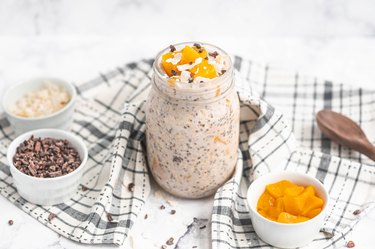
- Peach Overnight Oats
- Shakshuka (aka baked eggs or eggs in purgatory)
- Avocado Toast With an Egg
Lunch
Dinner
- Instant Pot Pumpkin Dal
- Instant Pot Whole Chicken paired with Butternut Squash Buddha Bowl
- Shrimp Fra Diavolo served on top of your favorite whole grain, like brown rice or quinoa, and a side of sautéed cauliflower or broccoli
Snack/Dessert
Week 2

Breakfast
Lunch
- Salmon Tacos
- Avocado Egg Salad served on top of greens with a side of crusty whole-grain bread or pita
- Farro Salad
Dinner
- Zoodles With Roasted Chickpeas and Pesto
- Crispy Mediterranean Chicken Thighs with a Simple Panzanella Salad
- Salmon Cakes With Lemon Crema served with a baked sweet potato and roasted/sautéed veggies.
Snack/Dessert
Week 3
Breakfast
- Banana Overnight Oats
- Healthy Egg Bake with whole-grain toast
- Mediterranean Egg Wrap with your fruit of choice
Lunch
Dinner
- Honey Dijon Salmon With Apple Farro
- Lentil Bolognese With Zucchini Noodles with a simple side salad
- Crock-Pot Simple Chicken Cacciatore served atop your favorite whole grain (to soak up the sauce) and sautéed greens
Snack/Dessert
- Frozen Fruit Smoothie
- Oatmeal Balls
- Roasted Red Pepper Hummus with veggies and whole-grain pita bread
Week 4
Breakfast
Lunch
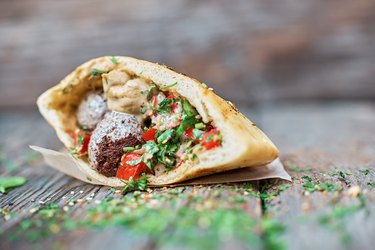
- Baked Falafel with pita bread, tzatziki and chopped cucumber, romaine and tomatoes
- Chickpea Salad Sandwich
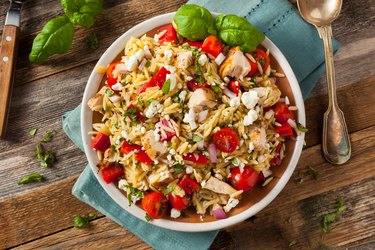
- Marinated Artichoke Hearts Pasta Salad
Dinner
- Fish en Papillote paired with your favorite whole grain.
- Quinoa Black Bean Burgers served on a bed of greens.
- Mediterranean Chicken Skewers paired with roasted broccoli and sweet potatoes and a tahini dipping sauce
Snack/Dessert
Not ready to commit to a full month? Try this 7-Day Mediterranean Diet Meal Plan instead.
Click below to pin and save this meal plan for later!