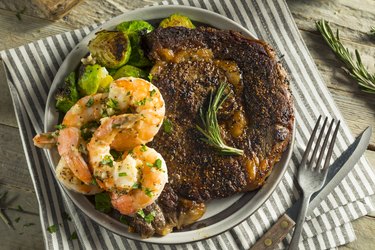
Concerned about your uric acid levels? This might be the case if you have hypothyroidism or kidney issues or are taking diuretics or immune-suppressing drugs. It could also be the case if you're genetically predisposed to high uric acid levels or are eating a lot of organ or game meat.
And if that's you, it's important to know that there are a number of foods rich in uric acid. If you have high uric acid levels, discuss possible dietary modifications with your doctor or dietician. Here's a list of foods likely to raise your uric acid:
Video of the Day
Video of the Day
- Beef
- Pork
- Lamb
- Goose
- Duck
- Partridge
- Liver
- Brain
- Kidneys
- Sweetbreads
- Meat gravies
- Meat-based soups
- Beef broth
- Mussels
- Scallops
- Anchovies
- Sardines
- Herring
- Mackerel
- Trout
- Shrimp
- Lobster
- Soda
- Artificially sweetened juices
- Candies
- Beer
- Beans
- Lentils
- Peas
- Mushrooms
- Spinach
- Cauliflower
- Asparagus
Keep reading for more detail on the above list.
Uric Acid, Purines and Kidney Health
First off, it's important to understand the role the uric acid plays in your body. Uric acid is created in your body by the natural breakdown of molecules called purines. Purines are found throughout the body and are regularly broken during normal metabolism. The human body makes purines, but also absorbs purines from foods.
When uric acid is formed, it enters the bloodstream. As blood passes through the kidneys, the uric acid is removed and eventually eliminated from the body through the urine.
Uric acid levels in the blood usually remain within a normal range, but they sometimes rise, producing hyperuricemia. The excess uric acid may then collect as crystals in body tissues, especially the kidneys and joints, causing kidney stones and gout — a type of arthritis.
Meats and seafood containing large amounts of purine are particularly likely to cause hyperuricemia. Certain other foods increase the production of purines in the body or interfere with the elimination of uric acid through the urine.
High-Purine Foods to Avoid
If your kidney health is top of mind for you, or if you have gout, it's not necessarily that you want to avoid foods rich in uric acid, as foods don't contain uric acid. As mentioned above, your body produces uric acid in response to the breakdown of purines in foods.
Therefore, what you need to do is avoid foods high in purines and stick with foods low in purines (see below for more on that). Here are the four types of foods that are worst for uric acid production.
1. Meats and Seafood
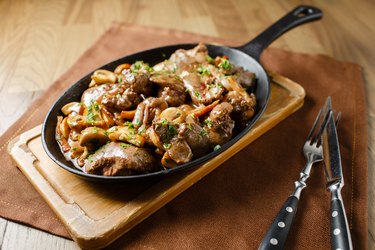
Meats generally contain moderate to large amounts of purines. Beef, pork, lamb, goose, duck and partridge have large amounts. Organ meats, such as liver, brain, kidneys and sweetbreads, are particularly purine-rich.
Purines are also abundant in meat-based gravies, soups, broths and anything else prepared from meat extracts. Chicken contains a lower amount of purines. Certain types of seafood are also high in purines. These include mussels, scallops, anchovies, sardines, herring, mackerel, trout, shrimp and lobster.
2. Fructose-Containing Foods and Beverages
Fructose is the only carbohydrate that raises uric acid levels, according to a review article published in The American Journal of Medicine in November 2016.
It does so by increasing the production of purines in the body. Fructose — typically in the form of high-fructose corn syrup (HFCS) — is found in many sweetened foods and drinks, including non-diet sodas, candies and baked goods.
A large study published in Arthritis and Rheumatism in January 2008 reported that the more HFCS-containing soft drinks a person consumes each day, the greater the increase in uric acid levels. Diet sodas do not affect uric acid levels.
3. Alcohol
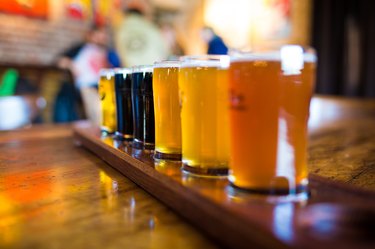
Some types of alcohol — especially beer — contain a large amount of purines. Alcohol <ahref="https: www.ncbi.nlm.nih.gov="" pubmed="" 27452679"=""> </ahref="https:>may also increase the body's production of purines and reduce its ability to eliminate uric acid through the urine. Beer is especially likely to increase uric acid levels.
In a large study published in Arthritis Care and Research in December 2004, beer increased uric acid almost two times more than hard liquor. Wine is less likely to increase uric acid levels, so it is the best alcohol-containing beverage for a person with hyperuricemia.
4. Certain Vegetables
Most vegetables and fruits are low in purines. But some vegetables — such as beans, lentils, peas, mushrooms, spinach, cauliflower and asparagus — contain a moderately high amount.
Although these vegetables may raise uric acid levels, they do not increase uric acid as much as purine-rich meats and seafood, according to an article published in Journal of Advanced Research in September 2017. Therefore, these vegetables may be appropriate if consumed in moderation.

Foods That Help Lower Uric Acid
Some foods and beverages may help reduce uric acid levels. Low-fat dairy products can increase the amount of uric acid removed through the urine.
Vitamin C-containing foods or supplements can both reduce uric acid production and increase uric acid elimination in the urine. Coffee can also lower uric acid levels. This does not appear to be related to caffeine, as even decaffeinated coffee reduces uric acid.
If you are overweight, losing weight with a reduced-calorie diet may also help lower uric acid levels, according to a November 2016 review article in The American Journal of Medicine. However, sudden severe calorie restriction should be avoided, as it can produce a temporary increase in uric acid levels.
Read more: The Top 10 Cleansing Foods
Reviewed by: Mary D. Daley, M.D.
- Myrtue Medical Center: Low Purine Diet -- Gout Diet Treatment
- UPMC: Low-Purine Diet
- MedlinePlus: Uric Acid -- Blood
- The American Journal of Medicine: Update on Importance of Diet in Gout
- Arthritis and Rheumatism: Sugar-Sweetened Soft Drinks, Diet Soft Drinks, and Serum Uric Acid Level -- The Third National Health and Nutrition Examination Survey
- Therapeutic Advances in Chronic Diseases: Latest Evidence on Gout Management -- What the Clinician Needs to Know
- Journal of Advanced Research: Uric Acid in Plants and Microorganisms: Biological Applications and Genetics -- A Review
- Reumatologia: Diet in Hyperuricemia and Gout -- Myths and Facts
- Rheumatic Disease Clinics of North America: Gout -- A Review of Non-modifiable and Modifiable Risk Factors
- Arthritis Care and Research: Beer, Liquor, and Wine Consumption and Serum Uric Acid Level -- The Third National Health and Nutrition Examination Survey
- Renal Dieticians: A Low-Purine Diet -- Relief From Gout and Kidney Stones
- Chemocare: Hyperuricemia (High Uric Acid)
Is this an emergency? If you are experiencing serious medical symptoms, please see the National Library of Medicine’s list of signs you need emergency medical attention or call 911.