
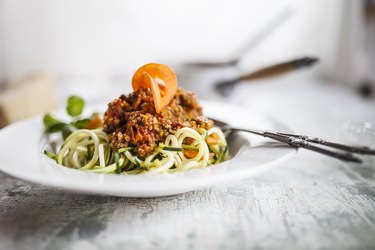

















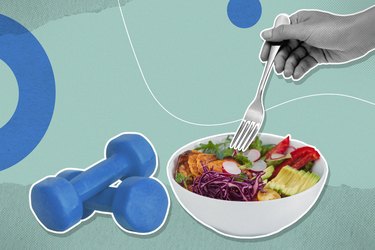

"Eating well is vital at any age, but as you get older, your daily food choices can make an important difference in your health," says Richard J. Hodes, M.D., director of the National Institute on Aging (NIA). Choosing and implementing a healthy meal plan can help seniors avoid illness and disease and live a longer, more enjoyable life.
USDA Food Guide
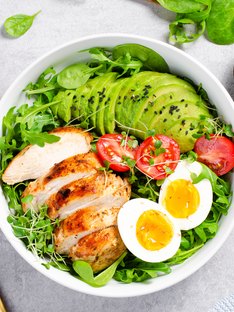
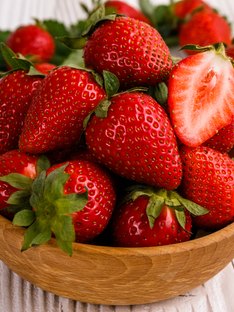
Consult the U.S. Department of Agriculture's Food Guide for recommendations when making a meal plan for seniors, and include selections from each section of the USDA food pyramid in your meal plan. For people aged 50 and older, the USDA suggests 1 1/2 to 2 1/2 cups of fruit a day, 2 to 3 1/2 cups of vegetables, 5 to 10 oz. whole grains, 5 to 7 oz. protein, such as meat, fish, beans or eggs, and 3 cups of low-fat or fat-free milk per day.
The DASH Eating Plan
For seniors with high blood pressure, consider using the National Heart, Lung, and Blood Institute's DASH eating plan, which stands for Dietary Approaches to Stop Hypertension. Similar to the USDA Food Guide, the DASH plan emphasizes fresh fruits, vegetables and whole grains and limits saturated fat, cholesterol and added sugars. To lower blood pressure, the DASH plan suggests a limited sodium intake of 1500mg per day by using a salt substitute, choosing low-sodium products and eating fresh instead of canned or prepared foods.
Calories
Refer to the NIA's guidelines for calorie recommendations for seniors, and ensure that your meal plan contains enough calories to provide energy throughout the day. According to the NIA, women over 50 need approximately 1,600 to 2,200 calories per day, depending on their activity level. Men over age 50 should consume between 2,000 and 2,800 calories.
Essential Nutrients
Certain vitamins and nutrients prove especially beneficial to seniors, and they should be a part of any senior meal plan. According to Helpguide, seniors need about 1,200mg of calcium per day to prevent osteoporosis and promote bone health. Cheese, milk and yogurt all contain calcium, as do non-dairy foods, such as tofu, kale, broccoli and almonds. Seniors also need foods fortified with vitamin B12 for blood and nerve vitality and vitamin D to help absorb calcium, as well as plenty of fiber to prevent constipation, promote healthy digestion and help the body process vitamins and minerals.
Tips
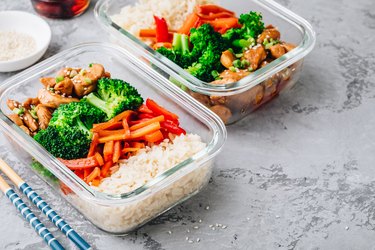
If you have difficulty chewing because of dentures, steam your vegetables to soften them, and incorporate softer foods into your meal plan, such as rice, couscous, oatmeal and yogurt. For breakfast, try a smoothie with yogurt, fresh fruit and protein powder. Also, don't forget to drink at least 8 to 10 glasses of water per day. According to Helpguide, seniors are prone to dehydration, and staying hydrated will help you avoid constipation, urinary tract infections and general confusion.


Member Comments