
Your diet is composed of foods that have carbohydrates, lipids (or fats) proteins — these are the three types of macronutrients, or nutrients needed in large amounts, for health.
A well-balanced eating plan should include nutritious foods with all three macros: protein, fats and carbs. And any diet that shuns a specific food group should be taken with a grain of salt.
Video of the Day
Video of the Day
Tip
Foods that supply carbohydrates include grains, fruits and vegetables; protein is found in animal products and beans; and fats or lipids are provided by oils, fatty fish, nuts and red meat.
Food Sources of Carbohydrates
The three types of carbohydrates are starches, sugars and fiber.
According to the Centers for Disease Control and Prevention (CDC), starchy foods include:
- beans
- lentils
- peas
- grains
- corn
- potatoes
- parsnips
- winter squash
- yams
Sugar sources include the natural sugars in milk and fruit, along with white sugar, brown sugar, molasses, honey and corn syrup.
Plant foods are plentiful in fiber. According to the CDC, high-fiber foods include:
- fruits
- vegetables
- beans
- peas
- lentils
- nuts
- whole grains (such as barley, oats and brown rice) and whole-grain products (flour, bread, pastas and cereals)
Refined grains are also carbohydrates. Examples include white rice and white pasta, white bread, muffins, crackers, cookies and cakes and baked goods made with white flour, per the CDC.
In contrast to whole grains, these foods are low in fiber and vitamins and are linked to an increased risk of type 2 diabetes.
Tip
Instead of looking for either low- or high-carb foods, pick complex carbs over simple carbs.
So that means brown rice instead of white rice and replacing potatoes and corn with non-starchy vegetables like carrots and broccoli more often, per the CDC. Try to limit white bread, and instead choose bread made with 100 percent whole-grain flour.



Food Sources of Lipids
Like carbohydrates, food sources of lipids, or fats, can be more nutritious than others.
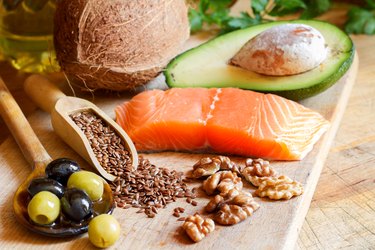
Healthy fats include unsaturated fats (specifically, monounsaturated and polyunsaturated fatty acids), which can help reduce heart disease risk. According to the Academy of Nutrition and Dietetics, some foods high in healthy, unsaturated fats include:
- fatty fish (such as salmon, herring and sardines)
- plant oils (like olive oil, avocado oil and canola oil)
- nuts
- avocados
- eggs
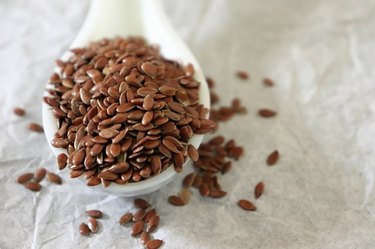
- seeds (such as chia, flax and sunflower seeds)
On the other hand, you should limit saturated fat and avoid eating trans fat — both are linked to high cholesterol and heart disease risk but trans fat is worse, per the U.S. National Library of Medicine.
Foods high in saturated fat include:
- red meat
- butter
- high-fat dairy (such as cheese and yogurt)
- coconut oil
- palm oil
- pastries and desserts
Trans fat is found in margarine and shortening.
Foods with a high omega-3 fatty acid content are associated with decreased inflammation, per the Arthritis Foundation.

Food Sources of Protein
While we commonly associate protein with animal foods, many plant foods are also rich in protein. The USDA advocates getting protein from a variety of food sources in order to get more nutrients in your diet.
Animal Proteins
Animal sources of protein include:
- meat
- poultry
- seafood, including fish and shellfish
- eggs
- dairy products
The National Cancer Institute warns that red and processed meats are linked to cancer, so try to limit them in your diet.
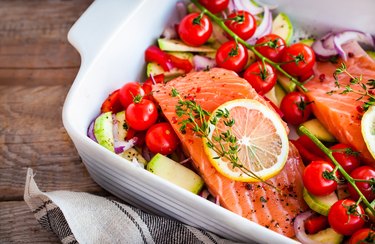
Because fatty fish like salmon and tuna are rich in healthy omega-3 fatty acids, try to include them in a meal at least twice a week.
Plant Proteins
Plant sources of protein include:
- seeds
- nuts
- peas
- beans
- soy and soy products like tofu
Plant protein sources are great for either a side dish or the main dish.
Examples include stir-fry tofu, bean soup or hummus, a spread made with chickpeas. Unsalted nuts make a nutritious snack, but you can also add them to salads or use them to replace meat in main dishes.



Food Sources of Nucleic Acids
Nucleic acids are an organism's genetic material, or DNA, within the cells. When you eat food from animals, you're actually eating the cells and all they contain, including the DNA.
Nucleotides are the building blocks that make up nucleic acids, according to a July 2012 Chemical Analysis of Food: Techniques and Applications report. Dietary sources of nucleotides include animal muscle from poultry, organ meats and seafood, as well as baker's yeast.
And while there's not much evidence on nucleic acids in produce (like fruits and vegetables), one older January 1990 study in Zeitschrift für Lebensmittel-Untersuchung und -Forschung found that certain vegetables actually have nucleic acid components. These include leeks, cauliflower, broccoli, spinach, Chinese cabbage and certain varieties of mushrooms.
Putting the Nutrients Together
The Harvard T.H. Chan School of Public Health provides the following guidance on how to eat nutritious, balanced meals:
- Fill 1/2 of your plate with fruits and vegetables. Vary the types you eat, so you'll get a range of colors (different-colored produce have different nutrients).
- Fill 1/4 of your plate with whole grains — they're better for blood sugar control than refined grains.
- Fill the remaining 1/4 of your plate with protein foods. Nuts, beans, chicken and fish are nutritious options.
- Include healthy plant oils, such as olive oil, in moderation.
- Instead of drinking sugary beverages, opt for unsweetened coffee, tea or water.
It's also helpful to understand how these guidelines translate into servings. The American Heart Association suggests these daily amounts:
- Fruits: 2 cups
- Vegetables: 2.5 cups
- Whole grains: 3 to 6 ounces
- Oils: 3 tablespoons
- Low-fat dairy: 3 cups
- Lean proteins: 5.5 ounces
The Academy of Nutrition and Dietetics has special dietary recommendations for people assigned female at birth:
- Prior to menopause, get extra iron. Foods high in iron include beef, seafood, spinach, kale and beans.
- Eat more folate foods in the childbearing years. Good sources are citrus foods, leafy vegetables and beans.
- For healthy bones and teeth, eat calcium-rich foods like yogurt and cheese.


- Centers for Disease Control and Prevention: "More About Carbs"
- National Library of Medicine: "Dietary Fats Explained"
- Arthritis Foundation: "Fats and Oils to Avoid"
- Academy of Nutrition and Dietetics: "Choose Healthy Fats"
- USDA Choose MyPlate: "All About the Protein Foods Group"
- USDA Choose MyPlate: "Tips: Vary Your Protein Routine"
- National Cancer Institute: "Red Meat and Processed Meat Consumption"
- Zeitschrift für Lebensmittel-Untersuchung und -Forschung: "Nucleic Acid Components in Carbohydrate-Rich Food"
- Harvard T.H. Chan School of Public Health: "Healthy Eating Plate"
- American Heart Association: "What Is a Healthy Diet? Recommended Serving Infographic"
- Academy of Nutrition and Dietetics: "Healthy Eating for Women"
- Academy of Nutrition and Dietetics: "Healthy Eating for Men"
- American Diabetes Association: "Types of Carbohydrates"
- Molecular Techniques: "Chemical Analysis of Food: Techniques and Applications"