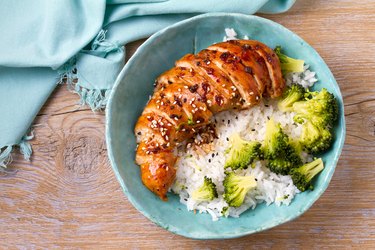
Beta-alanine is an amino acid that your body naturally makes on its own. But in higher doses, it can create a chain of events that leads to less muscle fatigue.
Beta-alanine's claim to fame is as an effective (and legal) athletic performance enhancer. Several studies have found that taking beta-alanine supplements for 4 weeks or longer can improve performance in high-intensity exercises lasting from 1 to 4 or more minutes, per a January 2012 meta-analysis in Amino Acids.
Video of the Day
Video of the Day
What Does Beta-Alanine Do?
Beta-alanine combines with the amino acid L-histidine to increase the amount of carnosine in the muscle, per an April 2018 study in the Journal of the International Society of Sports Nutrition (JISSN).
Carnosine acts as a pH regulator, so it reduces the amount of acid accumulated in the muscles from lactic acid breakdown — and that, in turn, lessens the fatigue that comes with high-intensity exercise, per the January 2012 Amino Acids study.
Beta-alanine is the limiting factor — meaning that the more beta-alanine that's supplied, the more carnosine that can be stored in the muscle, according to the April 2018 JISSN article. Beta-alanine often comes in supplement form, but it's also found naturally in many foods, particularly meat, fish and poultry.
How Much Beta-Alanine Do You Need?
Because beta-alanine is a "non-essential" amino acid, you don't need to eat any of it for survival or everyday activities because your body already produces it on its own. To improve exercise performance, you can take a supplement with 4 to 6 grams per day for at least 2 to 4 weeks, according to a July 2015 statement in JISSN.
Is Beta-Alanine Safe?
Because beta-alanine is produced in varying amounts by your body, researchers agree that it's most likely safe when used in doses of 4 to 6 grams per day or less, per the July 2015 JISSN statement. While safe, there are a few potential side effects to be aware of.
Some people may experience flushing and tingling of the face, hands or neck, also known as paraesthesia. This side effect most often occurs when taking over 800 milligrams of beta-alanine standard supplements. The effects last 60 to 90 minutes and are often reduced with a sustained release supplement, per the July 2015 JISSN statement.
While no direct dangers have been found with beta-alanine supplements, there are limited studies on long-term effects. A safe (and tingle-free) way to get extra beta-alanine is through food.
9 Beta-Alanine Rich Foods to Eat
If you want to improve your performance by getting beta-alanine through your meals, try these foods high in beta-alanine.
1. Chicken
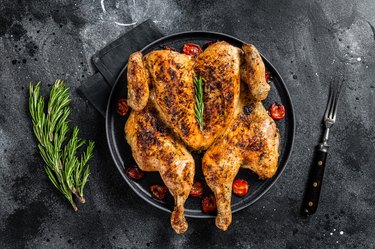
The type of meat you go for could make a difference in how much carnosine and beta-alanine you get from your chicken dinner. Chicken breast meat was found to have higher carnosine levels than thigh meat, per a December 2013 study in Poultry Science.
A 3-ounce serving of chicken breast is a good source of niacin (also known as vitamin B3), pantothenic acid, vitamin B12 and vitamin B6. It's also low in saturated fat with less than 1 gram per serving and has 26 grams of high-quality protein.
If you want to start your day off strong with a dose of beta-alanine, try these tasty chicken breakfast recipes.
2. Turkey
A turkey dinner can help you increase the beta-alanine and carnosine in your muscles. It's also a great source of niacin, which is essential for converting your food into energy, building and repairing DNA and creating cholesterol and fats, per the Harvard T.H Chan School of Public Health.
Try these turkey recipes that make good use of any leftovers you may have.
3. Beef
Including beef in your diet could improve your athletic performance, but you may want to be careful about the cut you choose. Lean cuts of beef are a good source of protein, zinc, selenium and several B vitamins while also being lower in total fat, saturated fat and cholesterol.
Lean and extra-lean labels on beef are regulated by the USDA. Lean beef has less than 10 grams of fat, 4.5 grams or less of saturated fat and less than 95 milligrams of cholesterol for a 3.5-ounce serving. Extra-lean beef has less than 5 grams of fat, less than 2 grams of saturated fat and less than 95 milligrams of cholesterol per 3.5-ounce serving. Try these healthy ground beef recipes.
4. Whitefish
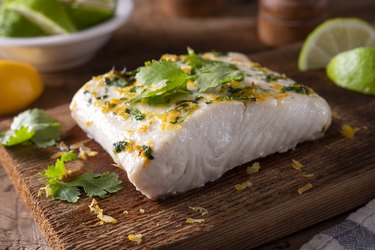
Along with other types of fish, whitefish contains beta-alanine to help create carnosine in your muscles. Whitefish isn't a specific kind of fish, but rather any mild-tasting white-fleshed fish. Whitefish can be Alaskan pollock, haddock, cod, flounder, perch and sole among others.
Try these creative air fryer fish recipes for lunch or dinner.
5. Pork
While pork can help you to beat muscle fatigue with its beta-alanine, it could also help with weight management.
People with overweight who ate around 2 pounds of lean pork each week for 6 months, while replacing chicken and beef and keeping other parts of their diet and routine the same, saw a significant reduction in BMI, weight, waist circumference, percent body fat and abdominal fat, per a July 2012 study in Nutrients.
Try the popular protein in these pulled pork recipes.
6. Salmon
You can get extra beta-alanine by eating salmon, whether it's farmed or wild. Farmed salmon may have higher omega-3 content due to the feed that's used, but it's also significantly higher in saturated fat and calories compared to wild salmon, per the Cleveland Clinic.
For a quick and nutritious beta-alanine-rich dinner, try these air fryer salmon recipes.
7. Chicken Broth
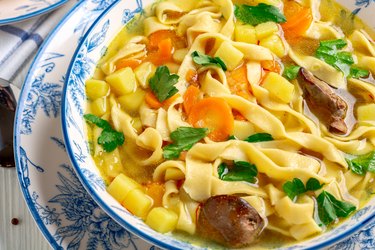
You don't have to eat chicken to get the fatigue-busting benefits of beta-alanine. A small group of 14 men was given either chicken broth or a placebo before an 8-minute intense cycle ride. The men who had the chicken broth performed significantly better and also had significantly higher levels of carnosine compared to the placebo group, per a February 2021 study in JISSN. These results are promising, but the study was small and more research is needed.
If you're tired of chicken soup but still want the benefits of broth, you may find these soup-free chicken broth recipes appealing.
8. Tuna
Tuna fish contains beta-alanine as well as other important nutrients like omega-3 fatty acids and protein. Even with all of the health benefits, there is some concern for mercury in tuna fish.
People who are pregnant or are of child-bearing age should limit themselves to 12-ounces of canned light tuna and other low-mercury fish per week. Albacore tuna can have three times as much mercury as canned light tuna and should only be eaten once a week, per the U.S. Food and Drug Administration (FDA).
9. Mackerel
Mackerel may not be as common in American kitchens as salmon or tuna, but this oily fish is worth taking a shot on. Mackerel has beta-alanine and is also an excellent source of omega-3s and vitamin D.
Choose Atlantic or Atka mackerel, which is lower in mercury while avoiding King mackerel, which is highest in mercury, according to the Cleveland Clinic.
- JISSN: "International society of sports nutrition position stand: Beta-Alanine"
- Amino Acids: "Effects of β-alanine supplementation on exercise performance: a meta-analysis"
- JISSN: "Ergogenic effect of pre-exercise chicken broth ingestion on a high-intensity cycling time-trial"
- FDA: "Questions & Answers from the FDA/EPA Advice about Eating Fish for Those Who Might Become or Are Pregnant or Breastfeeding and Children Ages 1 to 11 Years"
- USDA: "Smoked Mackerel"
- Cleveland Clinic: "3 Healthiest (and worst) Fish For Your Health"
- Cleveland Clinic: "Fish Faceoff: Wild Salmon vs Farmed Salmon"
- Nutrients: "Effects of Eating Fresh Lean Pork on Cardiometabolic Health Parameters"
- USDA: "Broiled Lean Beef Flank Steak"
- USDA: "What does "lean" and "extra lean" beef mean on a nutrition label?"
- USDA: "Roasted Chicken Breast"
- Poultry Science: "Carnosine, anserine, creatine, and inosine 5′-monophosphate contents in breast and thigh meats from 5 lines of Korean native chicken"
- The Nutrition Source: "Niacin"
- USDA National Nutrient Database: Fish, Yellowtail, Mixed Species, Cooked, Dry Heat
- USDA National Nutrient Database: Nutrient Lists - Nutrients: Alanine (g); Food Groups: Finfish and Shellfish Products
- American Heart Association: Fish 101