Even a cheap diet plan can be a healthy one — it just takes a little planning and knowledge. The U.S. Department of Agriculture says it takes just three simple steps to start eating healthy: Plan, compare and prepare.
That is, plan out your shopping trips, compare prices before you hit the market and prepare your foods ahead of time. If you follow these three guidelines — along with a few other principles for a poor man's diet — you can create a healthy diet for a poor person without busting your budget.
Video of the Day
Video of the Day
Start With a Grocery List
It's easy to go over budget if you go grocery shopping without knowing what you want to buy. It's also easy to grab impulse buys or the cheapest packaged and processed foods, which probably don't belong in your cheap diet plan. By making a grocery list — and shopping on a full stomach — you can avoid overspending and buy only the healthy items you need.
A healthy diet for a poor person doesn't look much different than that of someone more well-off. Some of the items you should add to your list, per the 2015-2020 Dietary Guidelines for Americans, include:
- A variety of colorful vegetables from all subgroups, as in legumes, starches and dark green, red and orange veggies (fresh or frozen, preferably not canned)
- Whole fruits (fresh or frozen, preferably not canned)
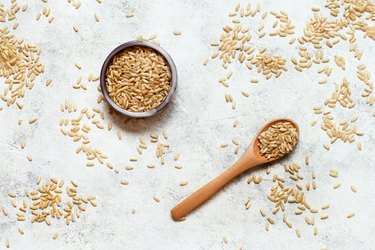
- Whole grains like brown rice and quinoa
- Fat-free or low-fat dairy, such as milk, yogurt, cheese and/or fortified soy beverages
- Lean proteins like poultry, eggs, seafood, nuts and soy products
Shop mostly the perimeter of grocery stores, where you'll find fresh foods. The center aisles contain many unhealthy packaged foods.
For anything in a package, you'll need to read nutrition labels to be sure you're not buying products with added sugars, saturated fats, high amounts of sodium and preservatives. The Dietary Guidelines recommend getting less than 10 percent of calories a day from added sugars and saturated fats, and no more than 2,300 milligrams of sodium per day.
Leave alcohol out of your poor man's diet, too. Research published in January 2015 in Current Obesity Reports indicate that alcohol intake may be a risk factor for obesity in some individuals.
Although having a beer or a glass of wine might sound like a great way to relax and unwind, it's also filled with calories and little nutrition. In addition, drinking alcohol may trigger hunger, causing you to overeat.
Instead, reach for a glass of water — adding a squeeze of lemon will give it some flavor. Aim to drink at least 8 glasses of water a day, says the Mayo Clinic, or more if you're exercising, fighting off an illness, pregnant, nursing or spending time in hot weather.
Compare Prices From Different Markets
If you have access to a local paper, look for coupons, sales and specials at your neighborhood markets. Search online for deals, too — your local public library likely has free internet access and printers.
Many stores will double the savings on manufacturer coupons as well as let you use coupons on in-store sale items. They may also offer free loyalty reward programs. Buy in bulk when possible, and compare unit prices in the store to choose the brand with the best price.
You never know — you might find you enjoy the thrill of getting a great deal. Some people make a game out of "couponing" — getting the best prices and, in some cases, even getting free product or money back.
A July 2015 study published in the International Journal of Behavioral Nutrition and Physical Activity examined various solutions to address the high costs of more healthful food. Many participants said they seek out sales and specials, compare store prices and use coupons to purchase more for less.
Participants also said they save money by preparing meals at home for their families. Most of them said they consistently prepare at least one meal a day at home, typically dinner. They also indicate they save money by buying produce when it's in season — as out-of-season produce tends to cost more.
Read more: How to Meal Plan for Every Diet and Budget
Prep Your Poor Man’s Diet
Once your shopping trip is complete, slice up fresh fruits and veggies for quick snacks. Try meal-prepping and cooking larger quantities of food that will last you a few days, saving you time and money.
Having leftovers will ensure you stay on track with your cheap diet plan. You can eat your leftovers as-is, repurpose your food into different meals or freeze meals for later use. For instance, your roasted chicken at dinnertime can become a chicken salad for lunch tomorrow.
A healthy diet for a poor person need not be complicated — in fact, it's best to follow a simple meal plan to lose weight. Eating within your calorie range or slightly below it will help you maintain or drop pounds. For adult women, the Dietary Guidelines for Americans recommends 1,600 to 2,400 calories, and for adult men, 2,000 to 3,000.
In addition, eating within your recommended macronutrient profile will help you avoid eating too much or too little of a food group. The Dietary Guidelines calls for about 45 to 65 percent carbs, 25 to 35 percent fat and 10 to 30 percent protein for your daily calories.
It may take a little more work to stick with a poor man's diet. After all, you're giving up the convenience of buying fast food and prepackaged items.
However, you're also avoiding health problems like obesity, Type 2 diabetes, cancer, deficits in brain function, heart disease and stroke, says the Centers for Disease Control and Prevention. Plus, you're gaining greater health and vitality.
- U.S. Department of Agriculture: "Healthy Eating on a Budget"
- Office of Disease Prevention and Health Promotion: "Dietary Guidelines for Americans, 2015-2020: Chapter 1. Key Recommendations: "Components of Healthy Eating Patterns"
- Current Obesity Reports: "Alcohol Consumption and Obesity: An Update"
- Mayo Clinic: "Water: How Much Should You Drink Every Day?"
- International Journal of Behavioral Nutrition and Physical Activity: "Increasing Access to Healthful Foods: A Qualitative Study With Residents of Low-Income Communities"
- Centers for Disease Control and Prevention: "Poor Nutrition"
- Office of Disease Prevention and Health Promotion: "Dietary Guidelines for Americans, 2015-2020: Appendix 2. Estimated Calorie Needs per Day, by Age, Sex, and Physical Activity Level"
- Office of Disease Prevention and Health Promotion: "Dietary Guidelines for Americans, 2015-2020: Appendix 7. Nutritional Goals for Age-Sex Groups Based on Dietary Reference Intakes and Dietary Guidelines Recommendations"