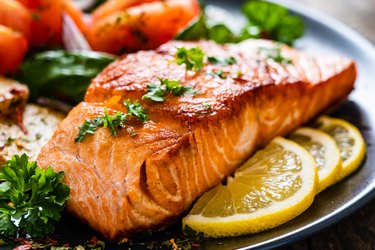
You don't need to be a bodybuilder to understand how important protein is. Everyone needs protein, aka the building block of life, in order to build and maintain healthy bones, muscles and skin, according to the U.S. National Library of Medicine (NLM).
Proteins are made up of 20 amino acids, nine of which are essential — meaning our bodies can't make them on their own, so we have to get them from our diets, according to the NLM.
Video of the Day
Video of the Day
How Much Protein Do You Need?
Your daily needs depend on a variety of factors, including age, sex assigned at birth and physical activity. Aim for 0.35 grams per pound of body weight (or 0.8 grams of protein per kilogram of body weight) per day, according to the American College of Sports Medicine.
That means a person who weighs 150 pounds should get about 53 grams of protein per day.
Diet alone can provide more than enough protein — even if you follow a vegetarian or vegan diet.
But plant-based foods don't always contain complete protein, or foods with all nine essential amino acids. So if you don't eat animal foods, make sure to enjoy a variety of plant-based proteins throughout the day to get your amino acids, according to the Cleveland Clinic.
Find the top protein foods below. Note that the FDA's Daily Value (DV) percentages are based on eating 50 grams of protein per day.
1. Chicken Breast: 54.5 g, 109% Daily Value (DV)
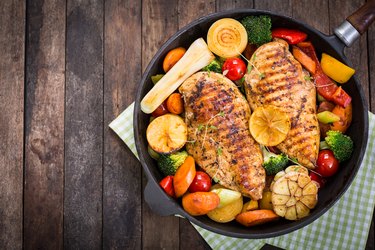
Chicken can be baked, roasted, fried, grilled and tossed with your favorite vegetables and complex carb-rich foods such as quinoa or brown rice. Chicken's mild flavor works well with most marinades and seasonings.
The poultry might be one of the best foods when it comes to well-rounded nutrition: It's high in protein, B vitamins and low in saturated fat when you choose white meat, according to the Academy of Nutrition and Dietetics. Chicken breast contains 109 percent of the DV for protein per 6 ounces cooked. Try it in these healthy chicken recipes.
2. Ground Turkey: 53.9 g, 108% DV
If you're tired of chicken, ground turkey is another healthy food high in protein and low in carbs. The dark meat in turkey has less saturated fat than the dark meat in chicken, per the Academy of Nutrition and Dietetics.
Lean ground turkey has 108 percent of the DV per 6 ounces cooked and contains B vitamins and heme iron, a form of iron found only in animal products that's better absorbed in the body.
3. Lean Pork Chops: 52.7 g, 105% DV
Lean pork chop is generally a loin cut. White cuts of pork are a good alternative to chicken because they contain quality protein and low levels of saturated fat.
A 6-ounce cooked portion provides 105 percent of the DV for protein. Try it in these tasty, protein-rich pulled pork recipes.
4. Salmon: 45 g, 90% DV
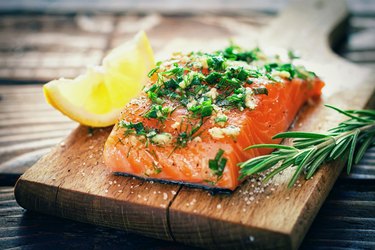
Salmon is perhaps one of the best foods high in protein thanks to its heart-healthy omega-3 fatty acids, according to the American Heart Association (AHA). The AHA recommends adults eat two 3.5-ounce servings of fatty fish like salmon every week.
Six ounces of cooked salmon contain 90 percent of the DV for protein. Salmon is also an excellent source of vitamin D, which is hard to find in many foods.
5. Lean Beef: 45 g, 90% DV
Another chart-topper when it comes to foods high in protein and low in carbs is beef. A 6-ounce serving of lean skirt steak contains 90 percent of the DV for protein. It's also an excellent source of B vitamins and iron.
Red meat (such as beef) is associated with an increased risk of heart disease, cancer and type 2 diabetes, per a February 2020 Diabetes Care report. That's why you should limit yourself to 12 to 18 cooked ounces a week, per the World Cancer Research Fund. Choose leaner cuts of beef to take in less saturated fat, the type of fat thought to contribute to chronic diseases.
6. Tofu: 43.5 g, 87% DV
Tofu comes from soy and is one of the best vegan foods high in protein because it provides all nine essential amino acids. A cup of raw firm tofu has 87 percent of the DV for protein.
And don't fret about soy: Research shows that eating soy foods, including tofu, is linked to a lower risk of breast cancer in some populations, according to the American Cancer Society.
It can take the form and flavor of just about anything with which you cook it, and offers fiber, plant-based iron and 132 percent of the DV for calcium. Try it in these anything-but-bland tofu recipes.
7. Tempeh: 33.7 g, 67% DV
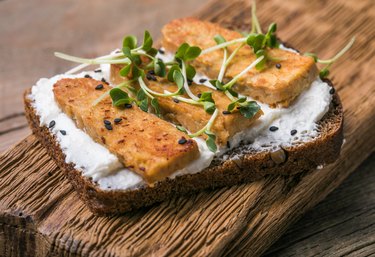
Tempeh comes from fermented soybeans, but unlike tofu, tempeh has a nutty flavor and a chewy texture. It's often used as a meat substitute. Like tofu, tempeh is an excellent source of plant-based, complete protein.
One cup has 67 percent of the DV for protein. It also delivers iron and potassium. Try it in these tempeh recipes to lose weight.
8. Canned Tuna: 22.6 g, 45% DV
Canned tuna is a popular lunch, whether it's mixed in a salad or on a sandwich. Tuna is known for its high levels of mercury, but the canned "light" variety tends to have lower levels, according to the Environmental Defense Fund.
A 3-ounce serving has 45 percent of the DV for protein. Canned tuna contains protein and omega-3 fatty acids, which support heart health, according to the AHA.
9. Shrimp: 19.4 g, 39% DV
Shrimp is a popular food high in protein and low in fat. A 3-ounce serving has just 100 calories and 1.4 grams of fat, as well as selenium, vitamin B12 and phosphorous. It also provides 39 percent DV of protein.
Because of this, shrimp are a healthy (and tasty) appetizer: Fill up on nutrient-dense shrimp and eat less of the richer, higher-calorie dishes served as the main course.
10. Lentils: 17.9 g, 36% DV
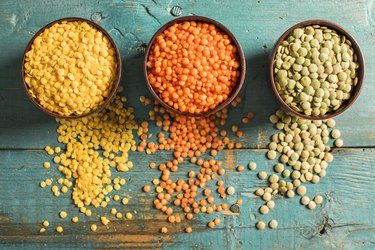
Lentils are a great vegetarian food high in protein: One cup cooked offers 36 percent of the DV. Not only do they provide protein, but they're also solid sources of fiber, potassium, folate and antioxidants, according to the Harvard T.H. Chan School of Public Health.
Eating lentils regularly is linked to better cholesterol levels, according to a May 2013 review in the Canadian Medical Association Journal. Try the legume in these high-protein lentil recipes.
11. Black Beans: 15.2 g, 30% DV
Eating a variety of beans (and mixing them with rice) is a good way to get complete protein, especially if you don't eat meat or other animal products. A 1-cup cooked serving has 30 percent of the DV.
Black beans contain iron, calcium, fiber and protein. Regularly eating pulses, which include beans, lentils and legumes, is associated with a reduced risk of chronic diseases, according to a June 2014 paper in Applied Physiology, Nutrition, and Metabolism.
12. Yogurt: 14 g, 28% DV
Yogurt makes for one of the top breakfast proteins thanks to its calcium, protein and probiotic content. Probiotics are the good-for-you bacteria that are tied to improved gut and immune health, according to a January 2013 review in ISRN Nutrition.
One cup of non-fat yogurt contains 28 percent of DV for protein. When choosing yogurt, avoid those with added sugar and instead opt for plain flavors and add fresh fruit for a boost of fiber.
13. Cottage Cheese: 12.5 g, 25% DV
Cottage cheese — especially when mixed with fiber-rich fruit — is a filling snack thanks to its fat and protein content. Fat-free and low-fat versions provide the same amount of protein: 12.5 grams or 25 percent of the DV per 1/2 cup. Cottage cheese is also a good source of bone-supporting calcium.
14. Eggs: 12.2 g, 24% DV
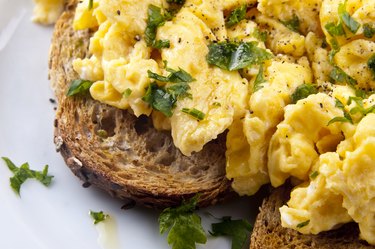
Eggs are one of the best breakfast foods high in protein. Most of their protein content — two scrambled eggs have 24 percent of the DV — is found in the egg whites, but you'll want to eat the yolk, too, as it's a good source of fat and brain-supporting choline. Try them in these creative egg recipes.
15. Cheddar Cheese: 9 g, 18% DV
If you're looking for foods high in protein besides meat, cheese is a great option. An ounce of cheddar provides 18 percent of the DV for protein, and it's also a good source of calcium. The protein and fat content will help you feel full, making even just a couple of ounces a quality snack.
16. Milk: 7.7 g, 15% DV
We tell kids to drink their milk so their muscles grow big and strong, so it's no surprise that an 8-ounce cup of milk delivers 15 percent of the protein DV.
Dairy milk contains a host of other crucial nutrients, including calcium, potassium and fat and is often fortified with vitamin D. Together, calcium and vitamin D can help build and maintain strong bones, according to the National Osteoporosis Foundation.
17. Soy Milk: 6.9 g, 14% DV
An ever-popular "milk" choice for vegetarians, vegans and those with dairy intolerances, soy milk is one of the best liquids high in protein. Unlike other milk substitutes, soy milk provides complete protein. An 8-ounce glass contains 14 percent of the DV for protein and 23 percent DV for calcium.
If you opt for a milk alternative, always choose fortified versions to ensure you're getting important nutrients such as calcium and vitamin D.
18. Peanut Butter: 7 g, 14% DV
Yes, peanut butter is high in protein! Two tablespoons have 7 grams of protein or 14 percent of the DV. The spread is also rich in heart-healthy unsaturated fats and goes well with oatmeal, toast, bananas and even in a stir-fry (try it in these rich PB recipes).
While peanuts are not technically nuts — they're legumes — tree nuts like almonds and cashews also deliver plant-based protein, in lower amounts (12 percent and 8 percent of the DV, respectively).
19. Whole-Wheat Pasta: 7 g, 14% DV
Carbs are good for you, especially when they're whole-grain, like whole-wheat pasta. Whole grains contain all three parts of the grain: the bran, germ and endosperm, according to the Whole Grains Council. Much of a grain's nutrition comes from the germ and bran, including plant-based protein and fat.
One cup of cooked whole-wheat pasta delivers 7 grams of protein or 14 percent of the DV.
20. Pumpkin Seeds: 7 g, 14% DV
Pumpkin seeds, aka pepitas, are a great source of vegan protein — 1 ounce gives you 7 grams or 14 percent of your DV. They're also a rich source of the minerals copper, magnesium and zinc.
Turn to this guide on how to roast pumpkin seeds and include them in your diet.
21. Almonds: 6 g, 12% DV
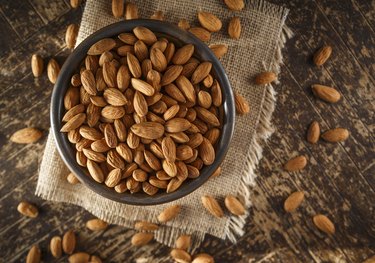
Almonds are a popular snack thanks to their satiating fat and plant-based protein. Just 1 ounce has 6 grams of protein or 12 percent of the DV. The tree nut contains a host of other important nutrients, including fiber, vitamin E — a powerful antioxidant — and calcium.
Like peanuts, almonds also make a nutritious, tasty nut butter.
Protein Foods List
Animal Foods | Plant-Based Foods |
|---|---|
Chicken Breast | Tofu |
Turkey | Tempeh |
Pork Chops | Lentils |
Salmon | Black Beans |
Beef | Soy Milk |
Tuna | Peanut Butter |
Shrimp | Whole-Wheat Pasta |
Yogurt | Pumpkin Seeds |
Cottage Cheese | Almonds |
Eggs | |
Cheddar Cheese | |
Milk |
- U.S. National Library of Medicine: "Dietary Proteins"
- U.S. National Library of Medicine: "Protein in Diet"
- U.S. Department of Health and Human Services: "2020-2025 Dietary Guidelines for Americans"
- American College of Sports Medicine: "Protein Intake for Optimal Muscle Maintenance"
- Cleveland Clinic: "Do I Need to Worry About Eating Complete Proteins?"
- Academy of Nutrition and Dietetics: "Breasts vs Thighs Which Is More Nutritious"
- Nutrients: "Effects of Eating Fresh Lean Pork on Cardiometabolic Health Parameters"
- American Heart Association: "Fish and Omega-3 Fatty Acids"
- Washington State Department of Health: "Farmed Salmon vs. Wild Salmon"
- American Diabetes Association: "Red and Processed Meats and Health Risks: How Strong Is the Evidence?"
- World Cancer Research Fund: "Limit Red and Processed Meat"
- Environmental Defense Fund: "Mercury Alert: Is Canned Tuna Safe?
- Harvard School of Public Health: "Lentils"
- Canadian Medical Association Journal: "Effect of Dietary Pulse Intake on Established Therapeutic Lipid Targets for Cardiovascular Risk Reduction: A Systematic Review and Meta-analysis of Randomized Controlled Trials"
- National Osteoporosis Foundation: "Calcium and Vitamin D"
- Applied Physiology, Nutrition, and Metabolism: "Nutrition and Health Benefits of Pulses"
- ISRN Nutrition: "Health Benefits of Probiotics: A Review"
- American Cancer Society: "Soy and Cancer Risk: Our Expert’s Advice"
- American Journal of Clinical Nutrition: "Serial Measures of Circulating Biomarkers of Dairy Fat and Total and Cause-specific Mortality in Older Adults: The Cardiovascular Health Study"
- Whole Grains Council: "Whole Grains 101"
- FDA: "Daily Value on the New Nutrition and Supplement Facts Labels"