











Is it Safe to Eat Raw Vegetables During Pregnancy?

Is it Safe to Eat Raw Vegetables During Pregnancy?
Photo Credit Jupiterimages/Photos.com/Getty Images

With many seafoods, cheeses and beverages now off the menu, it’s no surprise that you would think twice before biting into that carrot while you are pregnant. However, your food cravings may have you at the mercy of a little roughage. Fortunately, raw vegetables are generally safe to eat during pregnancy as long as you follow the proper procedures to protect your growing child.

Why Eat Vegetables

Vegetables are full of vitamins and minerals that will help your baby thrive. Furthermore, most vegetables have a healthy dose of fiber that naturally eases the uncomfortable constipation you may feel at various times throughout your pregnancy. The Mayo Clinic suggests eating 4 to 5 cups of vegetables and fruits every day of your pregnancy.

Foodborne Illnesses

Foodborne illnesses are a major concern during pregnancy due to the possible harm a severe infection can do to your baby. Raw vegetables pose a problem because they are not brought up to a sterilizing temperature and are often kept moist, making a haven that bacteria and disease can thrive in. It is possible, according to the NSW Government of Australia, that your baby will be born with a foodborne illness such as listeria if you eat contaminated raw vegetables. This leads to a number of problems after birth.

Proper Washing

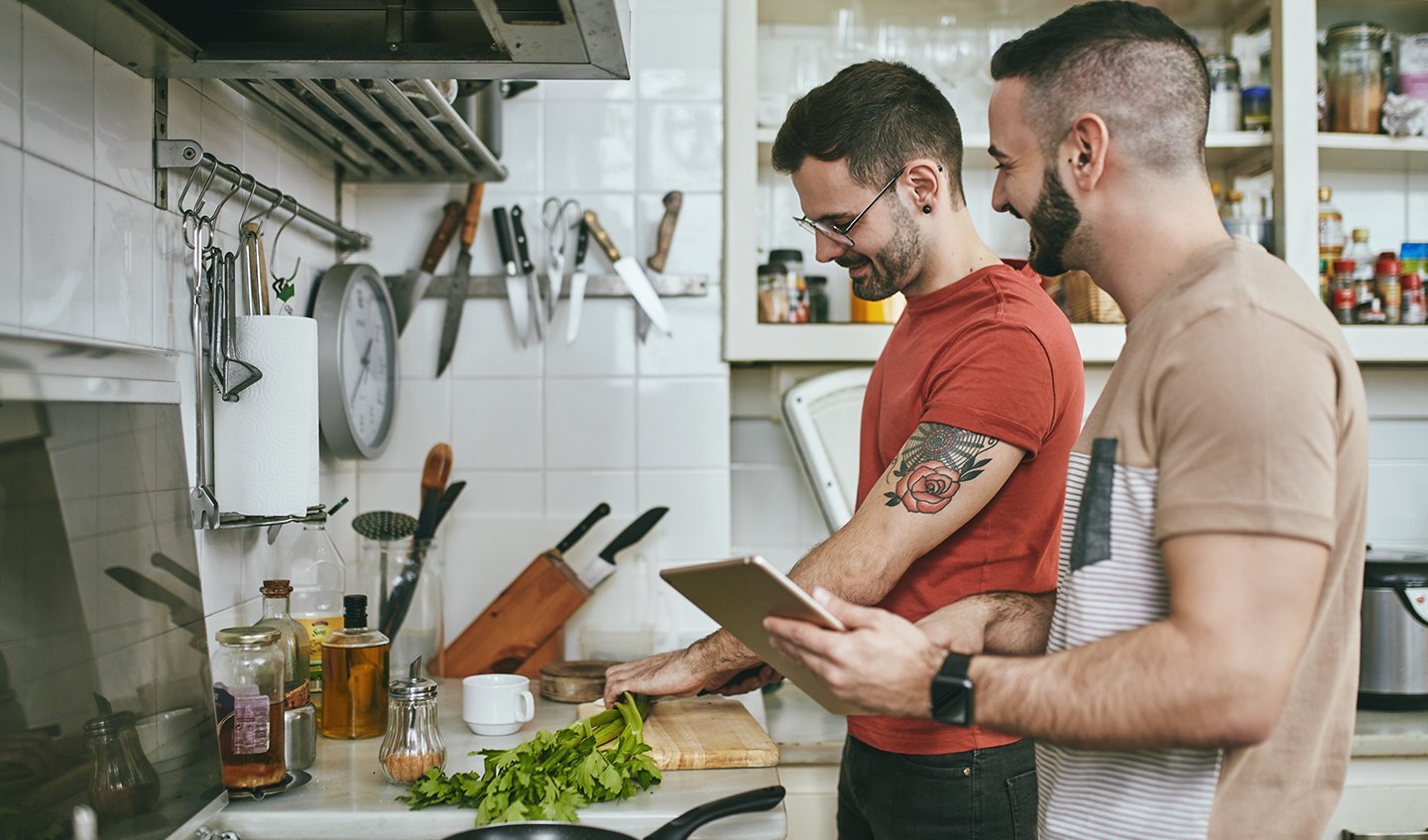
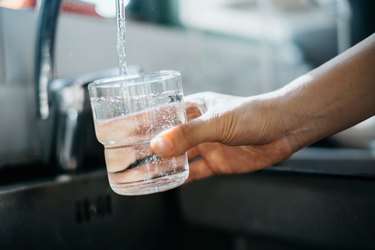
To avoid a foodborne illness from the vegetables you eat, wash every raw veggie that passes through your lips. This includes pre-rinsed vegetables like packaged salads and baby carrots. You can wash most vegetables by running tap water over the produce and scrubbing it by hand. You should scrub vegetables covered with a waxy coat and potatoes with a brush while rinsing. Lettuce and leafy bunches may take a bit more care. Luke LaBorde of Penn State University's Department of Food Science suggests peeling back several layers of leaves and washing continually until all visible dirt is gone. Dry your salad greens by spinning them in a salad spinner and store them dry.

Preventing Food Contamination

Washing your vegetables thoroughly will help protect you against certain bacteria found in the dirt that vegetables grow in. However, many foodborne illnesses are the result of raw meats infecting your raw vegetables during a meal preparation. To avoid this kind of cross-contamination, store your raw meat in a plastic bag and in a place where it will not drip on your produce. While making food, wash your hands and work surfaces often with hot water and soap. Furthermore, the Minnesota Department of Health suggests designating one cutting board for items that will be cooked and another for raw foods and prepared foods.

References

Article reviewed by Eric Lochridge Last updated on: Apr 29, 2012

Must see: Photo Galleries