































































Attention deficit hyperactivity disorder (ADHD) is a chronic condition that begins in childhood and often persists into adulthood. A number of dietary approaches to treat symptoms of ADHD have enjoyed popularity through the years. Though much of the dietary treatment for ADHD lacks scientific evidence, some people with adult ADHD claim to experience benefits.
Function
Diets for adults with ADHD aim to reduce or provide better management of symptoms of inattentiveness, hyperactivity and impulsive behavior. Most of the diets restrict or limit certain food or food additives thought to trigger ADHD symptoms. Others encourage intake of foods or nutrients thought to improve symptoms. In most cases, dietary changes are meant to supplement or support other treatment options such as behavioral therapy or medication. Adults with mild cases of ADHD, or those opposed to medication, may opt for dietary changes as their primary treatment source.
Types
A number of dietary approaches are aimed toward treating symptoms of ADHD. According to an article published in Newsweek on Dec. 3, 2008, gluten-free diets---diets free of the protein found in wheat, barley and rye---have been touted as useful tools in treating ADHD. Additive-free diets are based on the notion that food additives such as artificial sweeteners, preservatives and food coloring exacerbate symptoms of ADHD. According to the University of Maryland Medical Center (UMMC), one example is the popular Feingold Diet. It promotes a natural, fresh and additive-free diet.
Effectiveness
Little scientific evidence upholds the effectiveness of adult ADHD diets. Avoiding certain foods and adding others, however, may prove helpful. Mayo Clinic psychiatrist, John E. Huxsahl, M.D., explains that ADHD symptoms in children may worsen in response to food additives, such as sodium benzoate and yellow or red food coloring common in candy, soft drinks, ice cream and other processed foods. Omega-3 fatty acids found in salmon, tuna, ground flax seeds and walnuts, promote brain function. Protein-rich foods may also support mood balance and cognitive function. Since many protein-rich foods contain zinc, a mineral known to support memory and mental capabilities, consuming such foods regularly may also provide benefits. Valuable sources of zinc include poultry, fish, beef, dairy products, beans and whole grains.
Benefits
A nutrient-rich diet based upon fresh foods offers an array of potential benefits to adults with ADHD. Research published in the Cambridge University Press in 2002 indicates that essential dietary fats improve brain function and support brain development in people with cognitive disorders. According to UMMC, sugar intake does not have a proven impact on ADHD symptoms. Reducing or avoiding added sugar which many ADHD-geared diets encourage, however, may help in blood sugar management and improve your overall nutrient intake. This is especially true when sugar-rich foods are replaced with natural, healthy alternatives. A healthy diet also supports cardiovascular health, weight management and may prevent certain forms of cancer.
Suggestions
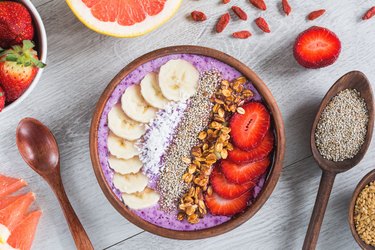
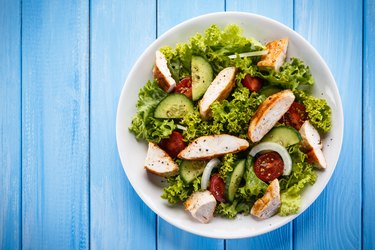
Eat a diet rich in fruits, vegetables, whole grains, lean protein sources and modest amounts of healthy fat. If you feel that certain foods or additives exacerbate your symptoms of ADHD, increase the amount of natural, fresh foods you consume on a regular basis and limit or avoid sugary and overly processed foods. To determine whether a specific food or ingredient is problematic for you, discuss your concerns with your doctor. In some cases, an elimination diet that excludes potential triggers from your diet temporarily, can help clarify whether your symptoms are diet-related. Be sure to seek your doctor's approval and guidance prior to making dietary or lifestyle changes.


