




















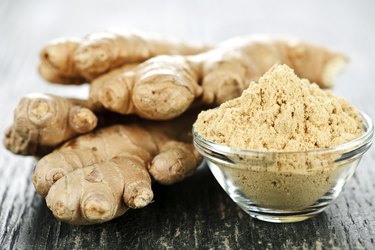






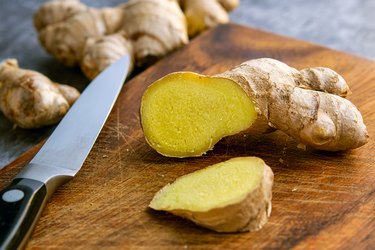


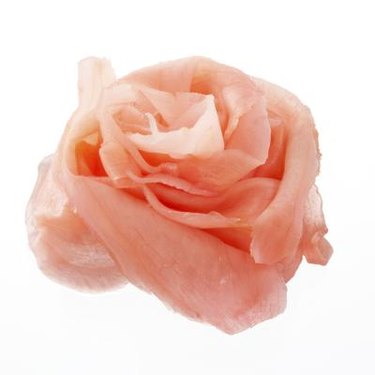






If you're curious about which medicinal plants have curative properties for cold and flu, look no further than the gnarled, tan roots in the bin of your local market. Ginger has been used for thousands of years to treat symptoms of cold and flu. Ginger comes in a variety of consumable forms, from fresh root to powdered spice, and can easily be integrated into your teas, soups and other methods of at-home care.
History of Ginger
Ginger originated in the damp, fertile soil of Asia, where it's been used to flavor food for more than 4,000 years. The rhizome of the ginger plant, often called the ginger root, has been used for medicinal purposes in Asia and India, as well as in Arabic countries, since ancient times, according to the University of Maryland Medical Center (UMMC). As a treatment, ginger is most closely associated as a remedy for nausea, vomiting and other gastrointestinal complaints. However, it's also used to treat the common cold and symptoms of the flu.
Adult Use
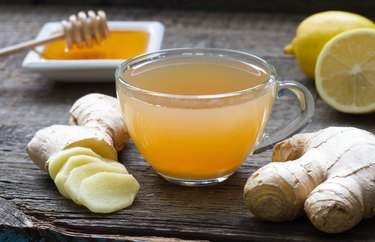
The UMMC states that to treat cold and flu symptoms in adults, steep 2 tbsp. of freshly shredded or chopped ginger root in hot water, two to three times a day. Alternately, you can add a drop of ginger oil or a few slices of fresh ginger root to steaming water and inhale it. If consuming ginger in capsule or powdered form, intake should be limited to 4 g each day. The UMMC states that food sources, such as ginger snaps and real ginger ale, generally contain 0.5 percent ginger or less. If purchasing ginger, make sure it's 100 percent pure, advises Dr. Andrew Weil, integrative physician.
Cautions
Ginger should not be given to children under the age of 2, cautions the UMMC. Weil suggests using half of the adult dose of ginger if treating children. The UMMC states that these people should consult a doctor before using a ginger treatment: those with gallstones or bleeding disorders; people who are about to have surgery or go under anesthesia; and those taking blood-thinning medications, including aspirin.
Ginger Tea Recipe
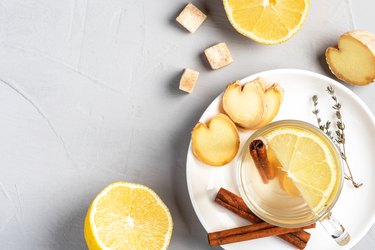
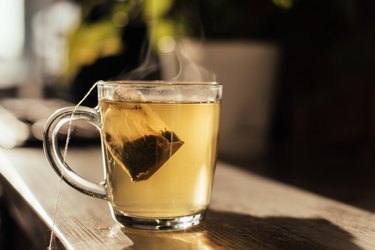
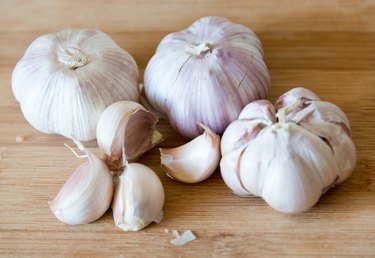
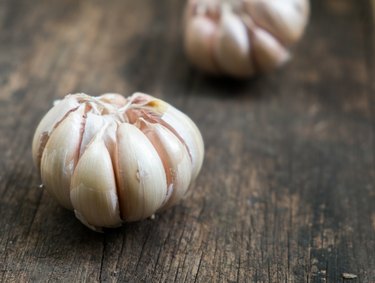
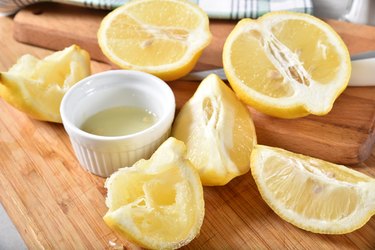
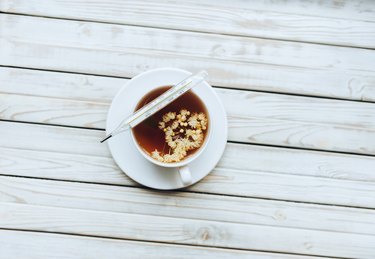
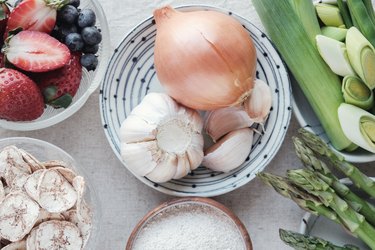
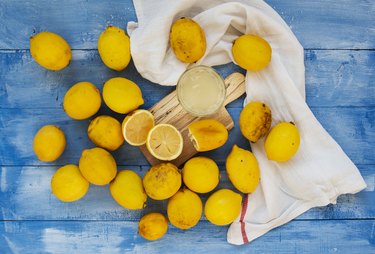
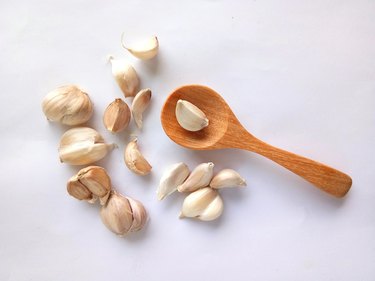
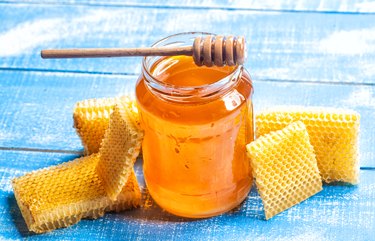
For cold relief, Weil suggests steeping a tastier ginger tea. He advises grating a 1/2-inch piece of ginger root and adding it to 2 cups of boiling water. Turn down the heat and simmer for 5 minutes. Add 1/2 tsp. cayenne pepper; simmer another minute. After taking the tea off the stove, add 2 tbsp. lemon juice (fresh) and one to two cloves of mashed garlic. Add honey to taste. Let the tea cool slightly, pour it through a stainer and serve.
Considerations
Ginger can be helpful for your cold or flu, as long as you don't overdo it; when consumed in excess, the UMMC points out that you may get heartburn, diarrhea and mouth irritation. Ginger is generally considered a safe treatment, but along with unpleasant side effects, it may contraindicate with other medications, herbs and supplements. The UMMC advises using ginger and other herbal treatments after consulting with a physician who specializes in botanical medicine.


