











































What Is Red Clover Good For?

What Is Red Clover Good For?
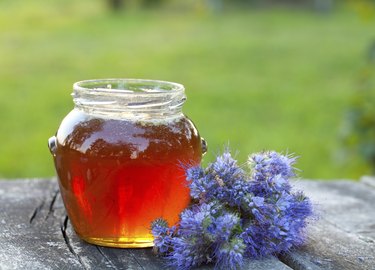
Photo Credit red clover image by Lee O"Dell from Fotolia.com

Red clover is a wild perennial, which means that its life span exceeds two years. Red clover grows wild in meadows throughout Europe, Asia and Northern America. Farmers use it for grazing and as a tool in soil rotation. Perhaps more significant, however, is red clover's reputation in the health care arena as a medicinal herb.

History

For centuries, physicians and apothecaries have used the dried, crushed petals of red clover to treat a variety of ailments, from leprosy to gout. It was used to help the body produce urine to flush impurities, generate bile to cleanse the blood, and as an expectorant to help clear the lungs.

Nutritional Content

Red clover is rich in nutrients such as calcium, selenium, iron, thiamine, vitamin C, potassium, phosphorus, niacin, magnesium and chromium. Tocopherol, a form of vitamin E, provides an antioxidant property. Red clover is also a high source of isoflavones, which are chemicals found in plants that mimic some of the actions of estrogen in mammals. Isoflavones of this type are also known as phytoestrogens.

Medicinal Uses

Red clover is often used to treat menopausal symptoms, although the American Cancer Society notes that studies have shown conflicting results. Red clover may slow bone loss and encourage bone mineral density in women prior to menopause. Isoflavones may also help prevent certain cancers, such as prostatic or endometrial cancer. Red clover is also used to treat certain PMS symptoms, such as breast pain, and used externally to treat rashes such as eczema and psoriasis.

Precautions

Red clover contains chemicals that mimic estrogen and, therefore, may contribute to the growth of certain malignancies such as breast cancer. In addition, red clover may increase the effects of estrogen in women who are taking hormone replacement therapy or birth control pills. Check with your physician before taking red clover with any prescribed medication.

Agricultural Uses

Red clover has benefits that extend into agriculture. One vital contribution is through a process called symbiotic nitrogen fixation. Microorganisms living in the roots of the clover absorb nitrogen from the air and provide it to the plant, which ultimately increases the soil's fertility.

References

Article reviewed by Jessica Thompson Last updated on: May 2, 2010

Must see: Photo Galleries

Member Comments