






















When you are eating for two, you begin to examine every item you consume to ensure it will benefit your baby's healthy development. One such food you may question is the use of artificial sweeteners, such as aspartame (NutraSweet) and sucralose (Splenda). Because artificial sweeteners are found in many foods and drinks, it's important to understand how their consumption may affect your baby.
The Basics
Artificial sweeteners were invented to provide an alternative to sugar. Because excess consumption of sugar has been linked with tooth decay, nutritional deficiencies, diabetes, heart disease and obesity, artificial sweeteners arrived as a low-calorie alternative to sugar, according to the U.S. Department of Agriculture.
Types
Several artificial sweeteners are available on the retail market in 2010, according to Pregnancy Today. These include aspartame, which includes brand names Equal and NutraSweet, both of which are estimated to be up to 220 times sweeter than sugar. Sucralose is sold under the brand name Splenda, which is estimated to be 600 times sweeter than sugar, according to Pregnancy Today. Acesulfame potassium can be purchased under brand names Sunett, Sweet One and Ace-K and is estimated to be 200 times sweeter than sugar. If used in moderation, this sweetener is safe for consumption during pregnancy. Saccharin is sold under brand names Sweet and Low, Sugar Twin and Necta Sweet. Stevioside, also sold as Stevia, is 200 to 300 times sweeter than sugar and is currently only approved as a supplement--not a sweetener--in America.
Effects
Some sweeteners may be safe to use during pregnancy, as long as they are consumed in moderation. Aspartame may not be considered safe for pregnant women, who can be at risk for a condition known as hyper-phenylalanine, phenylalanine being the active ingredient in the sweetener, according to KidsHealth.org. Sucralose is generally considered to be safe for consumption, both during pregnancy and while breastfeeding, according to Pregnancy Today.
Warning
Saccharin is one sweetener that may not be suitable for use during pregnancy, according to the American Pregnancy Association. Saccharin has been linked with a number of harmful side effects and has been shown to cause cancer in lab animals. When ingested by pregnant women, saccharin may cross the placenta and adversely affect your baby. Another product, known as cyclamates, also has been linked to cancer and has been banned in the United States since 1969, according to Pregnancy Today.
Prevention/Solution
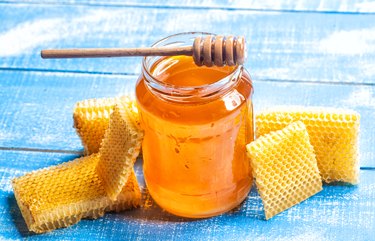
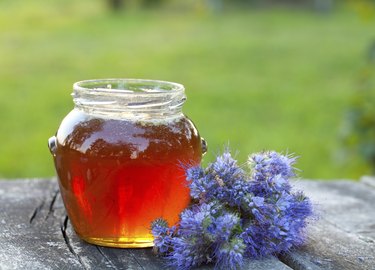
In addition to using approved artificial sweeteners only in moderation, you also can consider using natural sweeteners to enhance your food's taste. These include honey and fresh fruit juice. Other options include molasses and fruit jam. Of course, in a pinch, there's always the use of real sugar itself. Just remember that it is higher in calories and can result in blood sugar spikes for you and your baby, and can leave you feeling lethargic.
References
- American Pregnancy Association: Using Artificial Sweeteners During Pregnancy
- BabyCenter.com: Is It Safe to Use Artificial Sweeteners During Pregnancy?
- United States Department of Agriculture: Artificial Sweeteners
- Pregnancy Today: Sugar Substitutes During Pregnancy
- KidsHealth.org: Are Artificial Sweeteners OK to Consume During Pregnancy?


Member Comments