








































Depression refers to numerous illnesses that involve negative emotions, such as loneliness, purposelessness and sadness, that interfere with a person's usual life. According to the National Institute of Mental Health, the most common forms are major depression, characterized by severe depressive emotions, and dysthymia, during which moods are less severe but last longer. Certain foods may help prevent or alleviate depression symptoms, while others may exacerbate them. For best results, a doctor's guidance is recommended.
Helpful Foods
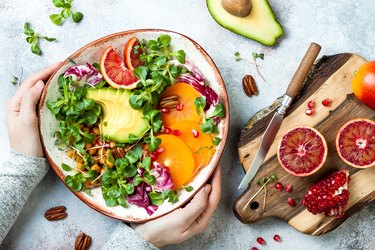
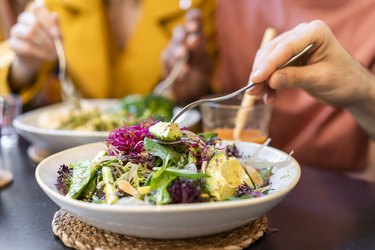
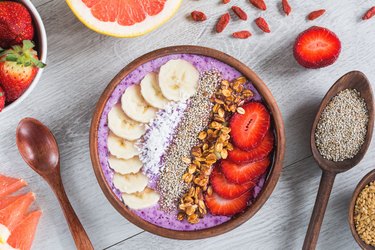
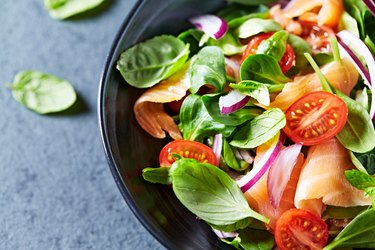
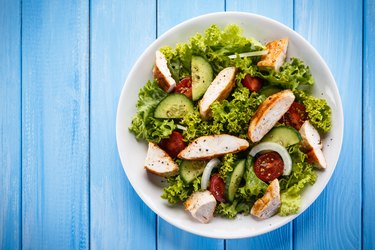
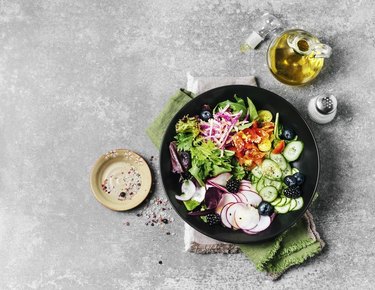
A nutrient-rich diet may help prevent or reduce the severity of depressive symptoms in people who experience recurrent symptoms. According to women's health expert Christiane Northrup, M.D., foods rich in omega-3 fatty acids, essential fats found in coldwater fish, flaxseed, canola oil and walnuts, support healthy brain and nerve function and may help alleviate depression. Foods rich in vitamin B 12 and B 6 may also prove helpful. Lean poultry, meat, fish, low-fat dairy products, whole grains and vitamin-fortified bread, cereals and beverages are rich sources of these and other nutrients. Fruits and vegetables are also recommended, as they provide valuable vitamins, minerals and antioxidant, or disease-fighting, nutrients.
Harmful Foods
Refined carbohydrates found in enriched bread, processed snack foods and added sugars may exacerbate symptoms of depression. Northrup suggests replacing processed carbohydrates with whole-grain equivalents as an important step toward managing depression. Trans fats and saturated fats are associated with poor heart health and unhealthy weight gain and are present in numerous processed foods. Replacing these fats with healthier alternatives, such as omega-3 fats, may also prove helpful in improving emotional wellness. Excessive caffeine and alcohol consumption are also discouraged, as they are known to disturb mood balance and exacerbate depression.
Potential Risks
A diet deficient in healthy foods or calories may increase a person's risk for depression and dampen physical wellness. According to research published in "Pharmacology Biochemistry and Behavior" in May 2007, animals who consume calorie-restricted diets experience reduced mood balance and cognitive abilities. Researchers believe the same is true for people, particularly those prone to depression due to family or personal history and those who have endured traumatic life events. Replacing doctor-prescribed medications and other depression treatment programs with food or nutrition-related therapies may also pose serious risks, since a healthy diet is not known to "cure" depression, but to support recovery and emotional wellness.
Effectiveness
The specific impact of particular foods on depression has not been pinpointed. However, the University of Maryland Medical Center suggests a nutrient-rich, balanced diet as a useful step toward managing and preventing symptoms of depression. People who make healthy lifestyle changes often experience reduced severity of depressive symptoms and reap additional benefits, such as improved physical wellness and reduced risk for other illnesses and infections. Since people with depression often exhibit reduced self-esteem, self-nurturing with healthy foods may prove helpful in elevating self-esteem. According to Northrup, a healthy diet may also prove effective in improving sleep habits, weight management and energy levels in people with depression.
Suggestions
A healthy diet based on nutrient-rich foods, such as fruits, vegetables, whole grains, lean protein sources and healthy fats is considered beneficial toward preventing or reducing depression in some people. Northrup recommends that people with depression consume protein with every meal, which may come in the form of salmon, tofu, lean poultry, low-fat dairy or soy products or legumes. A variety of nutrient-rich foods is suggested for the broadest nutritional benefits. Dietary supplementation may be required for people unable to reap sufficient nutrients in food form. People who suspect they have depression should not self-diagnose or attempt to treat their condition through dietary or other measures, but should seek guidance from a qualified expert.


