







The common cold is caused by a virus that creates symptoms that include nasal congestion, sneezing, a runny nose, post nasal drip, sore throat and a decreased appetite. Chapped lips and the associated cracking and scaling of the lips and surrounding skin are caused by insufficient moisture. Chapping tends to be common in the winter months anyhow, but when colds strike chapping becomes even more serious. Lips can dry to the point that they bleed, and they can become infected. Although there are no cures for the common cold, there are treatments and interventions that will help remedy the chapped lips that inevitably accompany your cold.
Cause
When you have a cold your nasal pathways are congested, so you breathe through your mouth. This constant flow of air back and forth across your lips dehydrates your lips and the tissues surrounding them. The chapping is exacerbated when you lick or otherwise inadvertently expose your lips to saliva. Saliva contains digestive enzymes that irritate and inflame your already sensitive, chapped lips.
Symptoms
When the skin in and around your lips dehydrates, the upper dermis becomes cracked and flaky. Raw tissues under the dermis can become exposed. These lesions can bleed easily, and become vulnerable to infection. When an infection forms, crust with some underlying pus appears on the lips. Cold sores may develop around the lips, appearing as small blisters that itch and burn.
Medication
The best treatment is prevention. When the symptoms of your cold first appear, start applying a lip balm to your lips frequently through out the day. Use a moisturizing lip balm if chapping has already started. If chapping persists, apply medicated commercial lip balms that protect, moisturize and treat the sensitive skin. If the chapping still worsens or persists, use gentle emollients such as Vaseline. Apply generously and often. If you develop cold sores, use an antiviral cream. Decongestants that enhance your ability to breathe through your nose will help alleviate the dehydrating effect of your constant mouth breathing.
Further Lip Protection
Limit exposing your lips to air, dryness, cold and wind. Cover your lips with a scarf if you go outside. Monitor and limit your lip licking and biting to avoid dehydration and exposure to saliva. Do not use flavored lip balms as this may cause inadvertent lip licking.
Hydrate
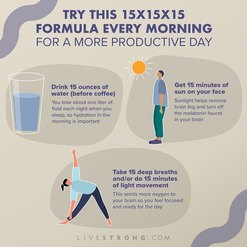
Keep yourself well hydrated by drinking plenty of fluids. Drink a glass of water every couple of hours. Avoid beverages that cause dehydration such as coffee, alcohol and carbonated sodas.
You can also minimize dehydration of your lips caused by evaporation by humidifying your home. Cold viruses thrive in dry conditions according to Mayo Clinic, so when you use a humidifier it will also minimize your cold symptoms. It will reduce the dryness and inflammation of your nasal passageways, which in turn will minimize your mouth breathing and expedite breathing through your nose.


Member Comments