






















Herbal Healing

Herbal Healing
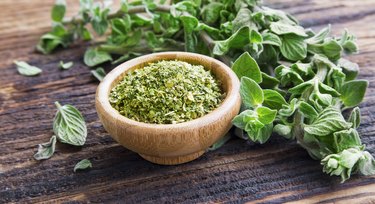
Photo Credit Medicinal herbs - Lavandula Officinalis image by Shirley Hirst from Fotolia.com

Herbal healing has long been a fundamental practice of nearly every culture, inspiring systems such as traditional Chinese medicine and Indian Ayurvedic medicine. In North America, medicinal uses for native plants were handed down by the Native Americans through rituals and oral customs. Today, modern herbalism incorporates the wisdom from all traditions, offering a variety of healing methods that range from complex, energetic medicine to simple herbal teas. However, before using herbs to treat any condition, talk to a doctor.

Aromatherapy

The practice of aromatherapy is at least 6,000 years old. The Egyptians used fragrant plant oils for many aspects of their daily lives. Aromatherapy, simply put, is the use of aromatic compounds---usually essential oils---to improve mood and brain function. Essential oils are extracted from plant leaves, stems, bark and other plant materials through a process called steam distillation. They can be used in baths or massage, and can also be dispersed into the air through the use of essential oil diffusers.

There are a variety of popular essential oils for aromatherapy, but most notable are lavender and peppermint. A study published in "Community Dentistry and Oral Epidemiology" found that lavender aromatherapy significantly reduced anxiety in dental patients. In addition, a psychological study conducted by Wheeling Jesuit University researchers showed that the smell of peppermint was correlated with increased performance on tasks and a heightened ability to focus.

Infusions

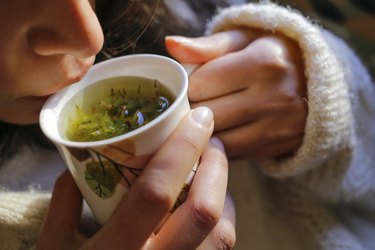
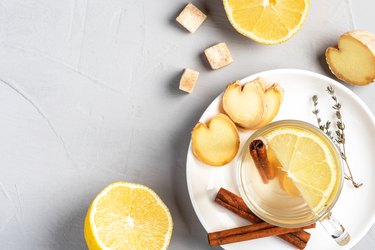
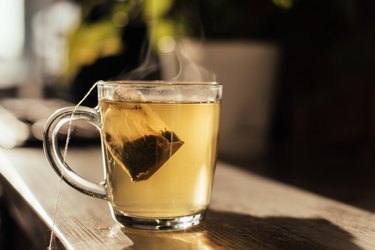
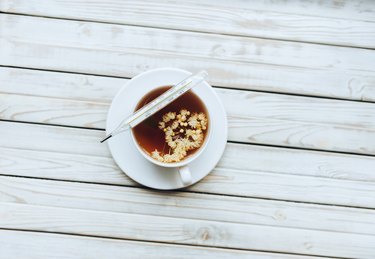
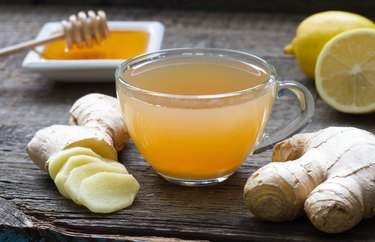
Herbal infusions are often called teas, but there is a distinction between the two. All teas actually come from the tea plant, known as Camellia sinensis. Thus, when the leaves of this plant are steeped in hot water, the resulting beverage is called tea. However, when an herb is prepared in the same manner as tea, the resulting brew is more accurately referred to as an infusion.

Infusions are not always meant for drinking. In herbal remedies, infusions are often added to baths or used as washes for wounds. Always research the recommended dosage of herbs to use in infusions, especially if they are being ingested.

Decoction

A decoction is simply a more forceful treatment than an infusion. Often, tougher parts of plants such as bark, roots and berries need more heat to fully extract their medicinal properties. The plant parts are usually simmered in water, and then strained with cheesecloth. The resulting liquid can be used hot or cold.

Bach Flower Remedies

Dr. Edward Bach, born in 1886, was a British physician who researched the healing properties of flowers. He created the 38 Bach Flower Remedies, which are made through the infusion of wildflowers in spring water. One of the most popular of these flower remedies is Bach Rescue Remedy, which is said to be helpful for emotional support. Although few studies exist that examine Bach flower remedies as a treatment for pain and psychological problems, the remedies are probably safe, says "BMC Complementary and Alternative Medicine."

Considerations

Always consult a health-care professional before using herbs or essential oils. As with all medicines, herbal remedies should be stored safely away from children.

References

Article reviewed by GlennK Last updated on: Aug 14, 2010

Must see: Photo Galleries

Member Comments