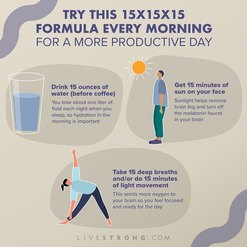








Water is an essential part of all life on this planet. The human body is composed of between 55 and 78 percent water, depending on the body size. You have probably heard that you need to drink eight glasses of water per day; however, you may not understand why water is so important. Water is a fundamental part of biochemical reactions in your cells, organs, muscles and brain. Not drinking enough water can have some serious consequences, whether or not you are on a diet.
Prevents Dehydration
Being thirsty is a sign of dehydration. It is your body's way of telling you it needs more fluids. When you do not have enough water in your body, minerals become imbalanced and cell functions become impaired. Dehydration can lead to headaches, fatigue, dizziness, mental confusion, increased heart rate and breathing, dry mouth and constipation, according to the University of Maryland Medical Center. Keeping up with your fluid needs, or drinking water before you feel thirsty, can help prevent dehydration.
Enhances Calorie Burn
Drinking water may actually help increase the amount of calories you burn. A study led by Michael Boschmann and published in the "Journal of Clinical Endocrinology and Metabolism" in December 2003, studied the calorie-burning effects of water. The researchers found that drinking 500 ml, or half a liter, of water increased the subjects' metabolic rate. The overall effects are minimal, as you only burn a few extra calories with water intake. However, if you are counting calories, every little bit helps.
Moves Fiber Along
Many diets include foods that are high in fiber, which need water to move properly through the digestive tract. Fiber, or roughage, includes all parts of plant foods that your body cannot digest. This roughage passes through your digestive system, effectively helping the body to get rid of wastes and toxins. Soluble fiber, as opposed to insoluble fiber, can even help lower your cholesterol levels, according to MayoClinic.com. However, if you are eating foods high in fiber but not drinking enough water, food cannot pass through the system, and constipation can result.
Flushes Toxins
In addition to helping move waste through your system, water is essential for flushing out toxins from the body, according to MayoClinic.com. Every day, your liver and kidneys process different compounds that can be harmful to your body. The kidneys pass these out through urine, some compounds pass through stool and others are excreted through sweat. All three of these processes require water. Freedrinkingwater.com states that if the kidneys are not provided enough water, some of their detoxifying functions will be passed on to the liver. When the liver is overworked, it cannot metabolize fats as efficiently. Those fats can then be stored in your body.
Supports Exercise
If your doctor has you on a diet, he may also have you on an exercise plan. You may not realize how important water is to your exercise regimen. Water carries nutrients to your cells and makes up a large part of your blood. Red blood cells are responsible for bringing oxygen to the cells of your body, a process that speeds up when you are exercising. You will also be excreting water through sweat, making it essential to replace the lost fluids by drinking more water. If you are dehydrated, it can cause your heart rate and breathing to increase in an attempt by your body to get nutrients and oxygen to your cells. Keeping a water bottle with you while exercising may be helpful. It may also be beneficial to drink plenty of water before exercising, particularly if the weather is hot and humid.
Water Intake
With all of this information, you may be wondering just how much water you need to drink. According to MayoClinic.com, there are several theories of proper hydration. You can replace the amount of fluid you secrete in a day--the average urine output for an adult is 1.5 liters. You can also follow the "eight by eight" rule, which is to consume eight, 8 ounce glasses of water per day. The final approach you can follow is from the Institute of Medicine of the National Academies. According to their report, you can consume 3.7 liters of water if you are male, and 2.7 liters of water if you are female. Talk to your doctor about how much water is right for you.


Member Comments