






Caffeine is a central nervous stimulant that offers temporary relief of fatigue, improves concentration and increases wakefulness, notes MayoClinic.com. However, caffeine is an addictive substance that comes with potential withdrawal symptoms. Moderate caffeine intake is not necessarily harmful, yet Merck Source notes that regardless of length of time using caffeine or quantity used per day, some people are more susceptible to experiencing withdrawal symptoms within 12 to 24 hours after cessation of use. The common symptoms of withdrawal include headache, fatigue and drowsiness. Severe withdrawal symptoms also include nausea and muscle pain. Johns Hopkins Medicine reports that caffeine withdrawal is a recognizable disorder that can be avoided with precautions in use.
Step 1
Cut back on your daily intake of caffeine. Drink 1 less cup of coffee or soda a day for one week. The next week cut back again by two or three beverages a day. MayoClinic.com suggests making gradual cut backs to avoid the withdrawal symptoms and help your body get use to the lower levels of caffeine per day.
Step 2
Read labels and learn the caffeine content in foods and beverages you consume regularly. Learn what beverages have the highest caffeine content by reading the labels. St. John Providence Health System notes that on average consuming less than 300 mg of caffeine a day may reduce the occurrence of withdrawal. Make a note of your favorite caffeine containing beverages and the caffeine content to keep track of daily consumption. One 8 oz. cup of plain coffee contains 135 mg of caffeine and 8 oz. of black tea has up to 70 mg. Dark colas have 35 to 55 mg and energy drinks contain 80 to 160 mg per serving.
Step 3
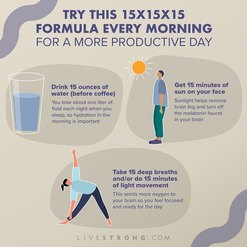
Drink more water between caffeine consumption or as a replacement for caffeinated beverages. Water helps your body stay hydrated, which cuts down on the headaches associated with caffeine withdrawal. Try to drink more water during the day or replace caffeinated beverages with a glass of water to cut down your caffeine consumption. Merck Source suggests drinking at least eight glasses of water daily.
Step 4
Mix decaf with your regular caffeinated coffee. Use decaf coffee mixed with your regular coffee to lower the caffeine concentration. During day time drinking, half your caffeinated beverages with decaf options, or substitute fruit juice. MayoClinic.com notes that brewing tea and coffee for less time will cut down the caffeine content, or use herbal teas that do not have caffeine.
Step 5
Eat less sweets with caffeine. Chocolates, candies and some ice creams contain caffeine. Check the nutrition labels for caffeine content and limit your servings. Try to find tasty treats without caffeine to avoid withdrawal symptoms.
Tips and Warnings
- Check pain reliever labels for caffeine content and buy medicines without high caffeine.
- Do not quit caffeine cold turkey if you consume mass quantities daily. This may result in severe withdrawal symptoms.
Things You'll Need
- Water
- Herbal tea
- Decaf coffee


Member Comments