





























Natural Herbs That Help With OCD

Natural Herbs That Help With OCD
Photo Credit Yagi Studio/Photodisc/Getty Images

Obsessive-compulsive disorder, or OCD, is an anxiety disorder that involves obsessive thoughts and fears that lead to compulsive behaviors. Doctors don't know the exact cause, but stress, genetics or insufficient serotonin in the brain may be risk factors. Conventional treatment may include antidepressants to increase serotonin levels, but OCD is a chronic disorder so treatment aims to relieve the symptoms rather than cure the disease. Herbs that reduce anxiety may help patients cope with OCD. Consult a health care professional before starting herbal therapy and do not stop taking current medication without talking to a doctor.

St. John's Wort

St. John's wort, or Hypericum perforatum, is a perennial herb native to Europe. Traditional healers use the flowers to treat wounds, burns, gastrointestinal problems, backache, anxiety and mild depression. The active ingredient, hyperforin, has antidepressant and anxiolytic properties. A report by P. Zanoli published in the Fall 2004 issue of "CNS Drug Review" determined that hyperforin acts like conventional antidepressants by blocking the re-uptake and increasing the availability of serotonin, norepinephrine, dopamine and GABA, or gamma-aminobutyric acid, which are all neurotransmitters involved in mood regulation. Dr. Linda B. White and Steven Foster recommend St. John's wort for OCD and state that it can take up to six weeks before any benefits are seen. St. John's wort should not be taken with other antidepressants. Discontinue if side effects like stomach irritation, fatigue or photosensitivity occur.

Bergamot

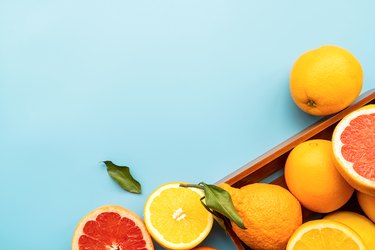
Bergamot, or Citrus bergamia, is a small tree that produces a yellow fruit about the size of an orange. The trees are grown in Italy, France and the Ivory Coast for the essential oil produced from the fruit's peel. Bergamot is anti-inflammatory, antifungal and antiseptic, and traditional healers use it to treat herpes, urinary tract infections, wounds and scars, throat infections, flu and shingles. Dr. Linda B. White and Steven Foster advise using a few drops of the oil in a warm bath for OCD. Aromatherapists Kathi Keville and Mindy Green recommend inhaling the essential oil for compulsive behaviors, stress, depression, anxiety, insomnia and eating disorders. Do not take internally. Bergamot may trigger photosensitivity due to the compound bergapten, but oils without bergapten are available.

Valerian

Valerian, or Valeriana officinales, is a perennial herb native to Europe and Asia, and cultivated throughout the world. Traditional healers use the roots to treat insomnia, anxiety and gastrointestinal problems. Active ingredients include valeric acid, valepotriates and terpenoids, and valerian has sedative and antispasmodic actions. Dr. Linda B. White and Steven Foster recommend valerian tincture or capsules standardized to .5 to .8 percent valeric acid for anxiety associated with OCD. A study by K. Murphy and associates published in the July 2010 issue of "Phytomedicine" tested extracts of whole valerian and valeric acid and found that both reduced anxiety in test animals compared to the placebo. Valerenic acid interacts with brain receptors similar to the way benzodiazepine drugs work. Valerian may cause stomach upset in sensitive individuals. Do not combine valerian with other sedatives or antidepressant.

References

Article reviewed by Lisa Michael Last updated on: Oct 19, 2010

Must see: Photo Galleries

Member Comments