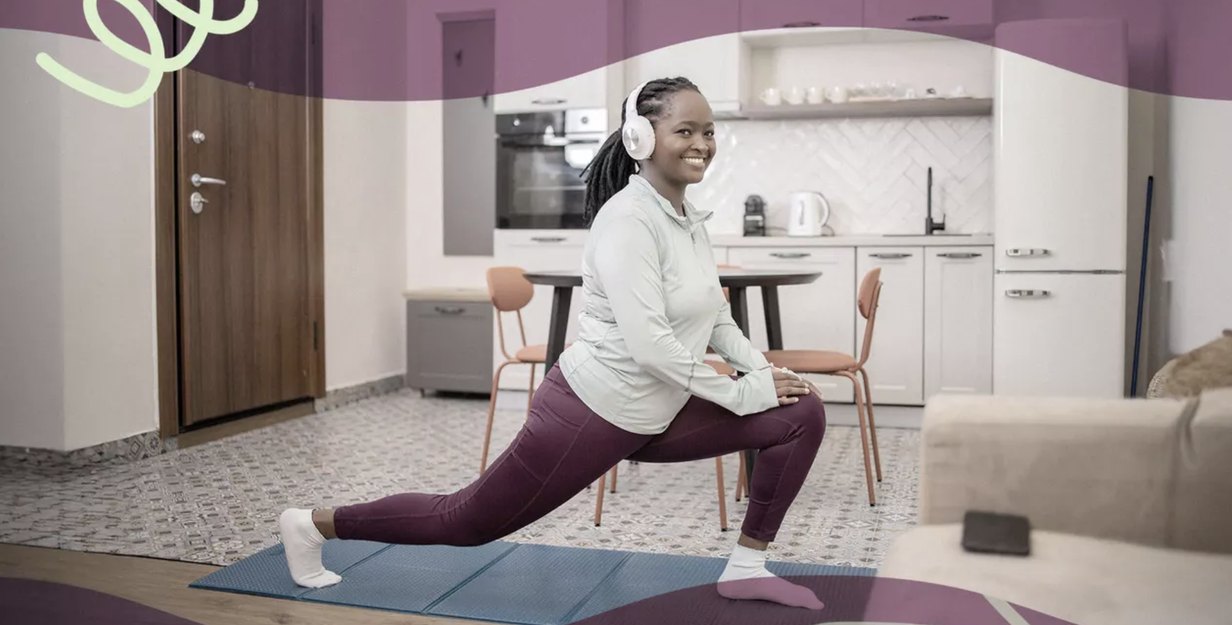





Pregnancy and delivery is going to ask a lot of your body. The healthier you are, the easier these demands will be to deal with. Strong muscles and joints help support the weight of your growing belly and reduce aches and pains. Starting a cardiovascular fitness program will help improve your energy. You'll also build your physical endurance and stamina by strengthening your heart and lungs. You can carry many of these practices with you into your pregnancy and after delivery.
Aerobic Exercise: Building Energy and Fighting Fat
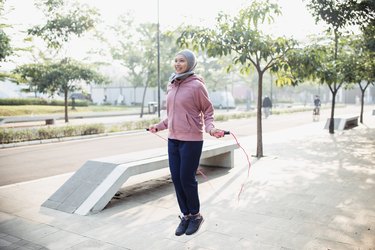
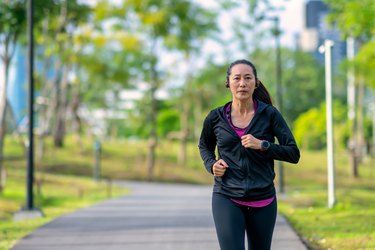
Moderate intensity physical activity will start to build your stamina and endurance. This translates to increased energy during a time commonly plagued by fatigue. Aerobic activity also helps you fight fat, which increases comfort and makes it easier for you to conceive. The American Pregnancy Association recommends swimming and walking as perhaps the two safest and most effective forms of exercise for pregnant women. If you start strong walking, swimming or other fitness programs before you conceive, you'll have the skills and experience to make an easier transition into a pregnancy workout routine.
Muscle Strengthening: You'll Thank Yourself Later
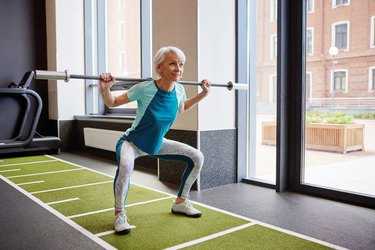
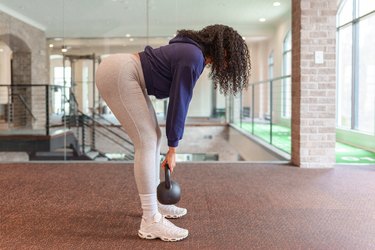
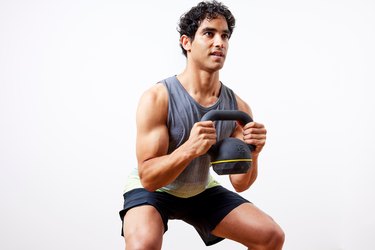
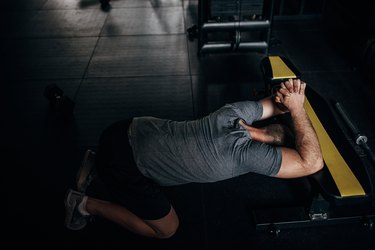
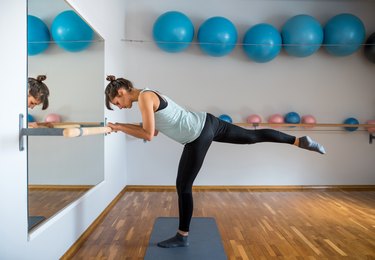
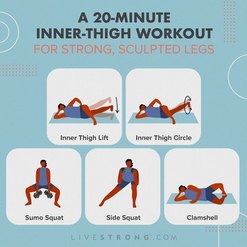
Once your body fluid volume starts increasing and your belly pops out, your joints and muscles will start feeling the strain. If you build strong muscles before you conceive, you'll help build a network of support systems for carrying around the excess weight of a pregnancy. Not only that, but strong back, thigh and core muscles will help you with the demanding process of pushing your baby out during delivery. Perform strength training exercises two to three times per week, rotating major muscle groups, until you become pregnant. After that, lower your intensity by lifting lighter weights with more reps or by switching to yoga, Pilates or other low-impact muscle toning programs.
Yoga and Long Walks: Stress Relief and Fitness Power Duo
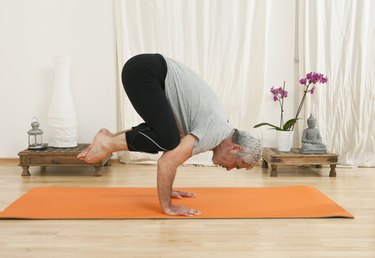
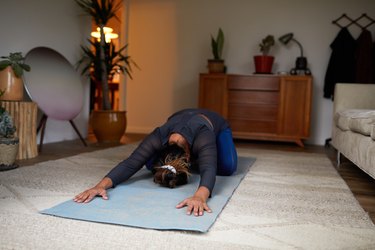
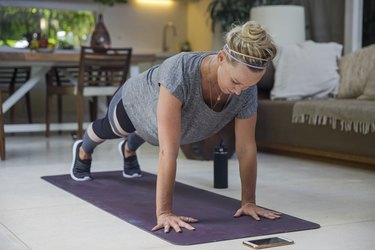
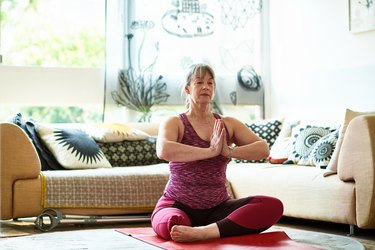
Pregnancy brings with it a lot of changes. For most people, these are happy changes, but the stress of the occasion still takes its toll on your body. Physical activity like long walks and yoga classes help you work your body while also relaxing it and clearing your head. Relaxation may also help you conceive, according to the University of Maryland Medical Center. If you're not sure what exercises to do, these two will help you get your heart rate up, strengthen your muscles and get in the right head space for pregnancy.
Transitioning into Pregnancy: What's Safe?
Under most circumstances, you can continue your exercise routine once you become pregnant. Talk to your doctor about the intensity of your prepregnancy workout program and if you need to make adjustments. Pregnancy isn't the time for strenuous or intense exercise for most women. Aim to keep your heartbeat below 140 beats per minute and your core body temperature below 103 degrees to avoid birth defects and keep enough oxygen in your blood. Skip extreme sports or jarring activities with a lot of sudden movements. Work with a partner or a spot if you decide to try something new.
References
- American Congress of Obstetricians and Gynecologists: Good Health Before Pregnancy
- American Congress of Obstetricians and Gynecologists: Exercise During Pregnancy
- University of Maryland Medical CenterL Preparing for Pregnancy
- BabyCenter: Twenty Things You Should Do Before You Try to Get Pregnant
- FamilyDoctor: Things to Think About Before Getting Pregnant