



























































Valerian Root and Migraines

Valerian Root and Migraines
Photo Credit Jupiterimages/Comstock/Getty Images

A migraine is a severe headache that usually affects the front or one side of the head. Migraine headaches are characterized by throbbing pain, and may be accompanied by nausea and visual disturbances. A number of factors can trigger a migraine, including bright light, noise, stress, certain foods and hormonal fluctuations. If you suffer from migraines, over-the-counter painkillers such as paracetamol or aspirin may alleviate your symptoms. However, your doctor may prescribe stronger medications such as triptans or anti-inflammatory drugs. Some people take the herb valerian to relieve migraine symptoms, although scientific evidence to support its use is limited. Talk to a medical professional before using valerian for migraines.

Characteristics

Valerian, also known as Valeriana officinalis, is a shrub-like plant native to Europe and Asia. It has been used to treat a variety of medical ailments as far back as ancient Rome and Greece. The herb's biological properties may result from a number of constituents, including valepotriates and volatile oils, notes Memorial Sloan-Kettering Cancer Center.

Efficacy

The National Center for Complementary and Alternative Medicine notes that there is not enough evidence to support the use of valerian for any medical condition other than insomnia. However, the website of the Association of Women for the Advancement of Research and Education, notes that valerian may reduce emotional migraine triggers, such as stress and anxiety.

Use

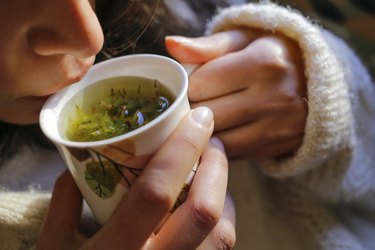
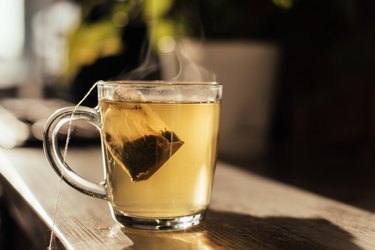
The roots and underground stems of the valerian plant are used to make a variety of herbal supplements, including teas, tinctures, capsules and tablets. The required dose and treatment schedule may vary. Talk to your doctor about the correct dose and treatment plan for you.

Side Effects

Valerian may cause a number of side effects, including upset stomach, fatigue, dizziness and drowsiness. NCCAM notes that short-term use is likely safe for most people, however, long-term use may be associated with hepatotoxicity, although this effect is rare.

Contraindications

Do not drive or operate dangerous machinery after taking valerian, as it may cause drowsiness. Avoid this herb if you are scheduled to undergo surgery, because it may interfere with the action of the anesthetic. Valerian may interact with several other drugs, including barbiturates and benzodiazepines.

References

Article reviewed by Teresa Mullins Last updated on: Dec 10, 2010

Must see: Photo Galleries